

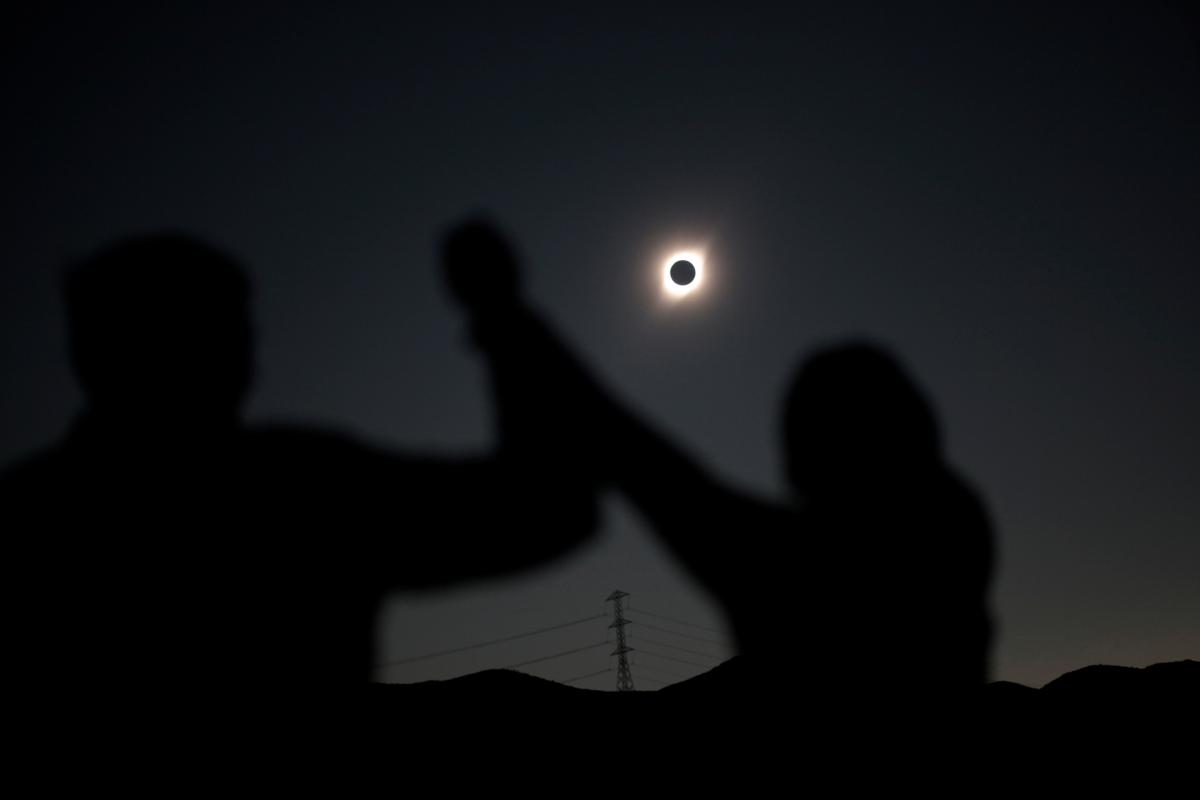
A total solar eclipse dubbed the "eclipse of the century" will sweep across southern Spain, Gibraltar, North Africa and the Middle East on August 2, 2027, plunging parts of the region into daytime darkness for a record 6 minutes and 22 seconds, according to Digital Camera World.
The publication reported that no total eclipse will match that duration again until 2114, making the 2027 event an unusually rare opportunity for skywatchers.
The moon's shadow will travel in a narrow band across the south of Spain and Gibraltar before crossing North Africa and the Middle East. The longest period of darkness will fall on Luxor, the ancient Egyptian capital of the pharaohs on the banks of the Nile, which is already being described as the main focal point of the event.
Why Luxor May Not Be Ideal
Despite Luxor's record duration, experts cited by Digital Camera World cautioned that travelling there may not be the best choice. August temperatures in southern Egypt regularly exceed 40 degrees Celsius, and during the eclipse the sun will sit almost directly overhead, at an angle of 82 degrees.
That combination creates serious practical problems, according to the report: cameras and phones are likely to overheat, and capturing both the darkened sun and Luxor's ancient temples in a single frame will be extremely difficult. Luxor is also expected to see a huge surge of tourists, which could make finding accommodation or space to set up equipment near the monuments difficult.
Experts advised against chasing the longest possible duration if it comes at the cost of comfort. The key, they said, is simply being within the zone of totality, even at its edge, since even 99% coverage of the sun will not produce true darkness, as day will not turn into night.
Alternative Places to Watch
For those seeking more comfortable viewing conditions, Digital Camera World pointed to several other regions along the eclipse path.
- Southern Spain, including Tarifa, Cadiz and Malaga, will see totality lasting from two minutes to almost five minutes, with the sun sitting much lower, at around 38 degrees, allowing views over coastal landscapes and historic towns without extreme heat.
- Morocco, including Tangier, Tetouan and the blue-painted city of Chefchaouen, could see up to five minutes of totality against a backdrop of mountains and traditional architecture.
- In Algeria and Tunisia, coastal areas near Oran and Sfax will get more than five minutes of darkness, while desert travellers could head to the Tozeur oasis or the Sidi Bouhlel canyon, where scenes from "Star Wars" were filmed.
- Within Egypt, alternatives to Luxor include the Siwa oasis in the Western Desert, which will see more than five minutes of darkness, or the temples at Edfu and Esna, where crowds are expected to be much smaller.
Planning Advice
Digital Camera World advised travellers to begin preparing now by booking flights and hotel rooms. The publication's main piece of advice for the day itself was not to spend the brief window of totality fiddling with screens and tripods, but simply to look up and take in the sight.
The Previous Eclipse in 2026
The last total solar eclipse took place on August 12, 2026, when the moon's shadow crossed the north and centre of Spain and touched Portugal, Greenland and Iceland. A partial phase was also visible in Ukraine, best seen in the west of the country, where up to 40% of the sun's disc was obscured. The Shatsk Lakes in the Volyn region saw the strongest effect, at nearly 65%. That eclipse produced only a brief 1 minute and 45 seconds of darkness.


