

Sinkholes can look like spectacular natural wonders, but some are deadly, and the most dangerous can open without warning and swallow entire buildings, according to a report by Discoverwildlife.
Sinkholes form when rock is worn away by water. The publication noted there are several types, but the most dangerous are collapse sinkholes, in which an underground cavity slowly grows until the layer of rock above it suddenly caves in.
Guatemala City Disasters
One of the most tragic cases happened in Guatemala in 2010. During a tropical storm, a vertical sinkhole roughly 90 meters deep opened in the middle of the city. The report said the collapse happened so suddenly that it swallowed a three-story building, killing 15 people.
It was not the first such disaster in the country. A giant sinkhole also opened in Guatemala in 2007, killing three people.
A Deadly Sinkhole Underwater
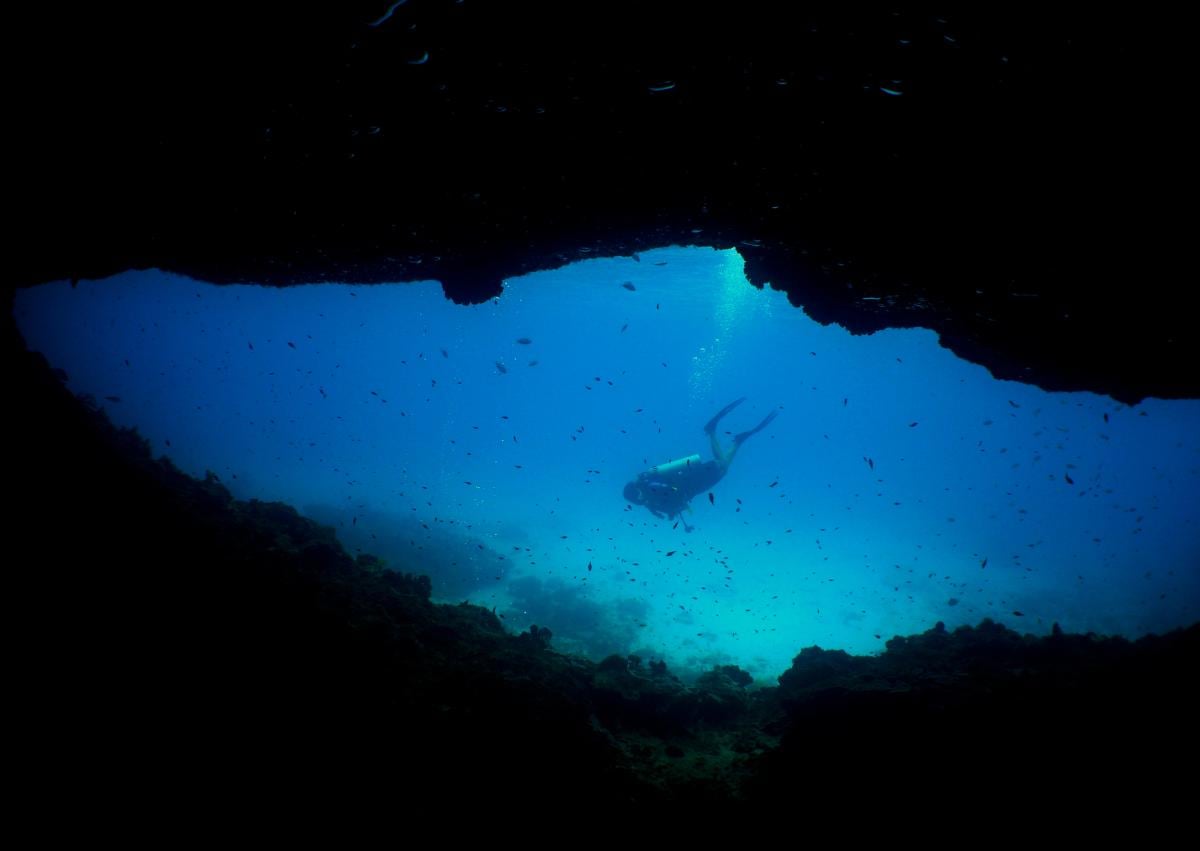
The deadliest sinkhole on Earth, however, lies underwater and has continued to claim lives for years. It is the Blue Hole, a well known site in the Red Sea off the coast of Egypt.
The Blue Hole is a submarine karst sinkhole about 100 meters deep. Estimates vary, but between 130 and 200 divers are believed to have died there, giving it a grim reputation as one of the most dangerous diving sites in the world.
Paradoxically, it is the site's beauty that draws diving enthusiasts, who come to see its coral gardens and abundant marine life.
The main danger lies in a section known as the Arch, an underwater tunnel connecting the Blue Hole to the open sea. Passing through it requires serious preparation, since managing the air supply and following the correct ascent procedure are critical at that depth.
A mistake while diving can have severe consequences, including decompression sickness, the report said.
The World's Largest Sinkhole
Not every giant sinkhole is linked to tragedy. Among the most striking natural formations is Xiaozhai Tiankeng, a giant sinkhole in Chongqing, China.
It reaches a depth of about 660 meters, with a volume estimated at around 130 million cubic meters, making it the largest and one of the deepest known karst sinkholes on the planet.


