

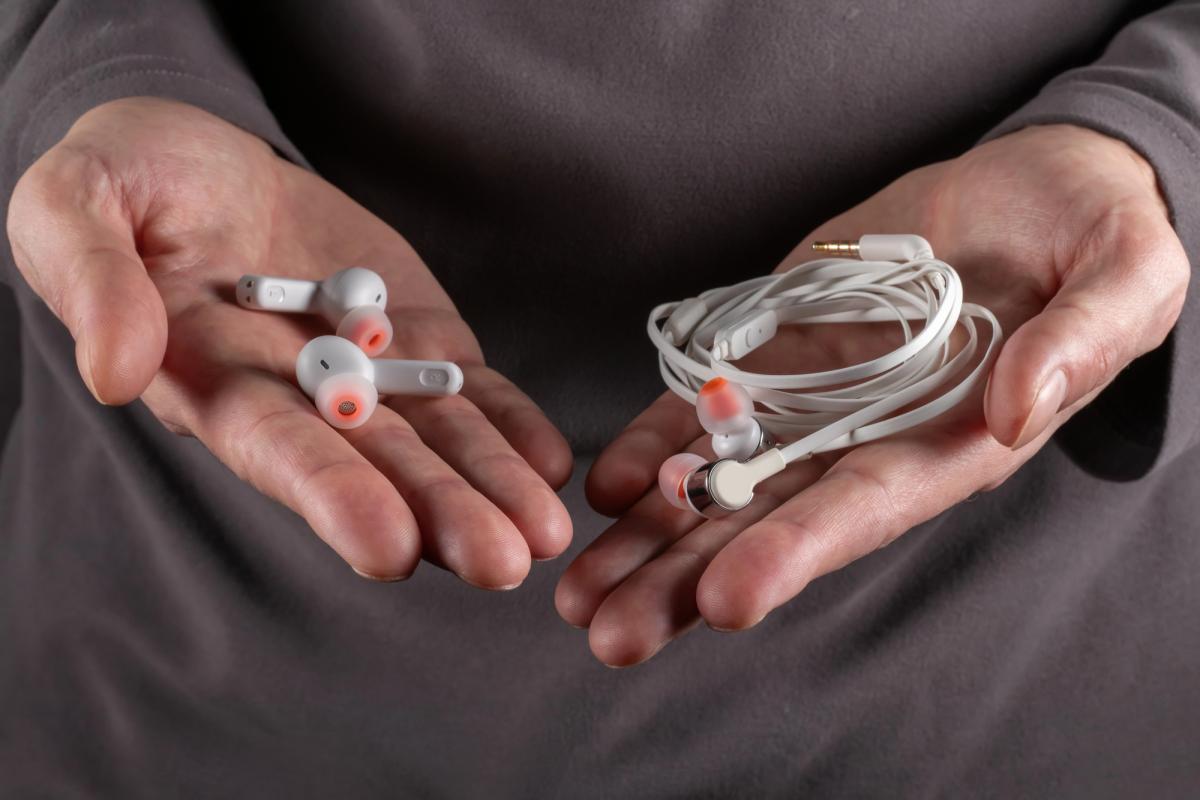
Consumers are returning to wired headphones due to practical advantages over wireless Bluetooth models, according to Polish technology publication Antyweb.pl.
The shift extends beyond retro fashion or temporary interest among Generation Z consumers. Technology portal Antyweb.pl reported that cabled models offer distinct operational benefits that wireless alternatives cannot match.
Wireless Bluetooth headphones replaced cabled devices as standard smartphone accessories over recent years. Their cable-free design, compact charging cases, and quick phone connections made them popular with millions of users. However, they also introduced several daily inconveniences.
Bluetooth technology relies on short-range radio signals to stream audio between mobile devices and wireless accessories. While convenient, this wireless connection requires built-in batteries and specialized processing hardware inside each earpiece.
Battery reliability and device longevity
The most immediate advantage of wired headphones is that they never need charging. Users simply plug the cable into a smartphone port to start playing music immediately.
In contrast, wireless headphone owners must constantly monitor power levels for both the individual earbuds and the charging case. If the battery drains unexpectedly, even high-end wireless models become completely unusable.
The absence of an internal battery also extends the working life of cabled models. Lithium-ion batteries in wireless earbuds naturally degrade after repeated charge cycles, whereas wired headphones avoid battery degradation entirely.
Simplified design and connection stability
Wired headphones feature a simpler internal design because they lack wireless communication electronics. Users do not need to pair devices, search through Bluetooth menus, or troubleshoot sudden connection dropouts.
Antyweb.pl noted that direct cable connections are particularly valuable in situations where connection stability is critical. Plugging in the physical cable ensures the device works right away.
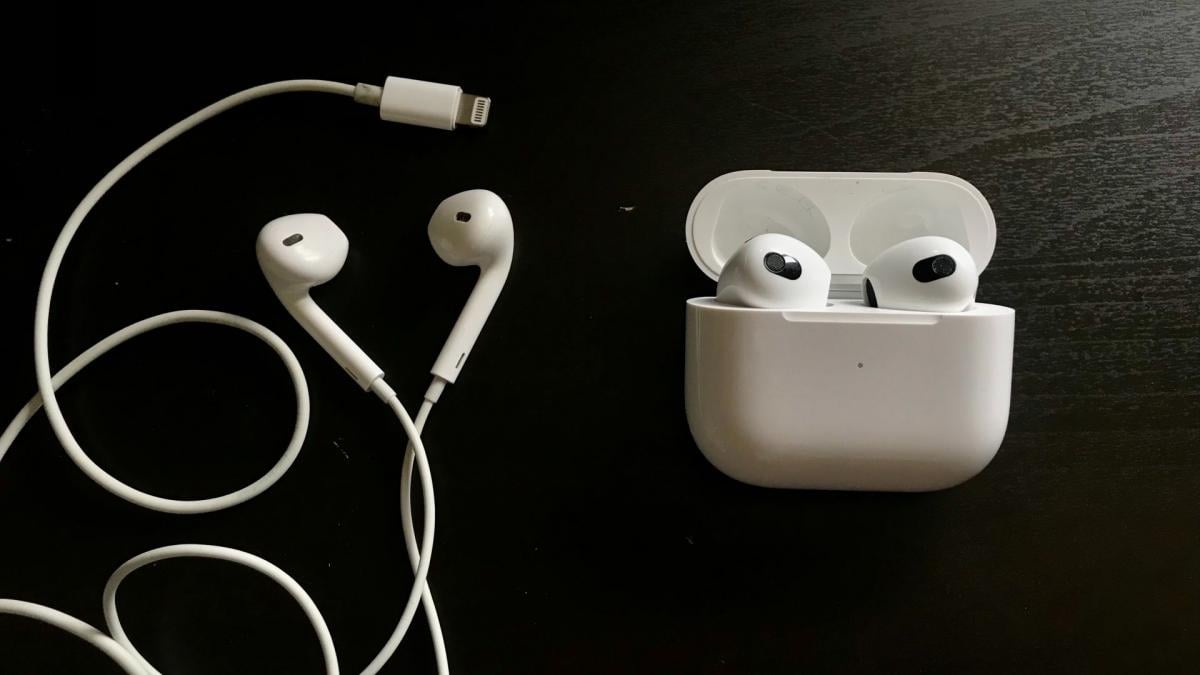
Bluetooth connections can suffer from signal interference or pairing errors when operating near other electronic devices. Eliminating the wireless layer removes those technical points of failure.
Cost efficiency and audio transmission
Pricing represents another significant advantage for wired audio equipment. Wireless headphones require extra components such as rechargeable batteries, Bluetooth modules, and power management circuits, which increase manufacturing costs.
As a result, consumers can purchase cabled headphones offering decent sound quality for a relatively low price of $30 to $50. Antyweb.pl stated that while cheap wired models do not automatically outperform wireless rivals, cabled options frequently deliver superior value for money.
Wired connections also provide technical benefits for audio playback. Sound signals do not require digital encoding through Bluetooth codecs or wireless transmission before reaching the listener.
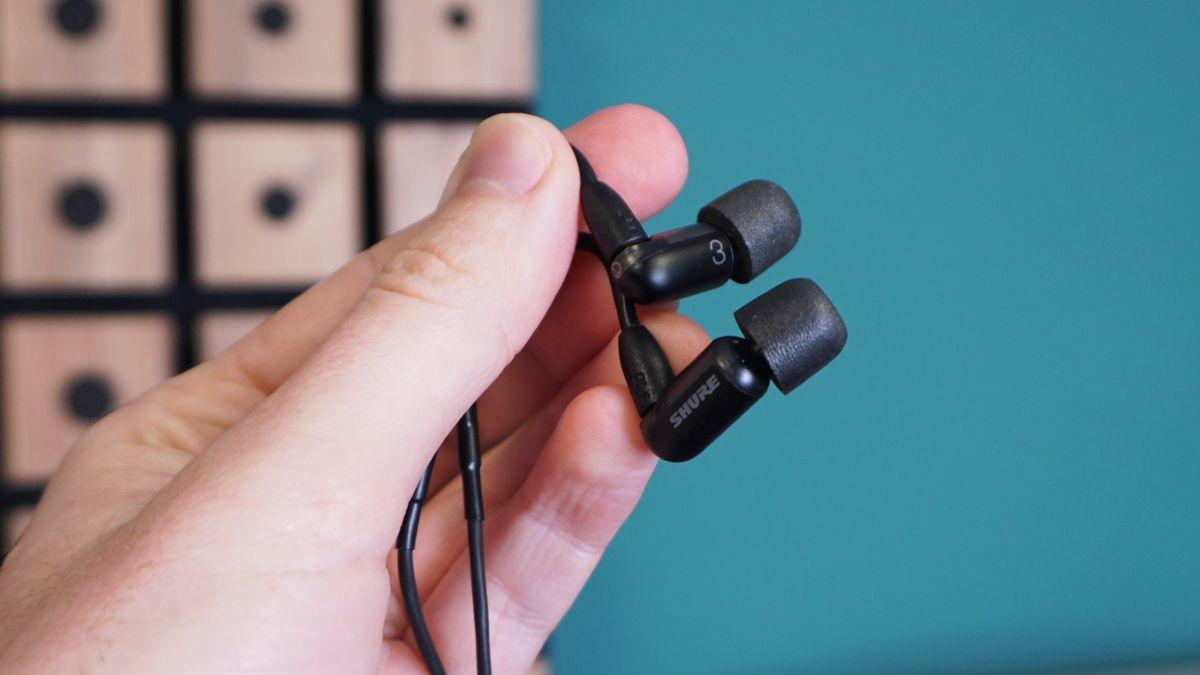
Audio codecs are digital compression algorithms, such as AAC or aptX, used to package audio data for wireless transfer. Direct cable transmission bypasses this compression, allowing a more direct path from the audio source to the speaker drivers.
However, Antyweb.pl cautioned that cabled headphones do not automatically guarantee superior sound quality. Final audio output depends primarily on the quality of the internal speakers, the acoustic construction of the ear cups, and the source device.
Modern compatibility challenges and market context
The primary drawback of returning to cabled audio involves compatibility with modern smartphones. Most contemporary mobile devices no longer feature a standard 3.5 mm mini-jack audio port.
The 3.5 mm jack was a universal analog audio standard for decades before smartphone manufacturers began removing it to save internal space. Consequently, users connecting cabled headphones to modern phones often must purchase an adapter, typically a USB-C to mini-jack converter.
USB-C is a universal digital connector standard now used across modern mobile devices for charging, data transfer, and audio output.
The resurgence in wired audio arrives as major technology manufacturers continue updating their wireless product lines. American technology company Apple Inc. plans to announce a new generation of basic wireless AirPods next month.
The upcoming launch will update Apple's entry-level AirPods lineup, which last received a refresh in 2024. AirPods are Apple's brand of wireless Bluetooth earbuds first introduced in 2016.
Industry experts recently conducted tests on hundreds of full-sized over-ear headphones to identify the top six models available. Testers emphasized that buyers selecting full-sized models should evaluate battery life, wearing comfort, and codec support alongside audio quality.


