

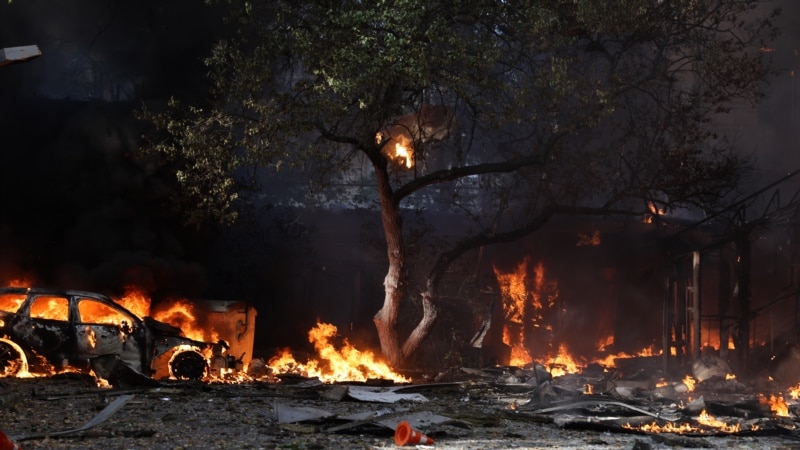
A child was killed and three people were rescued from the debris of a destroyed private house in Vyshhorod following a Russian missile and drone attack across Kyiv Oblast.
Emergency workers pulled a man with head injuries, a woman with leg wounds, and a child suffering from an acute stress reaction from the wreckage of the home. Rescuers subsequently discovered the body of another child beneath the rubble and worked to extricate the victim, according to Timur Tkachenko, head of the Kyiv Regional Military Administration.
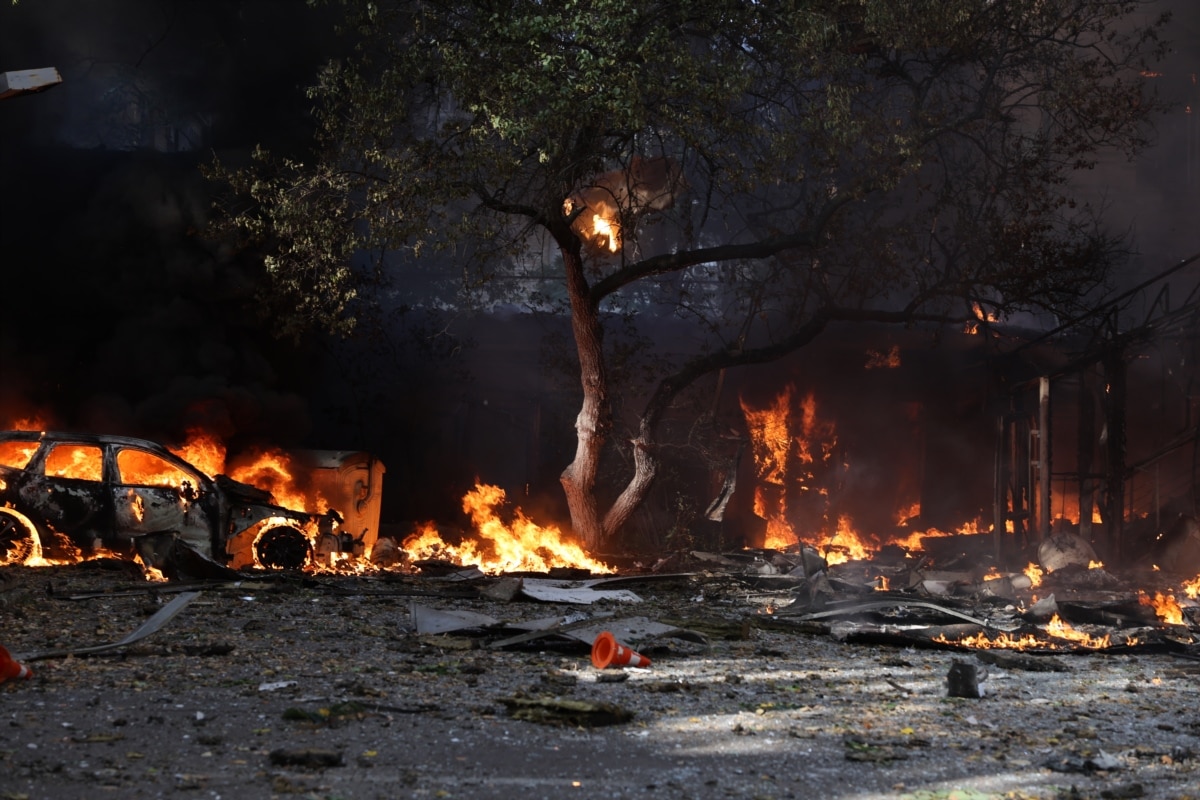
Tkachenko reported the casualties and widespread destruction in a statement published on his Telegram channel. He confirmed that all three surviving victims were receiving necessary medical treatment following their rescue.
The strike caused severe damage across Vyshhorod District, located in northern Ukraine along the Dnieper River just north of Kyiv. Multiple private residential homes were damaged or destroyed in the area, while fires broke out in a residential building and neighboring garages.
Damage reported across multiple districts
The bombardment affected several administrative areas within Kyiv Oblast, which surrounds the Ukrainian capital. In Bucha District, located to the west of Kyiv, incoming munitions damaged three private homes, 11 automobiles, and two commercial warehouse structures, triggering a fire.
Tkachenko added that the consequences of the attack were also documented at infrastructure facilities located across Bucha, Vyshhorod, and Obukhiv districts. Obukhiv District lies south of the capital along the Dnieper River.
The Kyiv Regional Military Administration serves as the official governing body coordinating civil defense, emergency response, and public safety across the province during state of emergency and wartime operations.
Regular strikes on civilian targets
Russian forces regularly attack Ukrainian cities and civilian infrastructure across all regions of the country using a wide array of weaponry. These attacks involve strike unmanned aerial vehicles, missiles, guided aerial bombs, and multiple launch rocket systems.
Ukrainian authorities and international organizations classify these systematic strikes on civilian areas as war crimes committed by the Russian Federation, emphasizing that the targeting of civilian infrastructure is intentional.
Legal experts, genocide researchers, and human rights defenders state that attacks on life support systems and healthcare facilities are designed to deprive civilians of electricity, heating, water supply, communications, and medical assistance, constituting evidence of genocidal actions.
Legal standards and genocide convention
Human rights advocates and legal scholars report that Russia has committed actions during the full scale war that meet the legal definitions of genocide. They cite explicit public statements by Russian leadership denying the existence of Ukrainians as an ethnic group, public calls for the destruction of Ukrainians, and targeted bombardment of critical civil utilities.
Rights groups also document the deliberate persecution of pro-Ukrainian residents in occupied regions, the targeting of educators and cultural figures, the restructuring of educational systems to alter children's identity, the forced deportation of unaccompanied children to Russia, and the destruction of Ukrainian literature and museum artifacts.
The United Nations General Assembly adopted the Convention on the Prevention and Punishment of the Crime of Genocide in 1948. The international treaty, which currently has 149 state parties, obligates member nations to prevent and punish genocidal acts in both wartime and peacetime. The convention defines genocide as acts committed with the intent to destroy, in whole or in part, a national, ethnic, racial, or religious group.
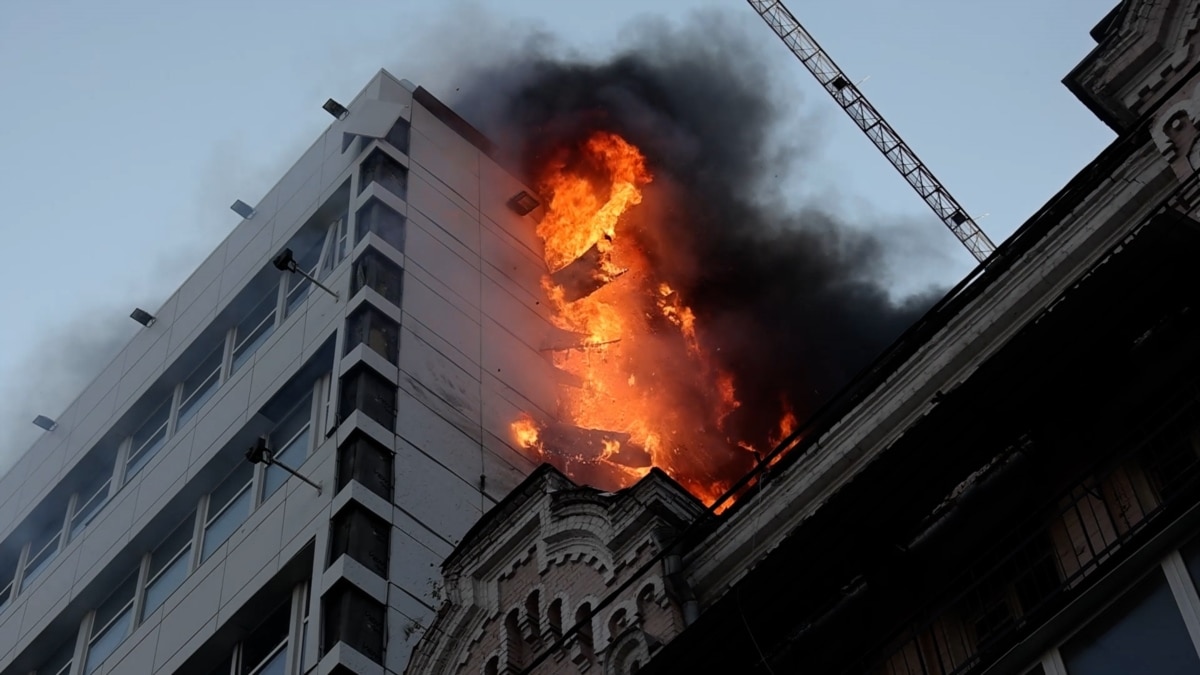
The leadership of the Russian Federation denies that its military targets civilian infrastructure or civilians in Ukraine. Russian officials maintain that their forces do not conduct intentional strikes on residential housing, hospitals, schools, or public utility networks.


