


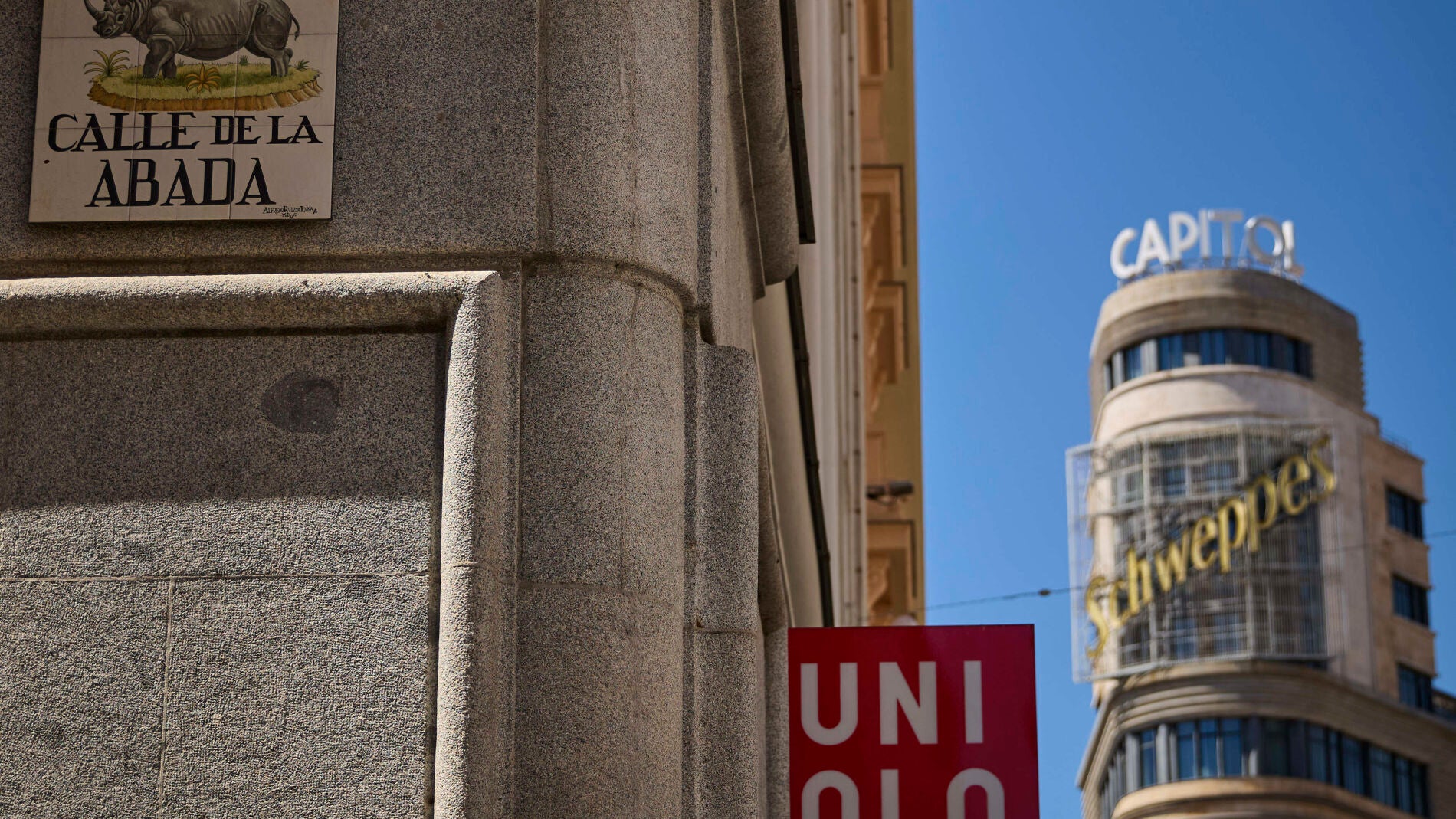
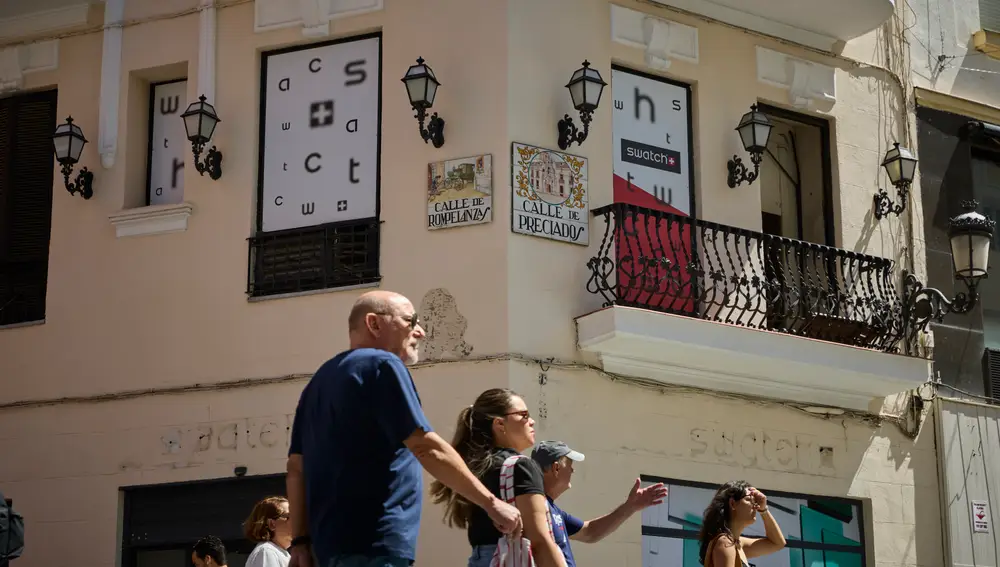
A new book collecting 130 street chronicles by the late journalist and food critic Victor de la Serna has been published by La Esfera, offering a historical journey through Madrid written in dialogue with the classic work of city chronicler Pedro de Repide.
The volume, titled Las calles de Madrid, compiles pieces written by De la Serna during the final three years of his life, updating Repide's landmark guide to the Spanish capital across several decades.
Speaking in an interview with Spanish newspaper La Razon, the author's daughter, Cecilia de la Serna Sandoval, said the book is neither an aseptic catalog nor a traditional encyclopedic work. She described the collection as a journey through time that updates what Repide previously wrote about the city's changing neighborhoods and taverns.
Family connection to historic chronicler
Pedro de Repide served as the first official chronicler of Madrid after being appointed to the role in the 1920s. His detailed street by street documentation of the capital became a standard reference work on Madrid's history and urban folklore.
Cecilia de la Serna Sandoval said a distant family connection existed between her father and Repide, although the exact relationship was never established due to extended family complexities. She noted that Repide died without descendants, but her family frequently spoke of Uncle Pedro at home.
International career and return to Spain
De la Serna was born in Madrid but spent extensive periods of his life living abroad at a time when long term international residence was uncommon for Spanish journalists. He studied at Columbia University in New York, becoming the first Spanish journalist to graduate from the institution.
Following his studies, De la Serna worked as a New York correspondent for the Spanish newspaper Informaciones. His daughter recalled that his youth in Switzerland and the United States made him a lifelong defender of democracy and civil liberties.
When De la Serna returned to Madrid in 1978 during Spain's transition to democracy, he found a city and country opening up to the world. Cecilia said her father valued Madrid for its openness to other cultures, observing its transformation into a multicultural capital comparable to New York.
Gastronomy as a cultural pillar
Throughout his career, De la Serna used gastronomy as a primary framework for exploring the social and cultural identity of Madrid's neighborhoods. For more than four decades, he wrote restaurant reviews under the pseudonym Fernando Point, a pen name chosen in homage to French chef Fernand Point.
His daughter said her father chronicled the city through its restaurants for 40 years, guiding generations of readers toward new dining spots. She noted that he was among the first journalists to write in the press about chef Dabiz Munoz, who later achieved global acclaim with his three Michelin starred restaurant DiverXO in Madrid.
Cecilia de la Serna Sandoval emphasized that her father viewed gastronomy and restaurants as intimately linked to Madrid's cultural identity, establishing food writing as a key element of cultural reporting.
Modernization and neighborhood identity
The rapid transformation of Madrid brought a sense of melancholy to De la Serna's writings when iconic spots closed. His daughter recalled that while he felt saddened by the loss of traditional neighborhood identity, he also supported urban progress, innovation, and the opening of new venues.
Although the book covers streets across various parts of the city, De la Serna maintained a lifelong attachment to Chamberi, the traditional central Madrid neighborhood where he was born.
Cecilia de la Serna Sandoval suggested that readers approach the book non sequentially, describing the experience as akin to taking an aimless stroll through Madrid and discovering unexpected places along the way.


