

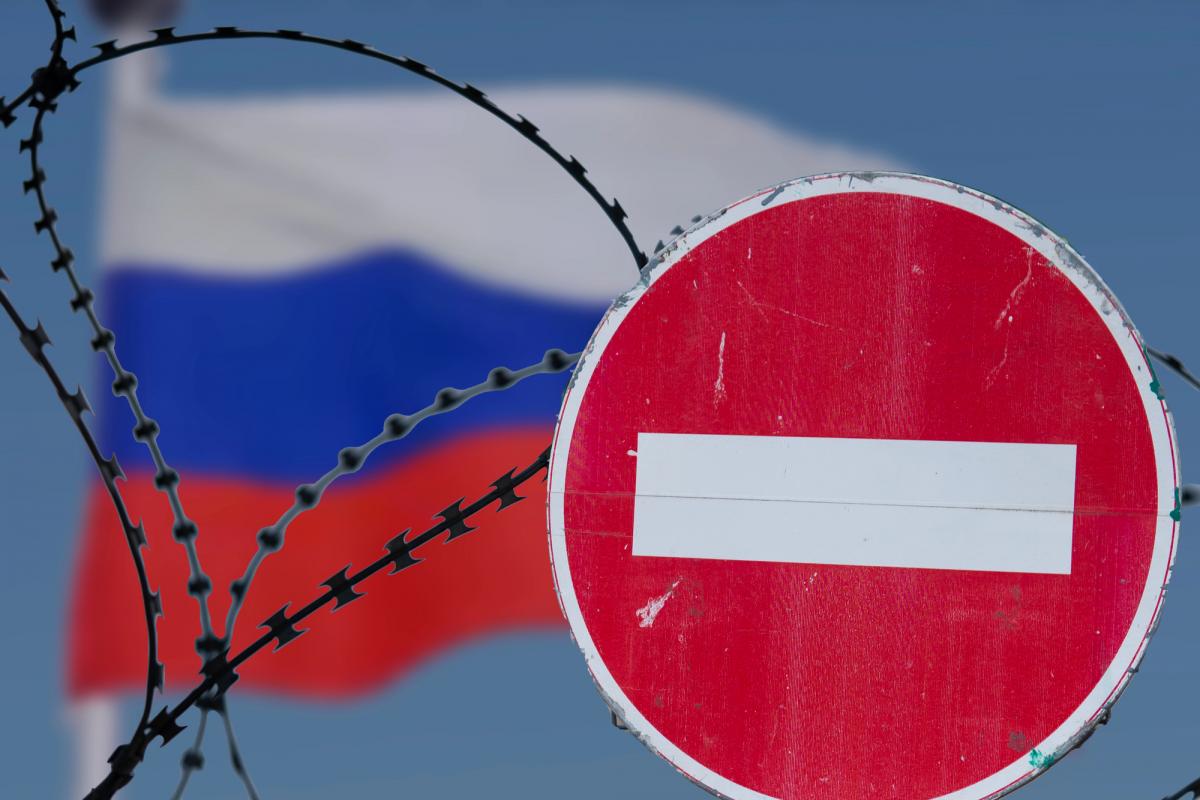
The United States Senate voted 86 to 11 on Friday, August 7, to pass a bill sponsored by the late Senator Lindsey Graham that imposes new sanctions and tariffs on Russia. Senate colleagues passed the legislation as a final tribute to Graham, who sought allies worldwide to defend American interests and support freedom. The measure aims to increase economic pressure on Moscow to end its brutal invasion of Ukraine.
Russian President Vladimir Putin finances his war through energy export revenues. Under the bill, the president of the United States can set tariffs of up to 100% on the five countries that import the most Russian oil and gas, as well as five countries that help Putin bypass oil sanctions. The legislation targets major energy buyers, including China and India, to reduce their dependence on Russian fuel.
The measure also allows United States authorities to set tariffs of up to 500% on imports coming directly from Russia. Although the volume of Russian imports into the United States remains small, it grew following the arrival of Donald Trump in office.
Sanctions targets and tariff limits
Beyond energy tariffs, the legislation imposes sanctions on Russia's shadow fleet, which Moscow uses for illegal oil exports and other maritime crimes. The sanctions also target Russian political and military figures, oligarchs, energy projects, state-owned enterprises, financial institutions, and foreign supporters of the Kremlin's defense-industrial base.
The Wall Street Journal reported that questions remain over whether granting the White House additional tariff powers is appropriate, noting that Trump previously abused trade authority against United States allies, damaging alliances and the economy. Concerns were raised over whether Trump could expand the tariffs beyond pressuring Putin to stop shelling Ukraine. However, the bill includes limits specifying that tariffs should not be imposed if a country buys less than 15% of Russia's total annual gas export volume, provided it takes significant steps to abandon Russian energy.
Senator Raphael Warnock of Georgia expressed concern that Trump might maintain tariffs even after a country changes its behavior. In a letter sent to Warnock on Thursday, United States Trade Representative Jamieson Greer stated that he would have no legal basis to apply tariffs not provided for by law.
House vote and Ukrainian response
Trump has been reluctant to increase pressure on Russia to end the war, but the legislation will force him to take action. Ukraine understands that Putin will not agree to peace until he feels pain, which is why Ukrainian forces carry out long-range strikes against military and energy targets inside Russia.
The Senate passed the bill with strong bipartisan support before its summer recess. The House of Representatives is scheduled to gather on Monday, August 10, for a short extraordinary session during which lawmakers may consider the bill. The Wall Street Journal expressed hope that Putin will not quickly forget Graham's name.
Ukrainian President Volodymyr Zelenskyy thanked the United States Senate for supporting the bill, saying its passage helps increase pressure on the aggressor to end the crazy Russian war against Ukraine. Zelenskyy stated that Ukraine values all bipartisan support from the American people, adding that strong American pressure and sanctions are what will help the most.


