


The United States Department of Defense has launched a technology modernization program selecting specialized contractor Teledyne FLIR OEM to supply next-generation night vision sensors for military aircraft and weapons. The strategic effort aims to maintain tactical superiority for American troops operating in low-visibility battlefields.
Under the plan, the Pentagon is moving to replace current battlefield night vision equipment with significantly lighter and more affordable components. The military selected Oregon-based Teledyne FLIR OEM to manufacture small-pixel thermal architectures that decrease camera physical volume while preserving high image resolution.
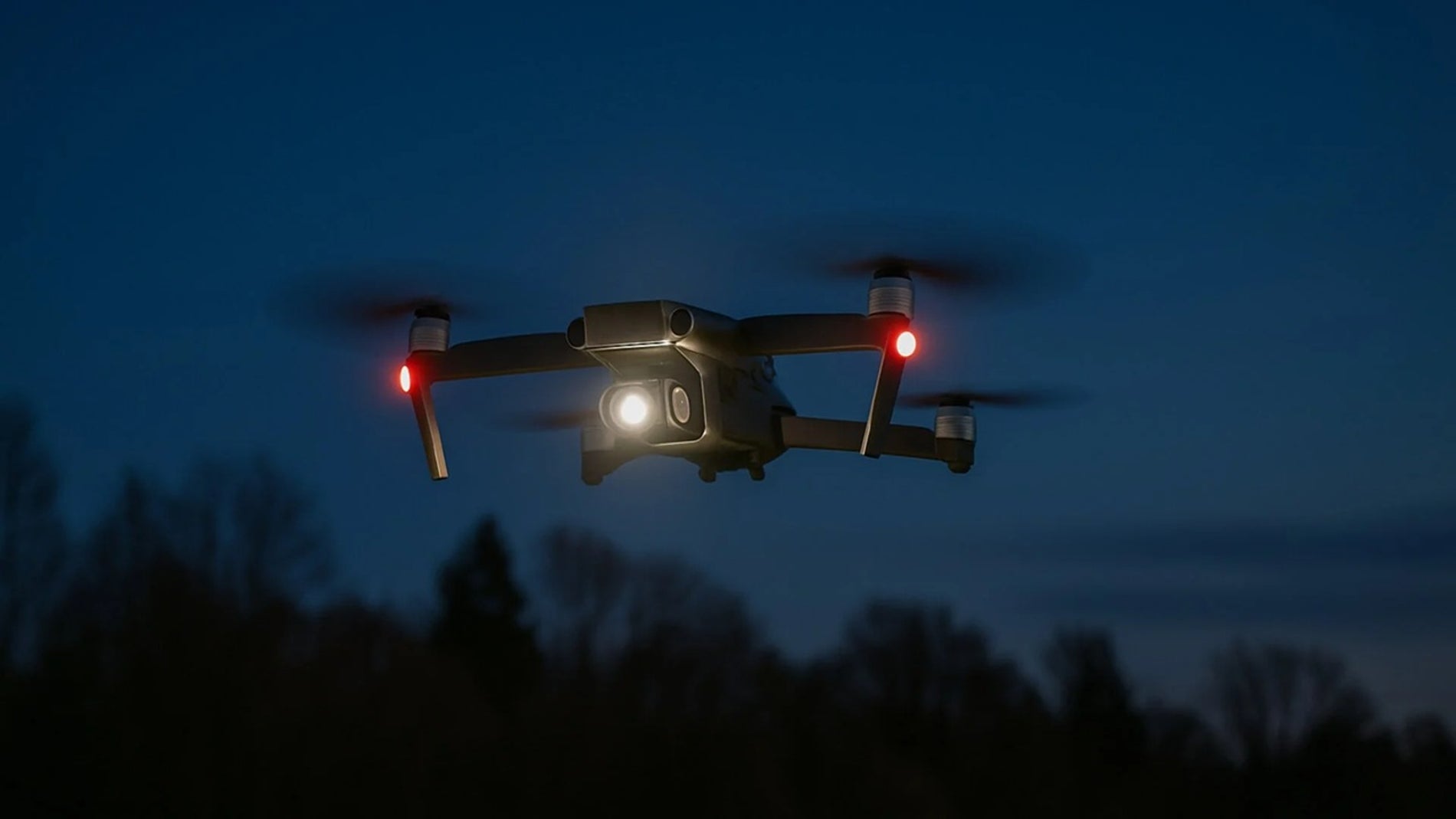
The effort forms part of the DUTCH initiative, a United States Army program created to speed up the rollout of advanced infrared sensors. According to tech news outlet Interesting Engineering, the main goal of the project is to maximize sensor performance while reducing physical size, weight, power consumption, and production cost.
Mass Production and Drone Integration
Slashing component costs and hardware dimensions will allow defense manufacturers to produce thermal sensors on a massive scale within the United States. Military plans require thousands of sensors in the short term to supply expanding fleets of uncrewed aerial vehicles and loitering munitions.
The compact microsensors will be built directly into autonomous aircraft and loitering weapons, providing exact thermal vision to spot camouflaged enemy targets in total darkness. Ground infantry units will also receive the technology through lighter, more manageable thermal scopes and binoculars for nighttime foot patrols.
Domestic Defense Industry and Geopolitics
Teledyne FLIR OEM specializes in thermal imaging cameras and sensors that detect infrared radiation emitted by heat sources rather than visible light. Small-pixel sensor architecture reduces physical housing constraints, allowing military hardware designers to fit high-definition thermal optics onto smaller combat platforms.
Beyond immediate battlefield advantages, the United States Department of Defense designed the program to fortify a resilient domestic defense manufacturing base. Pentagon officials aim to eliminate reliance on foreign suppliers for sensitive military hardware during periods of heightened international tension.
Teledyne FLIR OEM will guide the technical integration of these thermal systems into existing and future military platforms. The availability of low-cost, high-performance infrared cameras will transform how modern armed forces execute surveillance, tactical reconnaissance, and precision strikes in hostile environments.


