

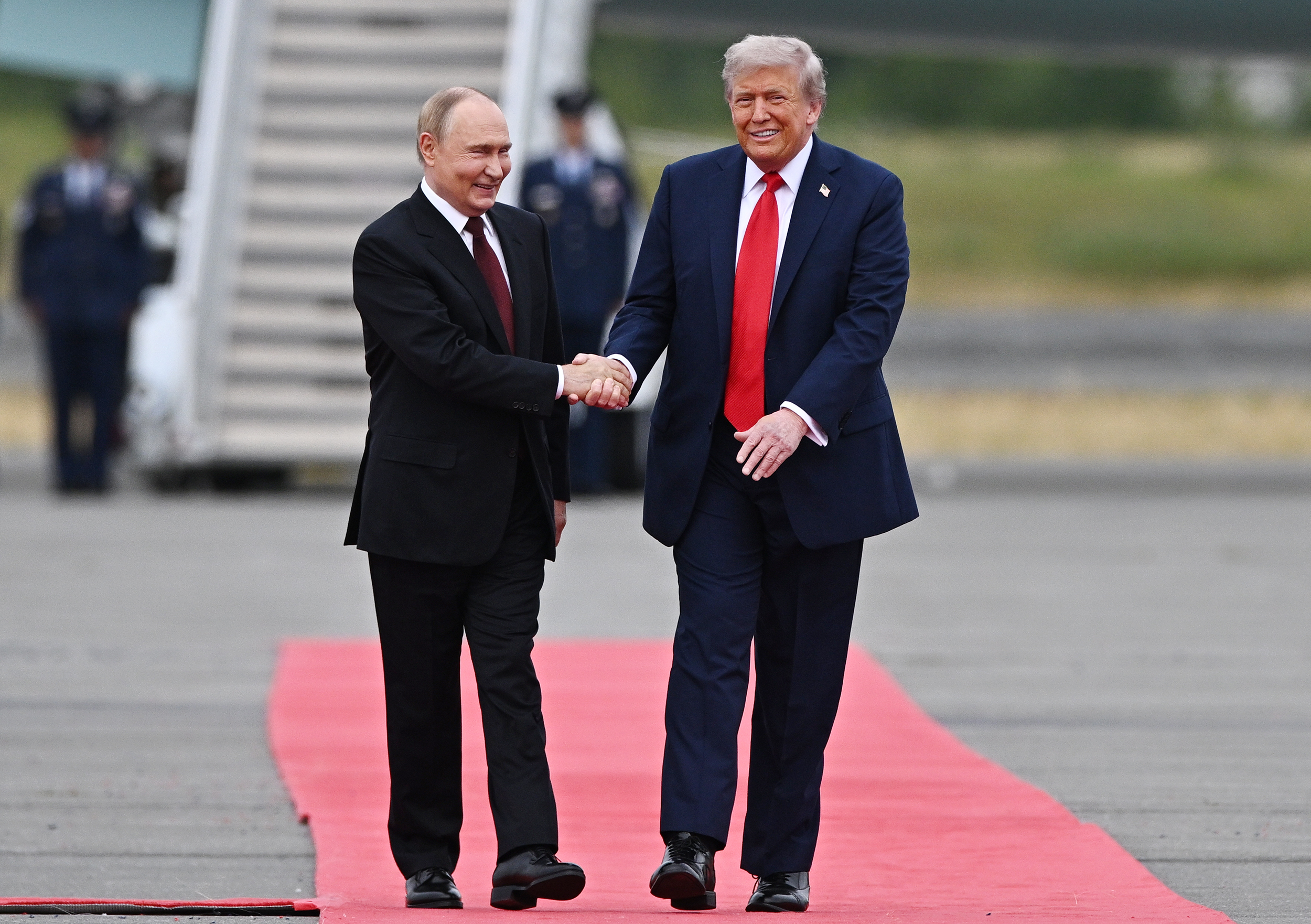
Rodney Mims Cook Jr., chairman of the U.S. Commission of Fine Arts, said his trip to Russia's St. Petersburg International Economic Forum in June was meant to revive cultural exchange between Moscow and Washington and to quietly test whether that exchange could help produce a truce in Ukraine. In an interview with the Russian outlet Lenta.ru, Cook said he proposed linking a possible ceasefire to a performance by conductor Valery Gergiev and a Russian symphony orchestra at Carnegie Hall in New York.
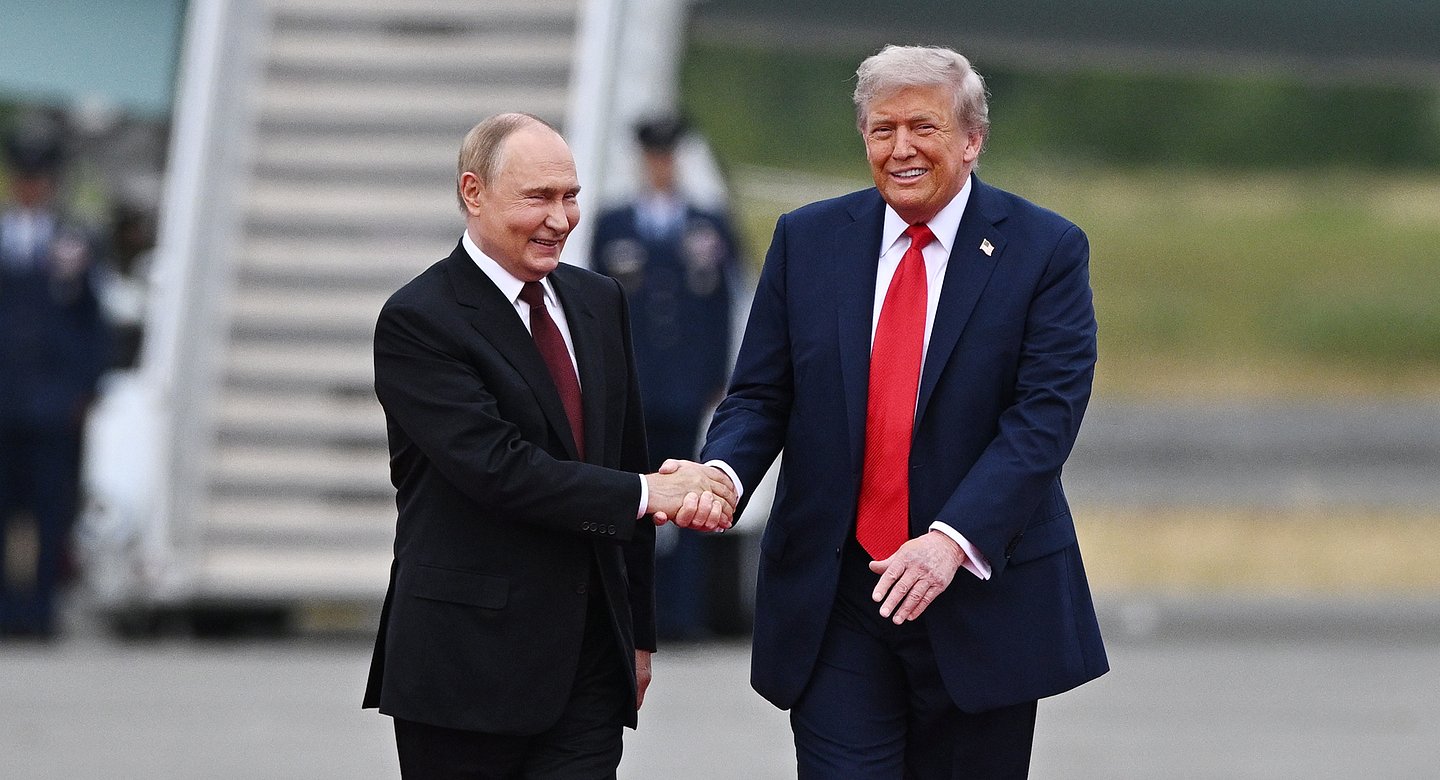
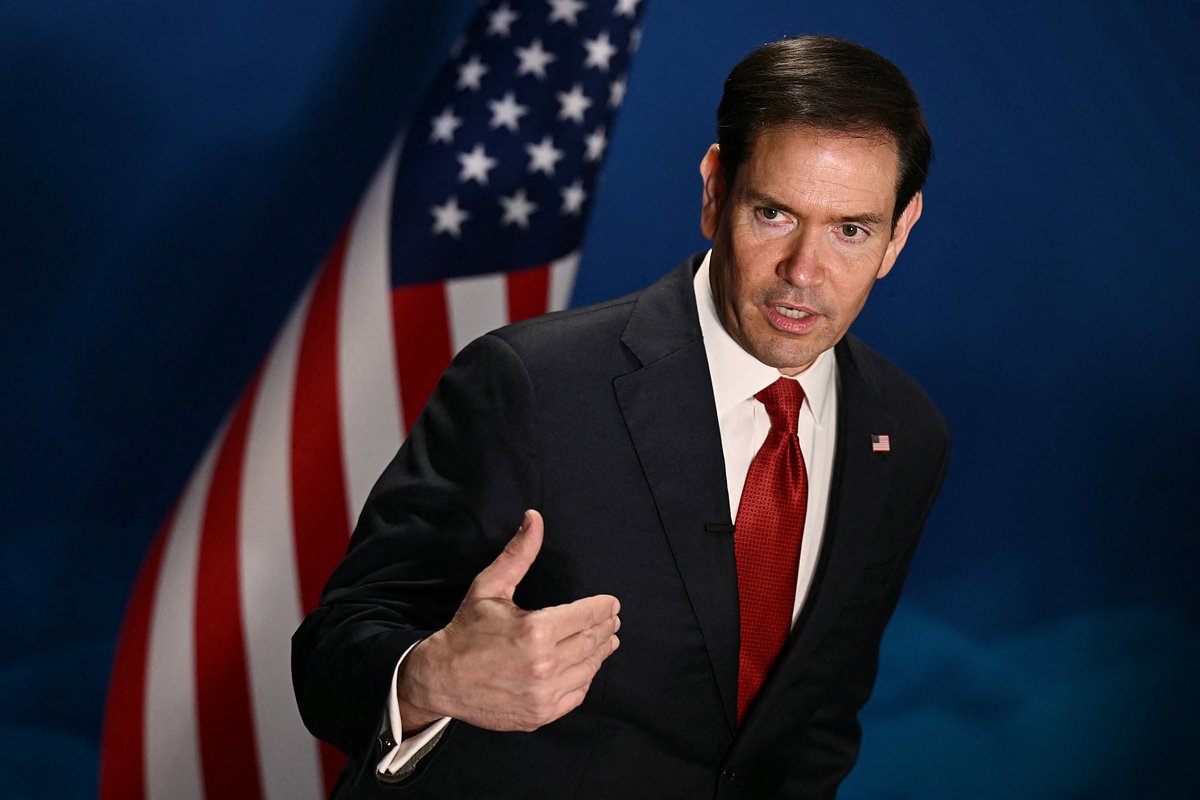
The proposal came against the backdrop of stalled diplomacy. U.S. Secretary of State Marco Rubio acknowledged in late July that the agreements reached in Anchorage had not resolved the Ukraine conflict, saying both sides needed new ideas even as Washington remained ready to keep talking with Russia and Ukraine. Cook argued culture could be one channel for that dialogue.
Reviving cultural exchanges
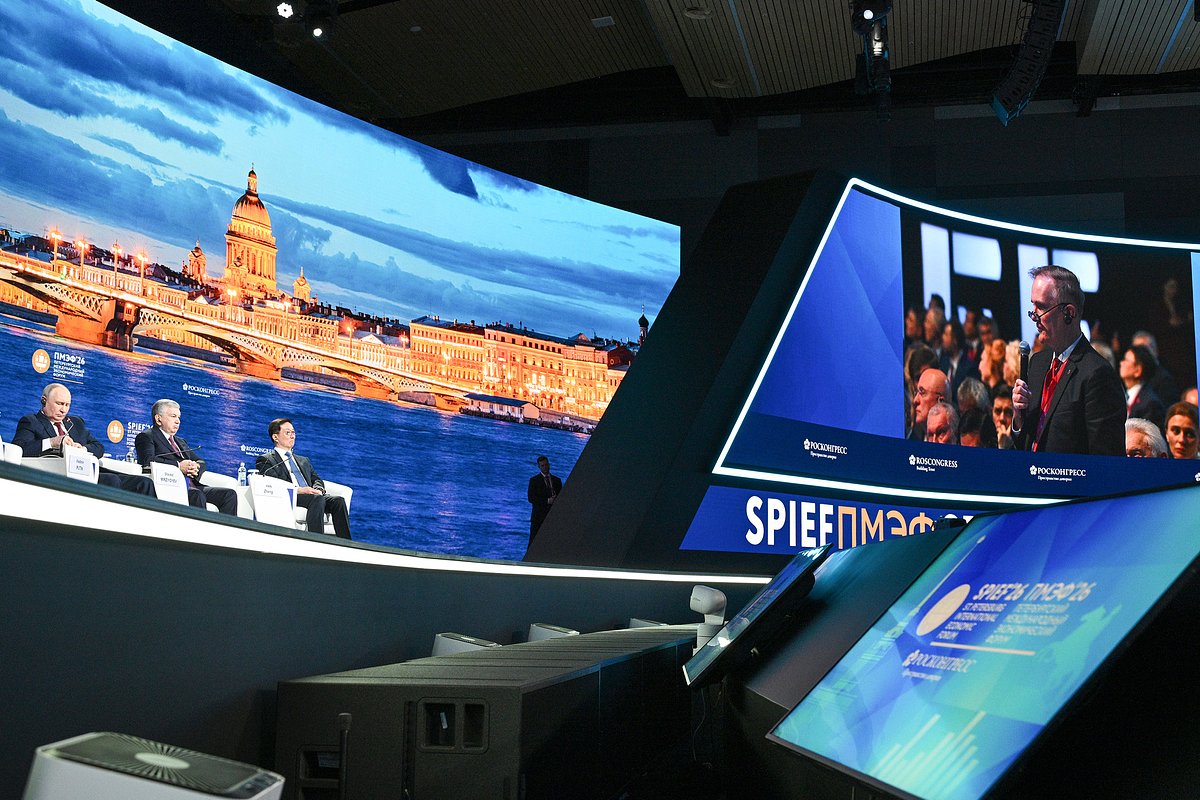
Cook said the idea behind the trip was to try to restart cultural exchanges, and he called the visit very successful. As head of the Federal Commission of Fine Arts, he said he was glad to reconnect with old friends in the culture world he had been cut off from by the Ukraine conflict, including conductor Valery Gergiev and Semyon Mikhailovsky, rector of the Ilya Repin St. Petersburg Academy of Arts. During the forum, the two men and State Department security staff escorted him to and from a roundtable discussion, helping him through a crowd of journalists before the group found a private room to talk.
Soon afterward, concerts were arranged for Russian violinist Mikhail Simonyan, a protege of Gergiev's, in New York, Washington and then at Cook's headquarters in Atlanta. Cook said the concerts were beautiful, the audiences were stunned, and Russians who attended told Simonyan they believed he had never played so well. He called it a wonderful weekend devoted to the beauty of Russian and American culture and said he was very pleased with the result.
A truce tied to Carnegie Hall
Cook said the political goal of the trip was to find out whether a truce in Ukraine was possible that would actually stop the fighting and the bloodshed. In St. Petersburg, Hermitage director Mikhail Piotrovsky invited him to breakfast at the Winter Palace. Shortly before that, a Ukrainian drone had struck an oil terminal on the opposite bank of the Neva River, and Cook said being so close to the attack let him see firsthand what both countries are dealing with.
He said he came away thinking air travel should resume for the sake of cultural exchange, restoring relations and diplomatic contact, though American planes would need guaranteed safe landings. He recalled that composer Pyotr Tchaikovsky performed at the opening of Carnegie Hall 135 years ago and suggested Gergiev and a Russian symphony orchestra could perform there again, timed to a truce announcement that would let diplomats keep working. He called it a beautiful gesture: music leading to a truce. He said Russian colleagues were interested too, and that the goal was to test a small step that could grow into something larger.
Asked how strong the appetite for direct dialogue with Russia is in the United States, Cook said the broader American public is most eager to learn more about Russia, and that politicians in particular need educating, something culture can help with. He said Russia and the United States have been bound for centuries by mutual admiration for each other's culture, adding that Russia's culture is much older but both are extraordinarily beautiful.
Putin's message for Trump
Cook said he hoped the trip would boost other American officials', lawmakers' and business figures' interest in visiting Russia, and that word had already spread in Washington circles about how hospitably he was received, including by Putin himself. He said Putin greeted him from the stage during the forum, an exceptional moment that neither he nor the State Department had expected, and that he was somewhat surprised by it.
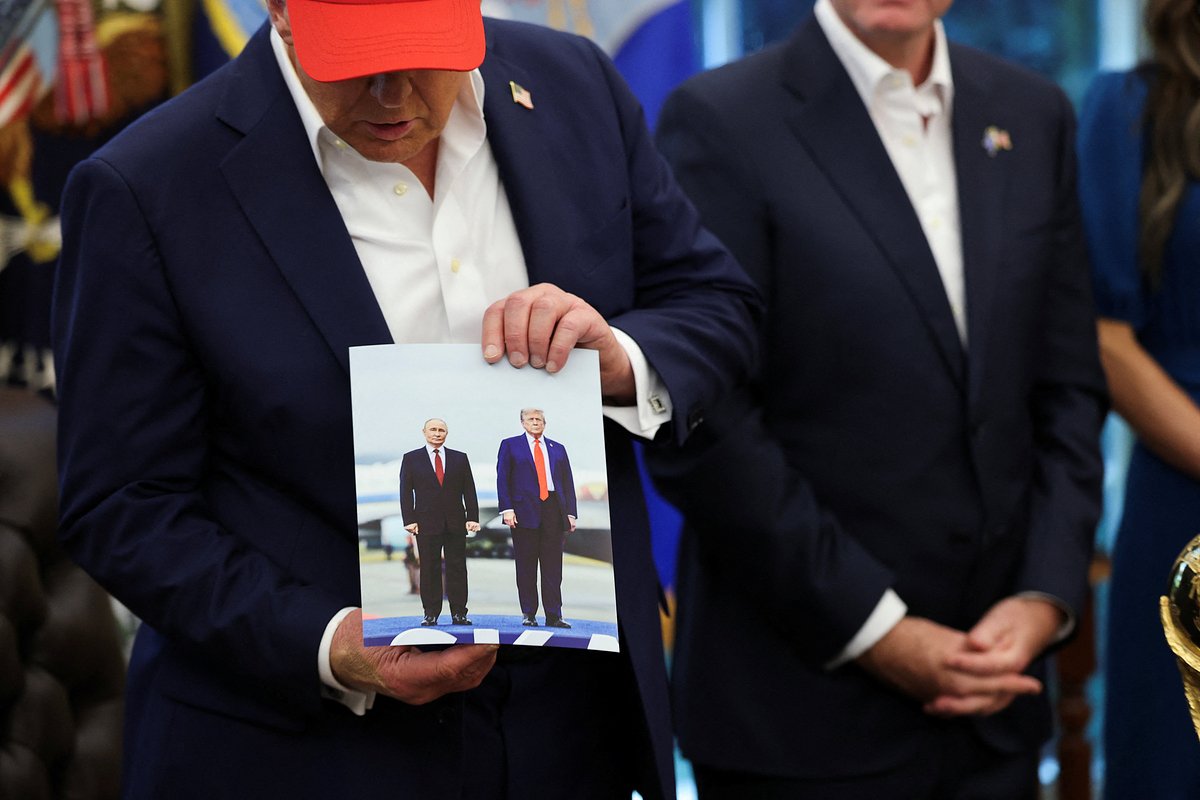
Cook said Putin was very courteous and entrusted him with a symbolic message for Trump, asking him to deliver a "return puck." Cook said he knew Putin was a good hockey player, so a week later he placed an actual hockey puck on Trump's desk, and that Trump liked the gift very much. Cook said the two presidents had a long phone call on Trump's birthday, June 14, after his return, and that he believes the gesture came up in that conversation.
Ukraine conflict called the main obstacle
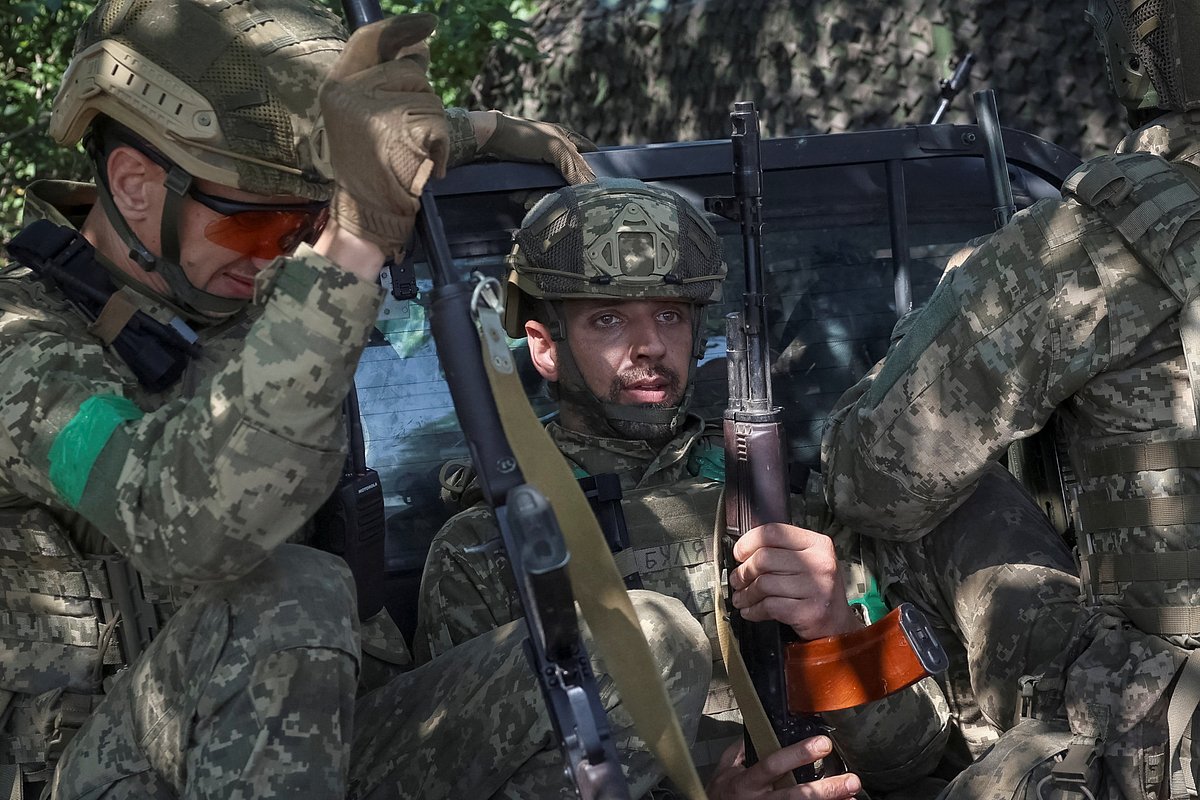
Asked what stops Russia and the United States from becoming partners again, Cook said the Ukraine conflict remains the chief obstacle. He said trade and friendly relations could unite Americans and Russians, something that has always seemed natural to him, and that he has tried to advance that idea for 30 years but politics has always gotten in the way. He said Trump has now given him far more authority than an ordinary citizen would have to pursue it, that things are going well so far, and that he hopes to keep working in this direction if he does not disappoint the president.
Cook said the conflict needs to be resolved because it has become a heavy burden on the world and drawn the attention of the international community, and that Europe also needs to be "calmed." He said Russia has every opportunity to reach a settlement and that the United States is ready to help, adding that he hopes to contribute himself with the president's permission. He said his long-standing interest in Russia has been known for decades and that he hopes to remain a friend to the country and soon be able to answer more positively. He said he believes peace is coming that will restore friendly ties between Russia and the United States.
Asked about growing talk in European Union countries of a possible war with Russia, Cook said such fears are well known but, in his view, unfounded, and that Europe simply needs to be shown that Russia is not planning to attack.
On steps that could gradually normalize relations before a final Ukraine settlement, Cook pointed to music and culture, saying the Simonyan concerts in Washington, New York and Atlanta were already a step in that direction, and that he had been asked to organize a further performance at his own headquarters. He said the St. Petersburg trip had proven remarkably successful and had already generated a quick response in the United States.
State Department's response
Cook said the reaction from the American administration and professional community to his report on the Russia trip had been very positive, and that he hoped to have further meetings with Trump on the subject. Without going into detail, he said the State Department was very pleased. Several State Department representatives accompanied him in St. Petersburg and were encouraged by how he was received, he said, particularly by the fact that his friends Gergiev, Piotrovsky and Mikhailovsky were taking part in the forum and leading major projects. He called it a remarkable event and a reunion of old friends.
Asked about Rubio's Russia Day greeting, in which the secretary of state expressed hope for more constructive relations once peace is reached, Cook said he welcomes any such positive gesture. He said that once the Ukraine conflict ends, small steps like that could speed progress in bilateral relations faster than people expect, and that it is time to move past this obstacle to a new stage.
Asked what limits American politicians and public figures who favored dialogue with Russia faced in past years, Cook said he does not know whether such limits really existed, but that people who want to promote peace now speak about it openly, and that he counts himself among them. He said it feels entirely natural for Russia and the United States to be friends, but that the Ukraine conflict stands in the way and needs to end, after which the friendship would grow far stronger than it is now.
Bering Strait tunnel proposal
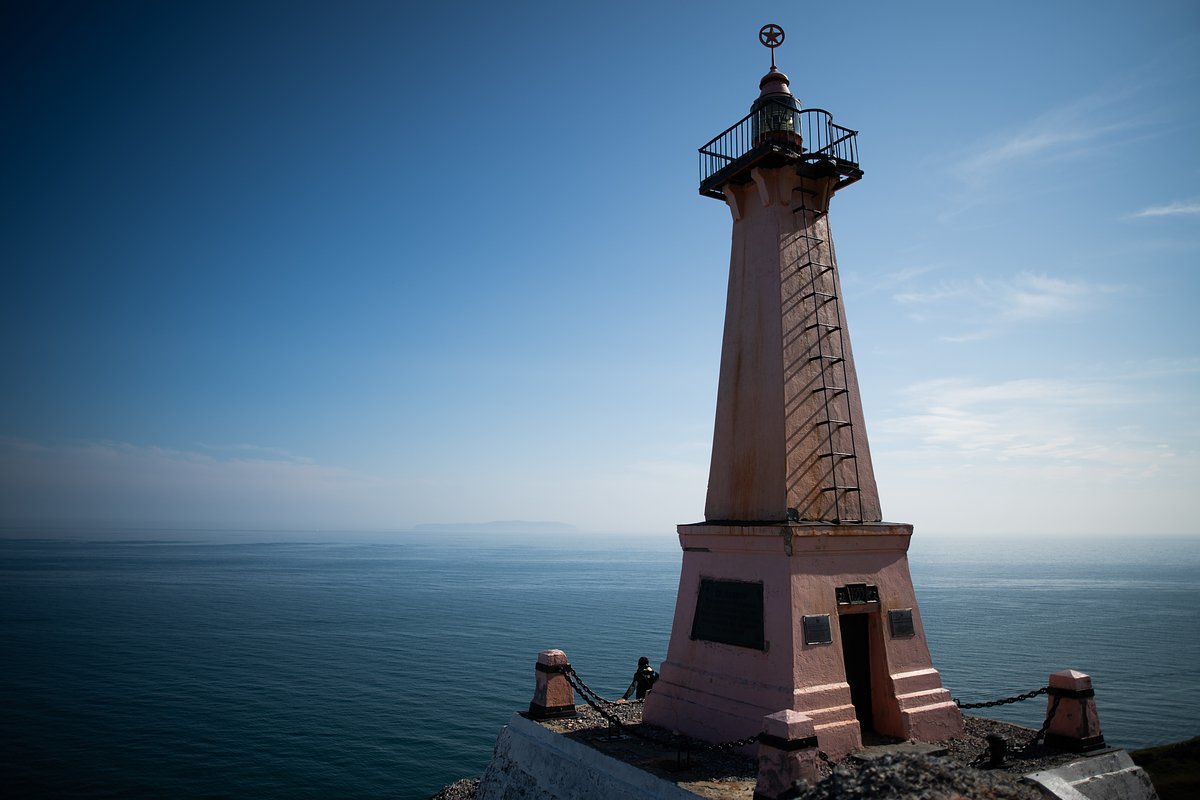
Cook was also asked about an agreement announced at the forum by Russian presidential envoy Kirill Dmitriev on building a tunnel under the Bering Strait. He called the project realistic, noting the United States had drawn up a preliminary design for it during Trump's first term. He said two islands sit in the strait, making it possible to build a tunnel to the first, a bridge to the second, and then another tunnel to the mainland. He said a land link between Alaska and Siberia was first proposed under Emperor Nicholas II but was blocked by difficult ice conditions in the strait, and that conditions today are less severe than 120 years ago. He said Chukotka and Alaska are both rich in minerals and that the tunnel could become a symbolic and physical bridge between Russia and the United States.
Monuments and 'cancel culture'
Asked about the renaming of streets, the removal of monuments and restrictions on the Russian language and culture in Ukraine, Cook said the issue connects directly to his day job as president of a national foundation for the preservation of monuments. He said he is deeply troubled by the destruction of monuments across the Western world and has long fought the problem, and that he regrets it wherever it happens. He said even the scale of lost American heritage is staggering, let alone Russian and Ukrainian heritage, and that he condemns such actions. Monuments should not be destroyed and historical events erased as if they never happened, he said, adding that he always proposes reinterpreting monuments with new inscriptions and information rather than tearing them down.
Asked to define cancel culture, Cook called it anti-intellectual.
Asked how cancel culture affects American perceptions of Russia, Cook said the U.S. education system still explains poorly what happened after former Secretary of State James Baker made his pledge during talks on German reunification, when he assured that NATO would not expand its jurisdiction eastward by an inch. He said the American press barely discusses this today, leaving many people unaware of it, and that this is why he tries to tell people the history of Russian-American relations so that mistakes can be corrected and friendlier relations built.
Russian culture and travels
Asked what draws him to Russian culture and literature, Cook said Russian journalist Vladimir Tolstoy recently gave a lecture in Atlanta drawing parallels between Leo Tolstoy's "War and Peace" and Margaret Mitchell's "Gone with the Wind," Mitchell being from Cook's hometown. He said people lined up for blocks to hear the lecture. Cook said he has often visited Yasnaya Polyana, where Leo Tolstoy is buried, and that interest in the writer's legacy serves as a link between the two countries. He said he would like to invite Vladimir Tolstoy back to the United States, noting the Ukraine conflict had kept such visits from happening for years, and that he was glad to finally see him in the U.S.
On Russian architecture and urban design, Cook praised the layout of St. Petersburg, comparing it to Savannah, Georgia, near his home, and to Washington, D.C., which was designed by French architect Pierre Charles L'Enfant. He called St. Petersburg, built by Peter the Great as a "window to Europe," another great example of city planning. He named the arch of the General Staff Building leading onto Palace Square as one of the most majestic places in the world, saying its scale is fantastic and comparing it only to the Place de la Concorde in Paris and Trafalgar Square in London.
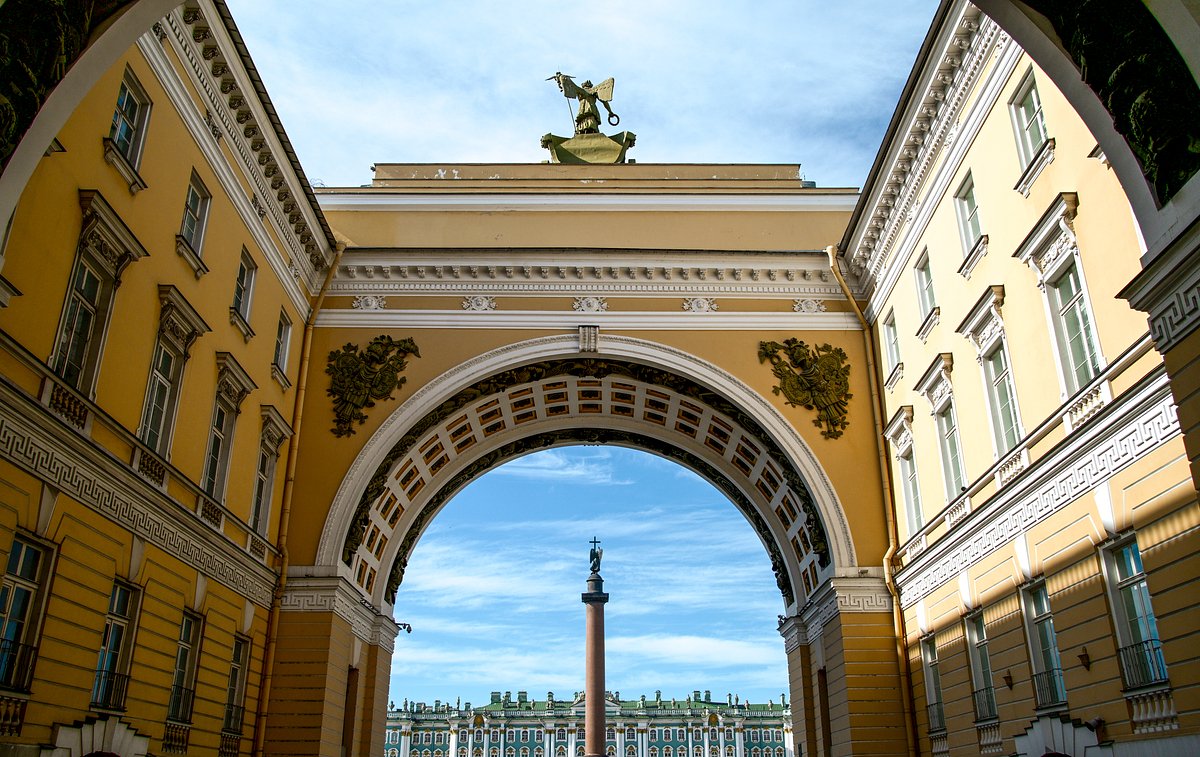
Cook said it was from Palace Square, before his meeting with Piotrovsky, that he saw the column of smoke from the drone attack, saying such things should not happen to a city that survived total destruction in World War II. He recalled telling the forum audience that Adolf Hitler had dreamed of announcing the conquest of Leningrad from the Winter Palace balcony and razing the city the next day, plans thwarted by Russian resistance, and that the city's spirit was sustained by Dmitri Shostakovich's Symphony No. 7, which Cook had asked to have performed. He said it is especially important to settle the Ukraine conflict so people worldwide can safely enjoy such works.
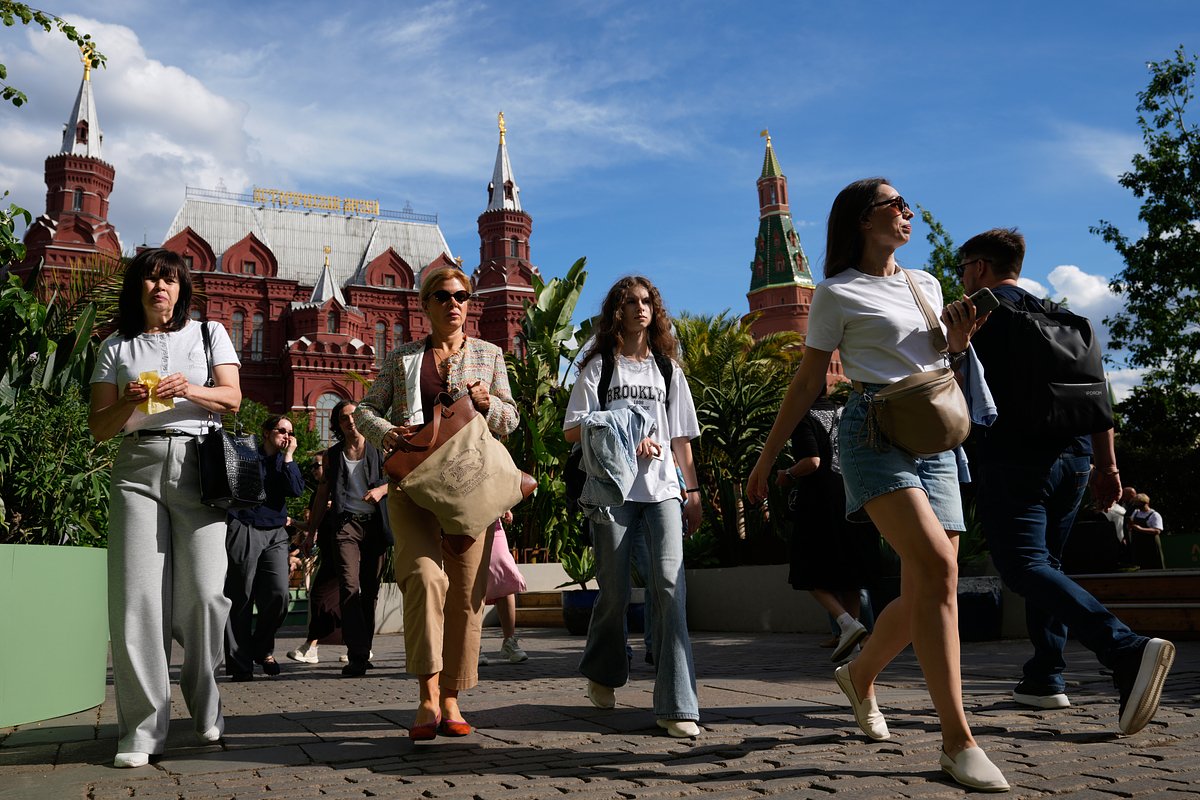
Asked about other memorable places in Russia, Cook named Tula, Tver and Istra, saying he has visited many small towns and villages. He said he has studied Moscow's history in detail, particularly the period 500 years ago when the Kremlin was white and no megacity yet surrounded it, and that he also liked Sergiev Posad.
Cook said he first visited Sergiev Posad with American historian and Russia specialist Priscilla Roosevelt when he was just over 30 and had never heard of the town before. He called the Trinity Lavra of St. Sergius one of the most captivating places he has ever seen, recalling that he skipped an important meeting to tour the monastery instead, finding it magnificent. He described the Lavra as one of the great riches Russian culture can offer the world and said he hopes to help popularize it.
Asked where culture ends and politics begins, Cook said culture exists outside politics and that he is working hard to build cooperation between the two countries in that field. He said he hopes to be allowed to continue that work alongside Piotrovsky, and that his interview might help draw attention to the field and inspire politicians to strengthen cooperation.


