

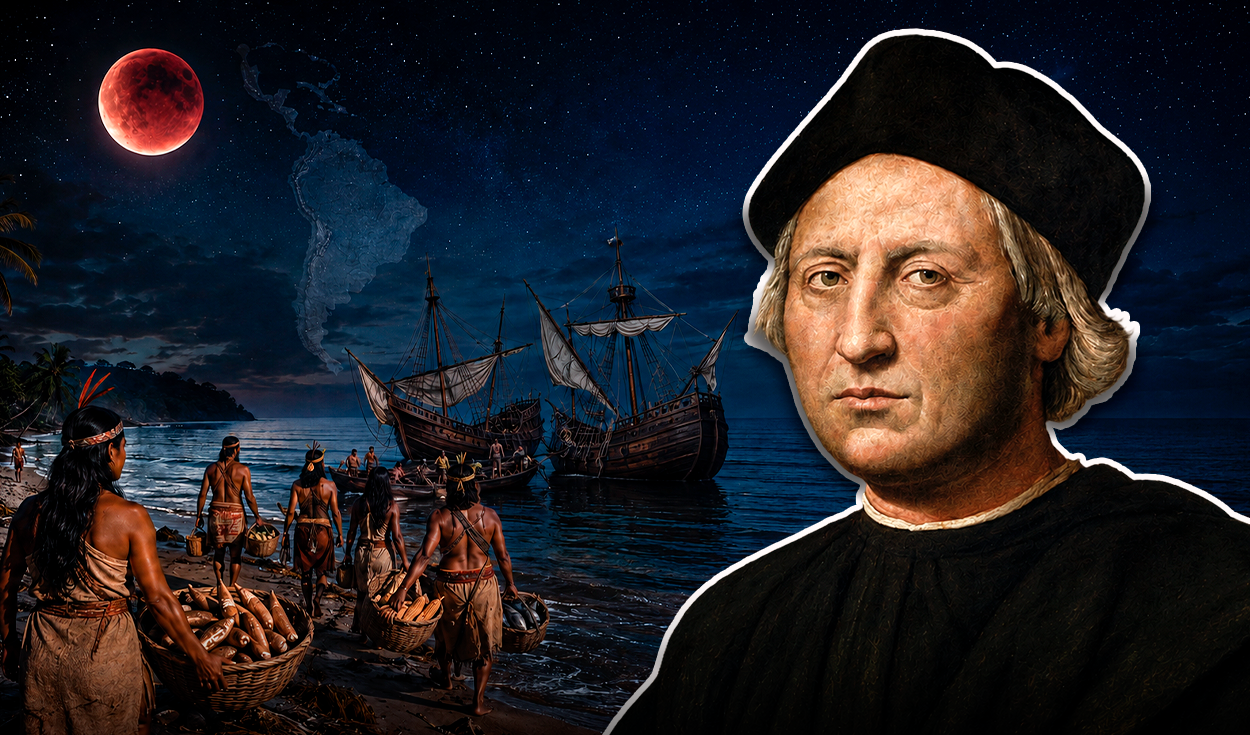
Christopher Columbus used his astronomical knowledge of a lunar eclipse to trick Indigenous communities in Jamaica into providing food for his stranded crew in 1504. In June 1503, the explorer's fourth expedition to the Americas nearly ended in tragedy after his ships ran aground in Jamaica due to destructive mollusks. Unable to leave the island, the explorers survived for several months on provisions provided by local Indigenous communities, according to EBSCO Research.
Friction between the two groups escalated quickly as the European stay dragged on, driven by unequal trading and excesses committed by the crew. When the native inhabitants cut off supplies and left the sailors facing imminent famine, the admiral used astronomical information regarding lunar eclipses to plan a strategy for survival.
Astronomical tables and divine threats
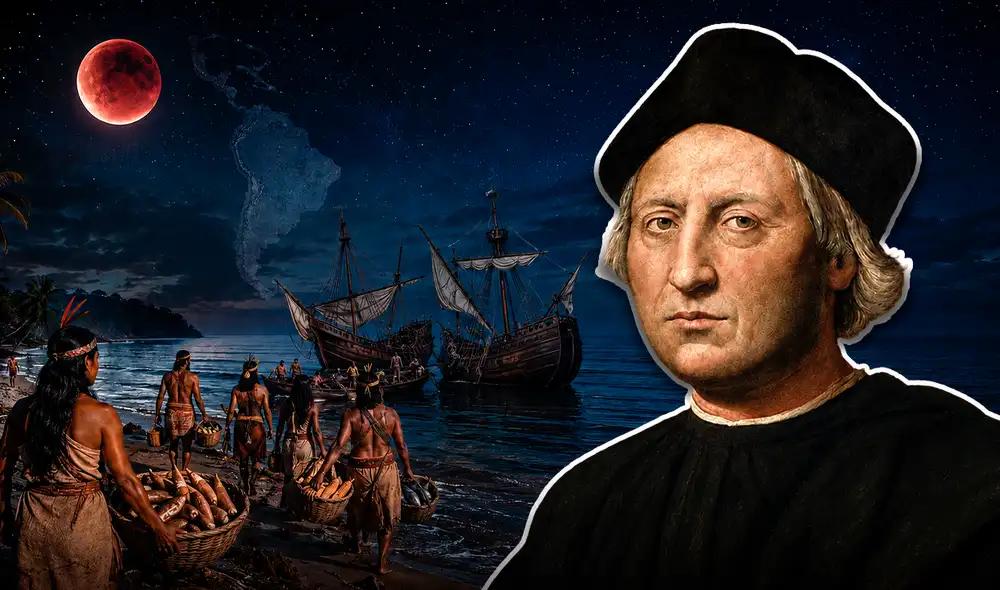
During his voyage in 1504, Columbus relied on astronomical tables compiled by Regiomontanus and Abraham Zacuto to anticipate a nighttime eclipse on February 29. Official NASA records confirm that the celestial event occurred as historical accounts describe. Three days before the eclipse, Columbus warned the local chief that the Christian deity would remove the moon's light as punishment for withholding food.
When dusk arrived and the lunar surface turned reddish at the predicted hour, the prophecy deeply affected the islanders, according to a historical reconstruction published by Space.com. Hernando Colón, the explorer's son and a direct witness to the journey, recorded that Indigenous residents ran to the ships with great shouts and lamentations while carrying provisions to stop the perceived divine wrath.
Eyewitness testimony and island rescue
Hernando Colón documented the episode in his book, The Life of the Admiral Christopher Columbus, which serves as the primary historical source for the event. However, an edition of the work published by Rutgers University Press advises readers to evaluate the account with skepticism because of the author's relationship to the admiral.
Historians consider a fatal outcome for the crew without the eclipse to be a reasonable possibility, though unprovable. After being stranded in Jamaica for half a year, the European sailors faced extreme danger from food shortages, an internal mutiny, and the breakdown of their relationship with the local population.
During the eclipse, Columbus stayed inside his cabin pretending to pray to God while measuring the event's duration with an hourglass. Minutes before the shadow left the moon, the crew announced divine forgiveness to the Indigenous communities, and the return of moonlight persuaded the islanders to resume supplying food. The provisions sustained the expedition until a rescue party arranged from Hispaniola arrived in late June, demonstrating how European astronomy was used as a tool of intimidation in a colonial context.


