


The United States Air Force has lost at least 45 MQ-9 Reaper drones during military operations in Iran, according to leaked internal data.
The total losses represent 25 per cent of the military unit fleet of the aircraft type and carry an estimated cost exceeding 1.3 billion US dollars.
Data leaked to The Washington Post shows that the remotely piloted aircraft, which serve as a core component of American surveillance and precision strike capabilities, carry a price tag of between 30 million and 50 million dollars per unit depending on their onboard systems.
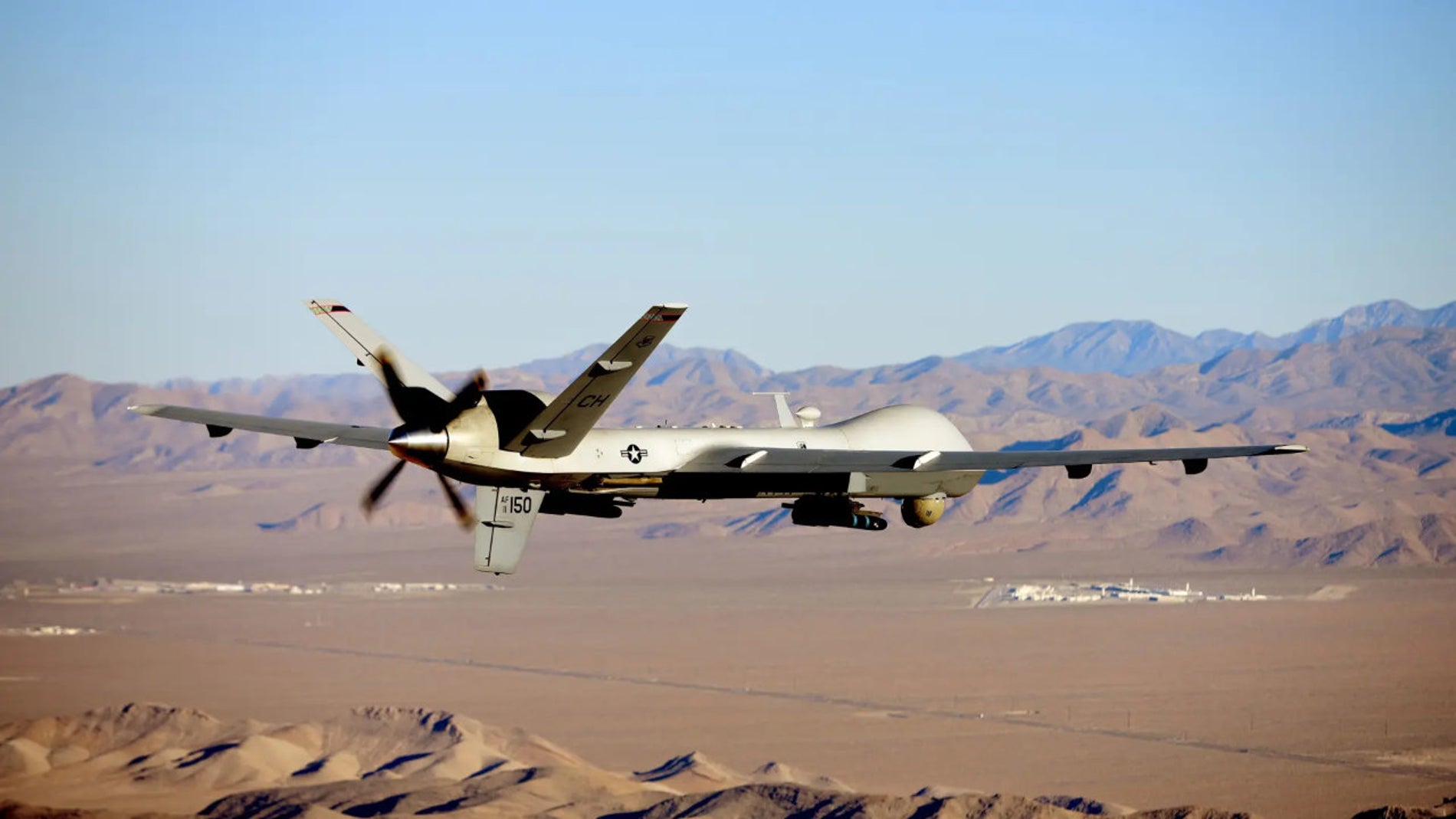
The latest downing occurred in Hormozgan province in southern Iran, where Iranian forces intercepted and shot down another Reaper aircraft. The Islamic Revolutionary Guard Corps confirmed that it used a newly deployed anti-aircraft missile system to strike the drone over the Strait of Hormuz.
The Strait of Hormuz, a vital maritime chokepoint between the Persian Gulf and the Gulf of Oman that handles a major portion of global sea-borne oil traffic, has served as the central hub for US drone operations while becoming increasingly dangerous for unmanned aerial vehicles. First deployed by the military in 2007, the General Atomics MQ-9 Reaper is a medium-altitude, long-endurance aircraft designed for remote reconnaissance and targeted airstrikes.
Vulnerabilities to modern air defence systems
Despite carrying sophisticated sensor suites and precision armament, the MQ-9 Reaper has proven highly vulnerable when operated inside airspace protected by modern defensive networks. Capable of reaching a maximum speed of 480 kilometres per hour, the aircraft flies considerably slower than traditional piloted fighter jets and operates at relatively low flight altitudes.
The combination of slow operational speeds and predictable flight paths makes the Reaper an easy target for Iranian radar tracking and surface-to-air missile batteries. Although defense contractors have introduced periodic technological upgrades since the aircraft was introduced, recent combat engagements demonstrate that the platform is beginning to grow obsolete in contested airspace, even as military planners consider its presence indispensable.
The cumulative destruction of 45 drones occurred across months of military engagements rather than in a single conflict event. By the spring, defense records already accounted for more than a dozen lost units, with several aircraft shot down in mid-flight and others destroyed on the ground at military bases.
Failed negotiations and escalating conflict
A temporary truce mediated by Pakistan in April temporarily halted combat actions and created an opportunity for bilateral diplomatic negotiations. However, the talks concluded shortly afterward without an agreement due to irreconcilable differences regarding freedom of navigation rights and regional security guarantees.
Following the collapse of diplomatic negotiations, military engagements resumed with greater intensity by mid-summer. Washington renewed bombing raids against positions inside Iranian territory, while Tehran launched retaliatory strikes against military facilities housing American personnel in Jordan, Bahrain, and Kuwait.
Maintaining continuous MQ-9 Reaper operations in heavily defended airspace has generated multi-million dollar losses for the military. The sustained attrition is forcing military commanders to evaluate whether medium-altitude unmanned aircraft can remain operational when facing state-of-the-art air defense systems.


