

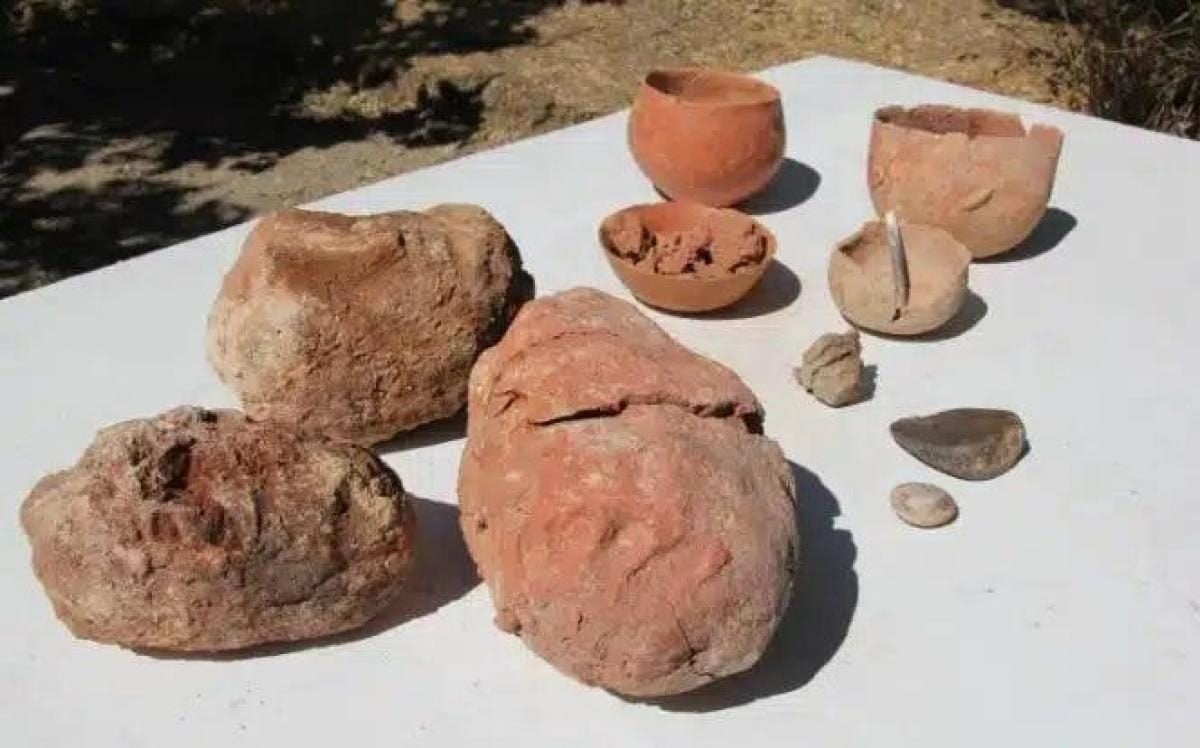
Archaeologists led by Professor Ozlem Cevik from Trakya University have discovered 8,000-year-old fingerprints preserved on ancient clay items at the Ulucak mound in western Turkey. The discovery in the Kemalpaşa district of Izmir province was reported by the Daily Galaxy.
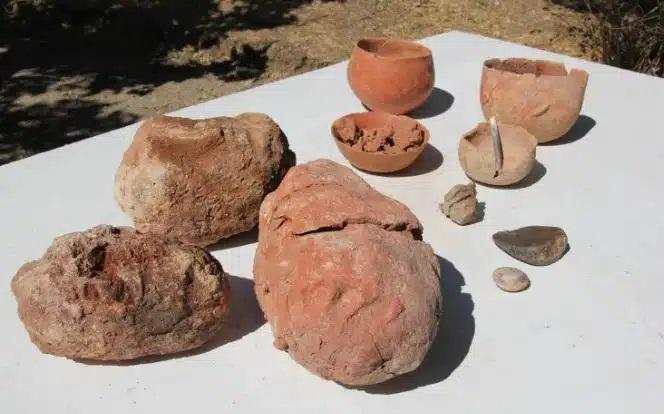
The site, where an ancient settlement once stood, provided crucial insights into how early human communities organized ceramic manufacturing. The workshop dates to between 6000 BC and 5840 BC and was found inside a six-room building complex containing tools, unfinished ceramic vessels, pigments, and craft materials. Excavations at the site have been ongoing since 2009.
Professor Cevik said the fingerprints offer some of the earliest clear evidence that pottery production was carried out by skilled artisans working in a dedicated workshop, rather than strictly inside residential dwellings. The presence of a specialized workspace indicates that early craftspeople possessed advanced knowledge of clay preparation, forming techniques, and decorative methods.
Community involvement in clay preparation
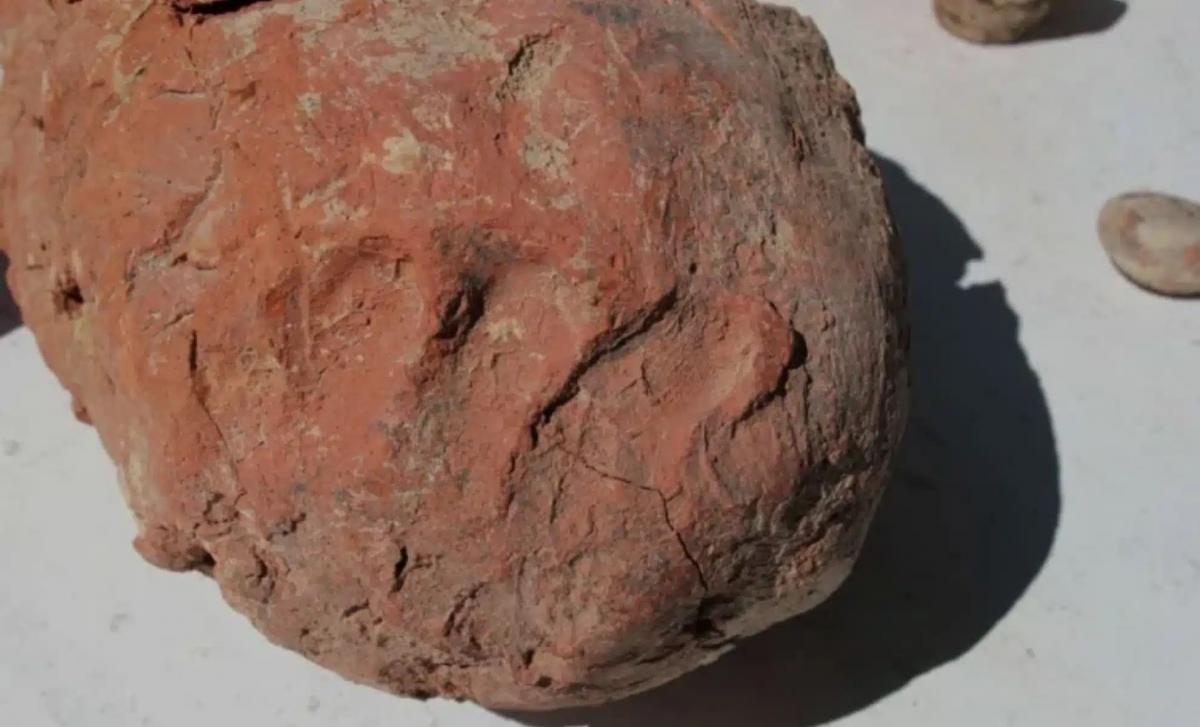
The ancient impressions were left on clay blanks prepared prior to being shaped into ceramic vessels, recording a rare moment of interaction between prehistoric humans and their raw materials. Researchers identified prints belonging to several community members, including adult men, adult women, and children under 11 years of age.
Cevik explained that early ceramic manufacturing was not restricted to a specific demographic group within the settlement. Instead, individuals of different ages and genders participated in preparing the raw clay before artisans shaped it into finished objects.
Studying the ancient fingerprints remains difficult because thousands of years of environmental exposure can damage or erase portions of the impressions, leaving only fragments in many instances. Cevik noted that modern imaging techniques help researchers analyze well-preserved samples to determine print shapes and fine details.
He explained that the quality of imaging results depends on how the original impression was created. If the person who left the mark did not move their finger or press twice on the exact same spot, high-resolution cameras can capture the print easily and accurately.
Ancient tools and craft techniques
Artifacts uncovered inside the Ulucak complex demonstrate that early pottery creation was a structured, multi-step process requiring practical experience. Archaeologists discovered lumps of red pigment, potentially hematite, used for decorating vessels, along with grinding stones used to prepare the pigments.
Excavators also recovered bone spatulas used to smooth clay surfaces, polishing stones, and unfinished vessels crafted using coil modeling techniques. Before becoming completed products, the clay required preparation, shaping, smoothing, and decorating through a combination of specialized tools and practical skills.
Cevik stated that further research and analysis are required to clarify the precise technological differences between household pottery making and workshop-level production. Scientists continue to investigate key factors, including clay preparation methods, shaping techniques, and relative skill levels between domestic and dedicated workshop environments.


