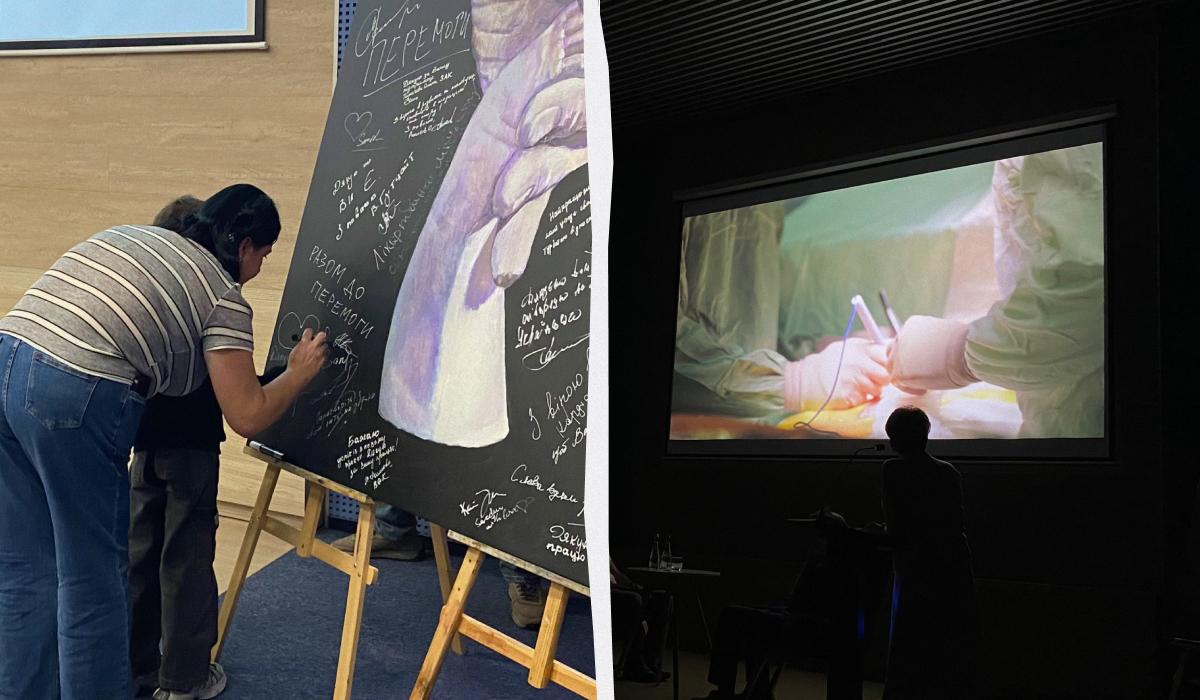
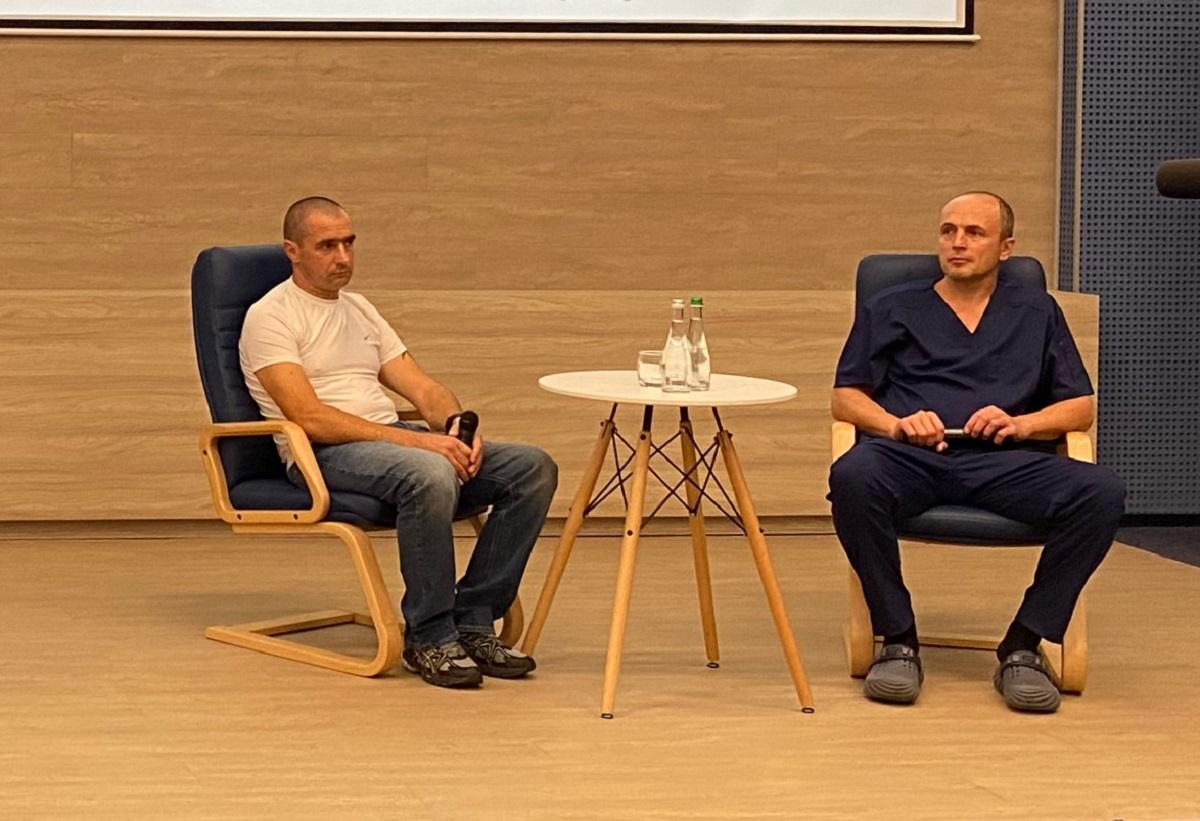
Patients who underwent life-saving heart transplants and complex cardiac interventions joined their physicians at the Center of Cardiology and Cardiac Surgery in Kyiv to share their recovery stories on World Heart Day.
The event, titled "In the Rhythm of Life: Two Sides of One Story," brought together three pairs of doctors and patients. Each pair presented their clinical experience from both the medical perspective and the patient's personal journey back to health.
The featured patients included six-year-old Mykola Zherebov from Chernivtsi Oblast, 45-year-old military veteran Yuriy Mykytenchuk from Zhytomyr Oblast, and prominent Ukrainian theatre and film director Semen Horov. Both Zherebov and Mykytenchuk received donor heart transplants at the facility, while Horov underwent specialized cardiac procedures.
World Heart Day is observed globally every year on September 29 to raise awareness about cardiovascular disease, organ donation, and medical advancements in heart care. The Center of Cardiology and Cardiac Surgery of the Ministry of Health of Ukraine, located in the capital city of Kyiv, is the nation's leading medical institution for complex pediatric and adult cardiac surgeries, including heart transplantation.
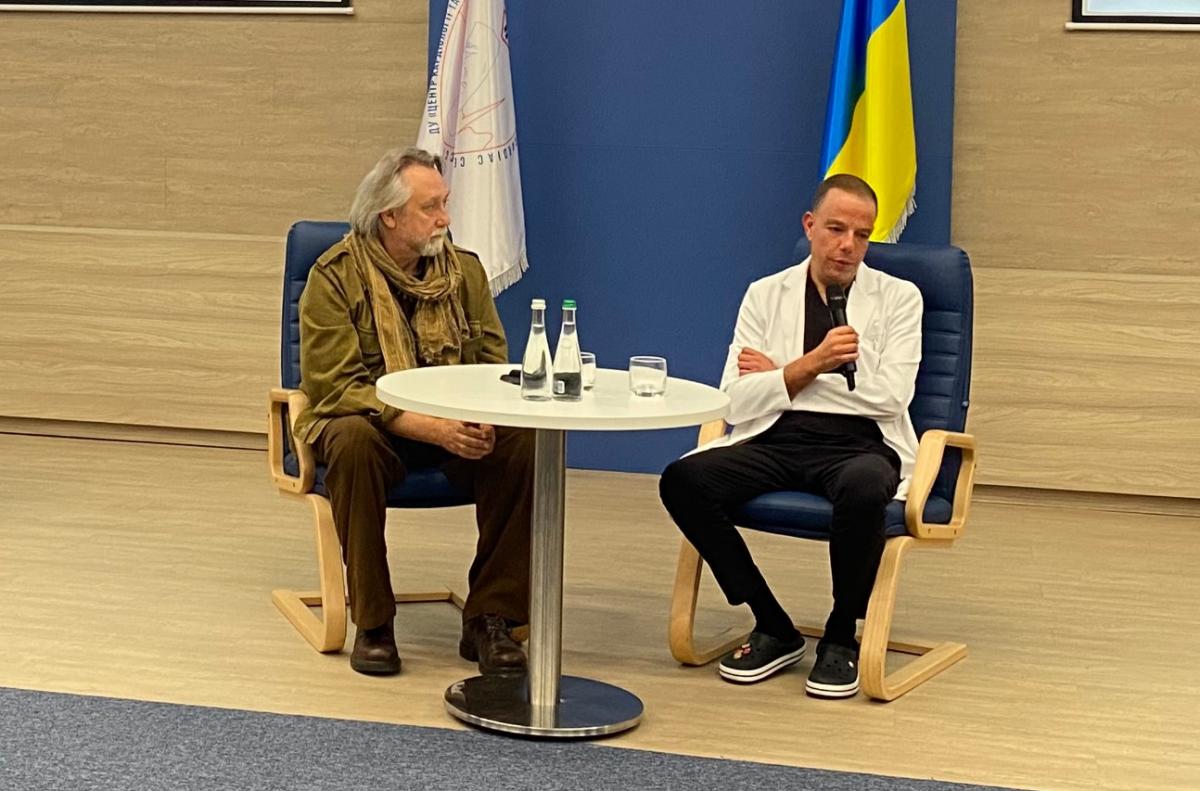
Director Semen Horov and cardiac stenting
Ukrainian film and music video director Semen Horov detailed his long history of cardiac care during the presentation. Horov suffered his first heart attack in 2006, followed by a second heart attack in 2009. Doctors successfully placed arterial stents after each emergency to restore blood flow to his heart muscle.
Coronary stenting is a minimally invasive surgical procedure in which an expandable wire mesh tube is inserted into a narrowed coronary artery. The stent holds the vessel open, allowing oxygen-rich blood to reach the cardiac tissue and preventing further heart muscle damage after a myocardial infarction.
In 2023, Horov sought advanced treatment at the Kyiv center, where Heorhiy Mankovskyi, the General Director of the Center, became his primary physician. Under Mankovskyi's guidance, the director received targeted medical management to stabilize his cardiovascular function.
Mankovskyi stressed during the event that patient compliance and mutual trust between a doctor and patient are essential to long-term survival. He noted that following medical instructions and lifestyle recommendations after a procedure is just as vital to recovery as the surgical operation itself. Horov continues his professional creative work while remaining under regular medical observation by the center's specialists.
Pediatric heart transplant and emergency transport
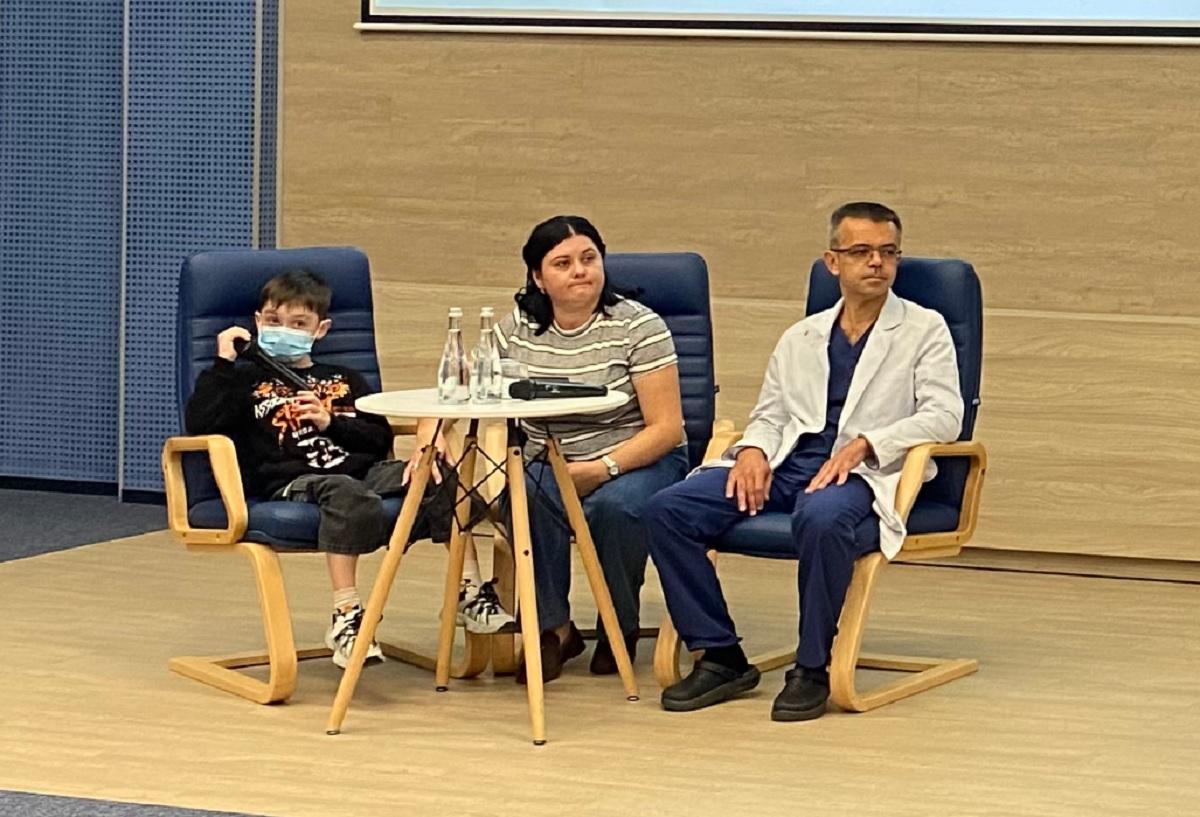
Six-year-old Mykola Zherebov was diagnosed with a severe congenital heart defect before he was born. Congenital heart defects are structural anomalies present at birth that disrupt normal blood flow through the heart chambers and major blood vessels, often requiring early surgical intervention.
Medical teams performed corrective cardiac operations on Zherebov when he was one year old and again at age five. Following his second surgery, the boy developed acute postoperative complications and was connected to an Extracorporeal Membrane Oxygenation machine.
Extracorporeal Membrane Oxygenation, known as ECMO, is an advanced form of mechanical life support. The machine continuously pumps blood outside the body, removes carbon dioxide, adds oxygen, and pumps the oxygenated blood back into the body, effectively taking over the work of failing lungs and heart tissue.
Because the child showed no sign of cardiac improvement and his natural heart could no longer sustain life, cardiac surgeons determined that an immediate heart transplant was his only option. Organ transplantation in young children requires precisely matched donor organs, which must be transplanted within a critical window of hours after procurement.
Late one evening, a compatible donor heart became available. Because Zherebov was at his home in Chernivtsi Oblast in southwestern Ukraine, medical coordinators had to arrange rapid transport across hundreds of kilometers to the Kyiv clinic.
His mother, Oksana, said the standard automobile journey from Chernivtsi Oblast to Kyiv normally takes between 10 and 12 hours. However, the transplant specialist made emergency arrangements with the National Police of Ukraine to secure a continuous police escort.
Oksana said the police escort enabled their vehicle to travel with sirens and flashing emergency lights, cutting the travel time down to five hours. She remarked that the team did not drive but flew across the country to reach the hospital in time. Cardiac surgeon Serhiy Varbanets conducted the successful transplant operation, while physician Arkadiy Dovhalyuk oversaw the boy's clinical recovery. At the Kyiv event, the young boy was active and energetic, stating that he was eager to begin attending school.
Military veteran heart recovery after captivity
Forty-five-year-old military veteran Yuriy Mykytenchuk, from Zhytomyr Oblast in northern Ukraine, entered military service in 2022 to defend his country following the full-scale invasion. During his service, Mykytenchuk was captured and held as a prisoner of war for nearly two years in Russian captivity.
Following his release and return to Ukraine, Mykytenchuk experienced severe physical weakness and health deterioration. Upon examination by specialists in Kyiv, diagnostic tests revealed that his heart was functioning at only 10 percent of its capacity. Medical experts concluded that Mykytenchuk had suffered a massive, untreated heart attack while in captivity.
In early February, Mykytenchuk suffered cardiac arrest. Emergency medical staff connected him to an ECMO machine to sustain his life. The mechanical life-support system carried out the full functions of his heart and lungs for more than a month while physicians searched for a suitable donor organ.
Two weeks before his birthday, doctors located a compatible donor heart. Cardiac surgeon Serhiy Varbanets performed the complex transplant surgery. Mykytenchuk is currently undergoing comprehensive physical rehabilitation and is gradually returning to normal daily activities.
Medical support through Ukraine first Veteran Office
Throughout his medical treatment, Mykytenchuk received specialized assistance from Ukraine's first dedicated Veteran Office, which was established directly within the Center of Cardiology and Cardiac Surgery. The specialized unit provides integrated medical, psychological, and administrative coordination for former service members.
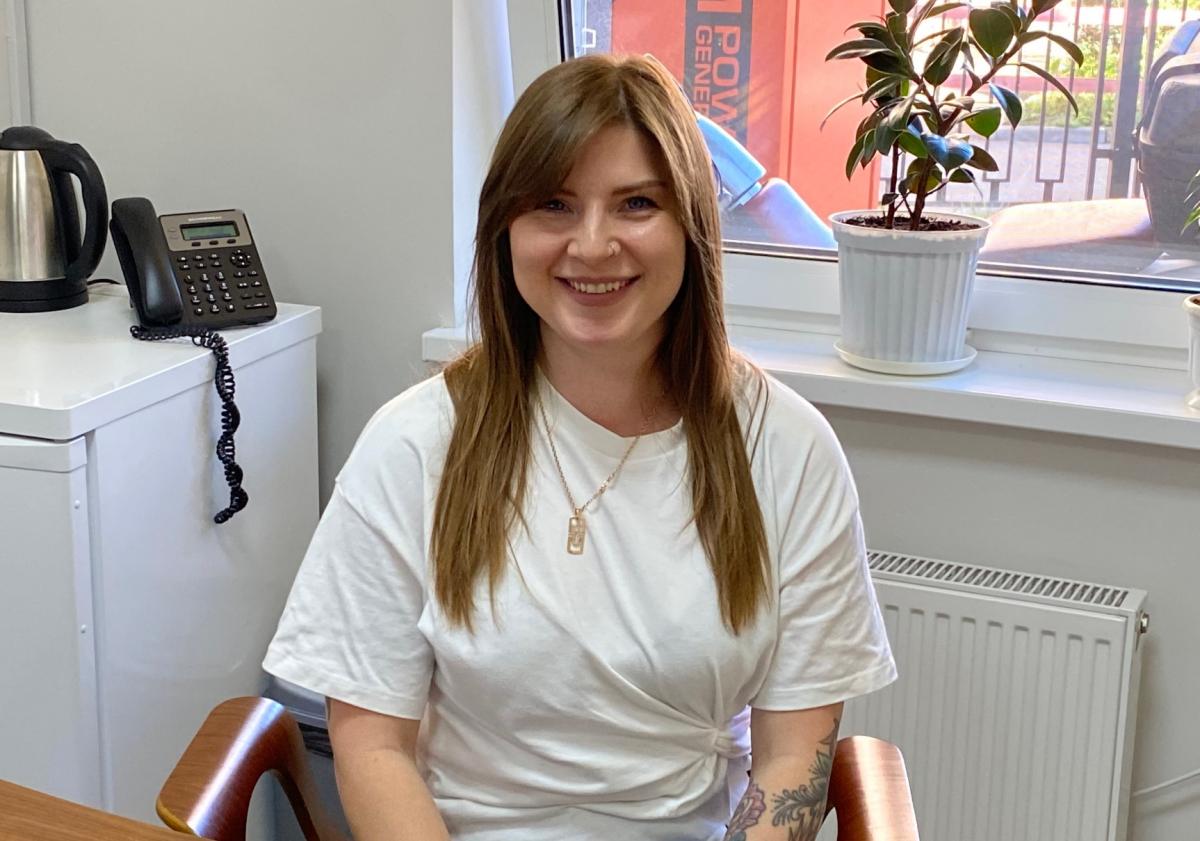
Marharyta Poltavska, curator of medical support for veterans at the Kyiv center, spoke to reporters inside the Veteran Office facility. Poltavska said the office began its formal operations in February and has already provided support to more than 1,500 individuals.
Poltavska explained that the primary objective of the Veteran Office is to resolve veterans' health and rehabilitation needs as quickly and efficiently as possible. She noted that military personnel holding official combatant status cards, honorably discharged veterans, and their family members are eligible to access the center's specialized medical services.