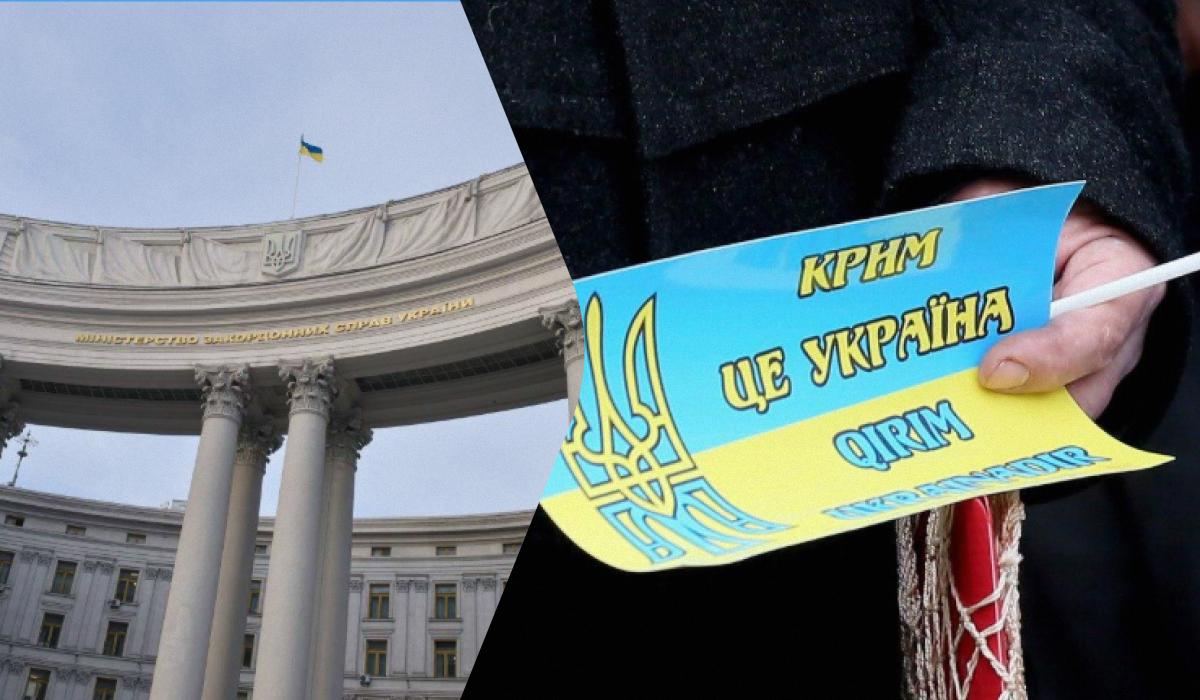
Ukraine's Ministry of Foreign Affairs has reported that Russia intends to abolish border control zones along sections bordering temporarily occupied Ukrainian territory.
The proposed changes target border areas in the southern Russian regions of Rostov and Voronezh. Similar measures are planned between occupied Crimea and captured areas of Kherson region.
Ukrainian diplomatic officials stated that the measures appear in draft departmental orders prepared by Russian authorities. In Moscow, officials explain the decisions as part of the formal inclusion of seized Ukrainian lands into the Russian Federation.
The Ministry of Foreign Affairs of Ukraine emphasized that the move goes beyond mere border control adjustments. Officials said Russia is attempting to create a false impression that occupied territories have legitimately joined Russia.
Erasing the international boundary
Ukrainian diplomats said Moscow is trying to substitute international legal status with its own illegal administrative decisions. The ministry noted that issuing administrative orders cannot grant ownership over the territory of a sovereign state.
No Russian laws, decrees or departmental orders can alter the internationally recognized borders of Ukraine, according to the statement. Officials stressed that moving control points away from the border represents an effort to erase the boundary separating the aggressor state from occupied land.
Under the Kremlin's plan, relocating border checkpoints to the outer edges of occupied regions is intended to demonstrate their final integration into Russia's administrative system. Ukrainian officials rejected this strategy, stating that military occupation does not create sovereignty and attempted annexation generates no legal territorial rights.
FSB decrees and territorial status
The Ukrainian foreign ministry identified decisions by the Federal Security Service, Russia's internal security agency known as the FSB, as part of an ongoing policy of administrative appropriation. The ministry reiterated that Russia remains an occupying power and aggressor state regardless of how Russian legislation defines the status of occupied regions.
Changing border posts, issuing new Russian identity documents or redrawing official maps cannot alter the legal status of Ukrainian soil, the ministry added. Ukraine emphasized that Crimea, Sevastopol, Donetsk, Luhansk, Zaporizhzhia and Kherson regions remain integral parts of Ukrainian territory.
Ukrainian diplomats concluded that Moscow continues to alter order phrasing and draw new map boundaries in the expectation that such actions will change legal realities. The ministry declared with confidence that these efforts will fail.
Sanctions and conditions in occupied zones
The developments come as news agency UNIAN reported that the European Union has extended sanctions imposed on Russia over its occupation of Ukrainian territory for a period other than its standard six months for the first time. For more than ten years, leaders of the 27-nation European bloc had consistently renewed anti-Russian sanctions every six months.
Meanwhile, reportage published by The Guardian in July indicated that Ukrainian military strikes against targets in Crimea were pushing the peninsula back toward primitive conditions. Residents in Crimea told journalists they had grown frustrated with both local Russian-installed authorities and Kremlin governance.