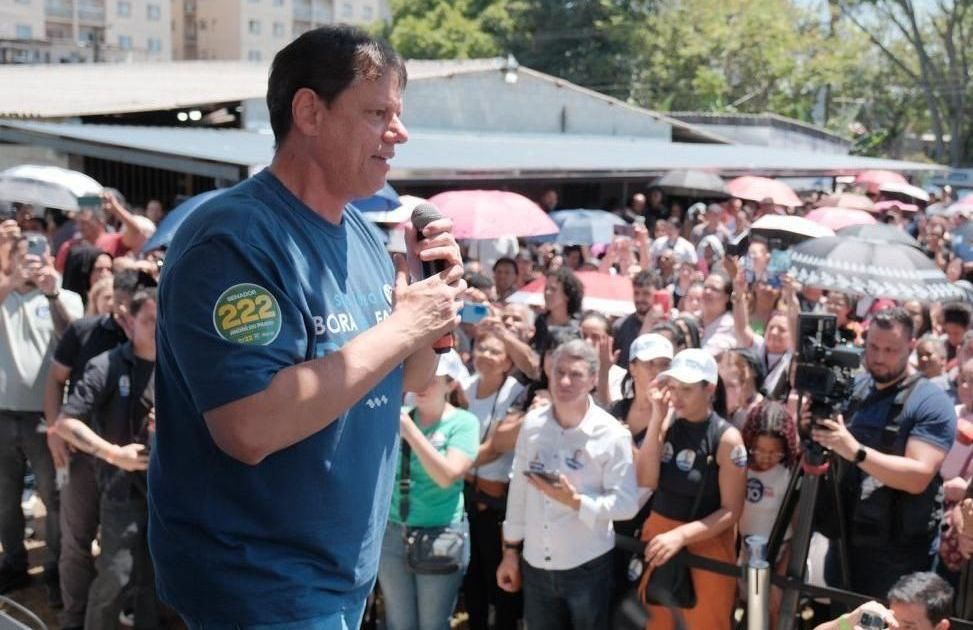
Sao Paulo Governor Tarcisio de Freitas has condemned President Luiz Inacio Lula da Silva's plan to ban online betting, calling the measure electoral opportunism.
Tarcisio, who is seeking reelection for the Republicanos party, made the remarks on Saturday during a meeting with housing movement leaders in the East Zone of the state capital.
He questioned what he described as a sudden sense of urgency from the federal government, arguing that a single week of announcements cannot erase four years of failure.
The governor also stated that he believed voters were immune to such political tactics. He argued that the Brazilian public does not want to live on repeated debt relief schemes that only address unpaid bills from the past.
Online gambling platforms, universally known in Brazil as bets, have expanded rapidly across the country, sparking intense national debate over household debt, consumer protection, and gambling addiction. Lula, the leftist leader of the Workers' Party, announced the federal ban amid mounting pressure from economists and health authorities. Tarcisio's reference to debt relief targeted Desenrola Brasil, the flagship debt renegotiation programme launched by Lula's administration to help citizens settle overdue consumer arrears.
Housing pledges for a second term
During the event, Tarcisio also set out social policy pledges for a potential second term in office, establishing a goal to build and deliver 150,000 homes across the state.
A designated portion of the new construction will go to families living in vulnerable and environmentally hazardous areas. The governor stated that 30,000 units would be built specifically for people currently residing on steep hillsides, on river floodplains, and in stilt homes in the coastal city of Santos.
Santos, home to the largest commercial seaport in Latin America, has struggled for decades with informal wooden stilt settlements known locally as palafitas, where residents face constant threats from rising tides, water pollution, and residential fires.
Tarcisio, a conservative former federal infrastructure minister under Jair Bolsonaro, governs Brazil's most populous and economically powerful state. His criticism underscores growing political friction between the state government in Sao Paulo and Lula's federal administration as both camps position themselves ahead of the upcoming election.