

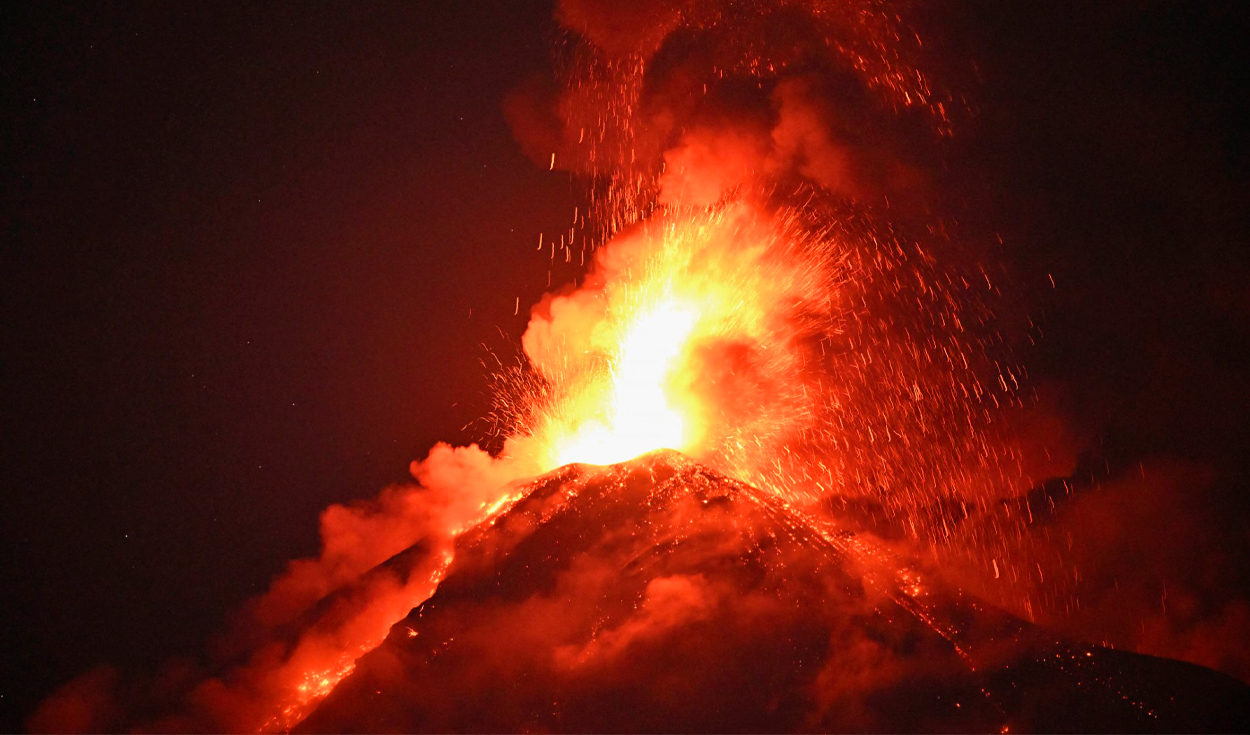
A scientific study conducted in Japan has found that Earth's supervolcanoes may slowly recharge with magma over thousands of years, challenging a theory long accepted about the end of their activity after a major eruption.
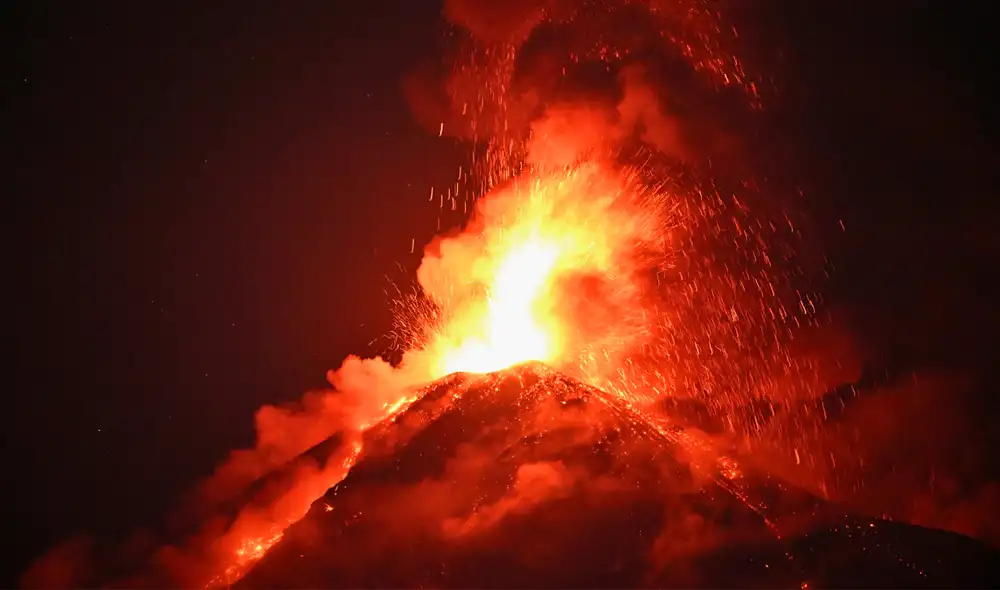
The research focused on the caldera of the submarine Kikai volcano, the site of one of the largest eruptions to occur in the last 10,000 years. The findings suggest these volcanic systems do not remain completely dormant but can accumulate magma again after a long period of rest.
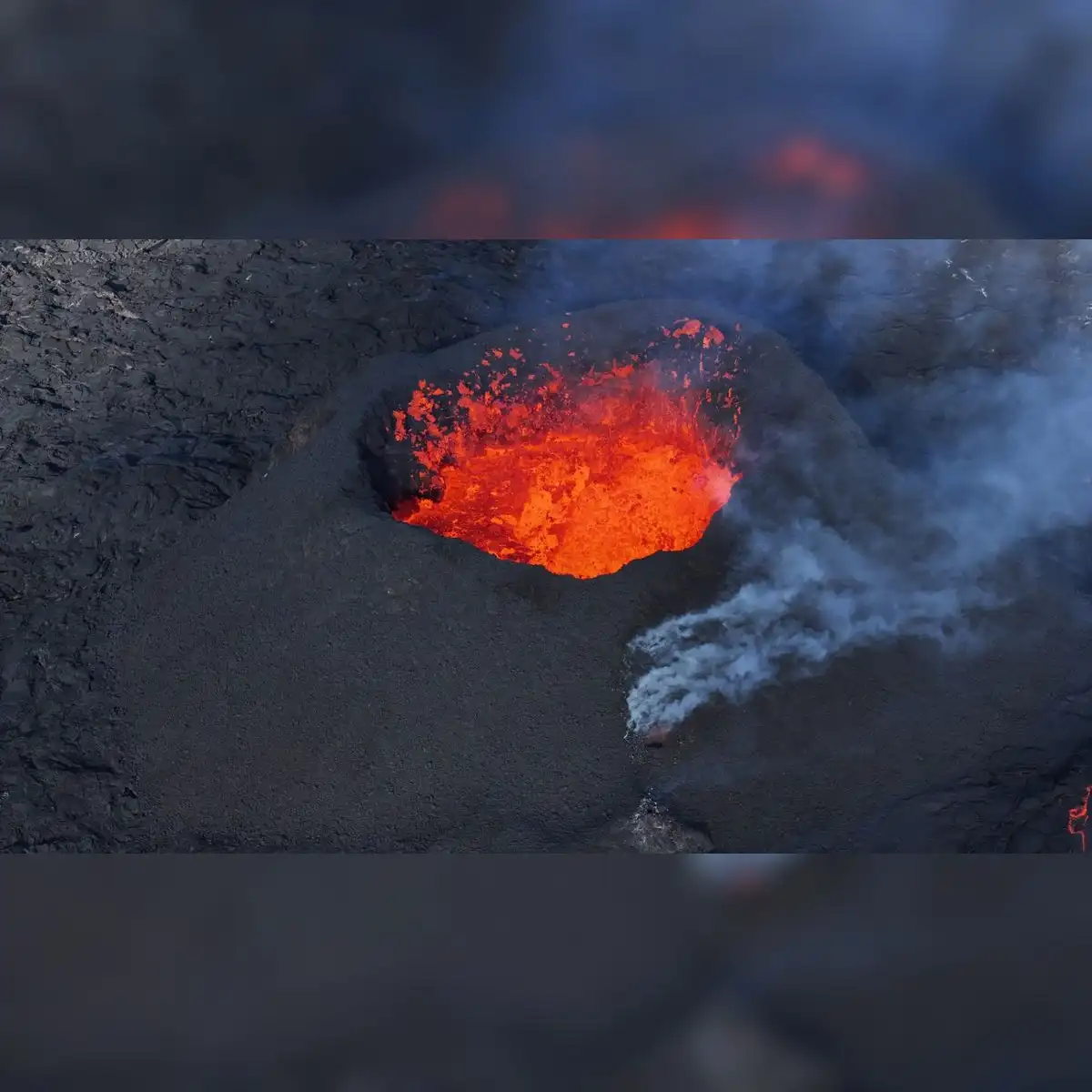
Why scientists think supervolcanoes refill with magma
About 7,300 years ago, the submarine Kikai volcano expelled roughly 183 cubic kilometers of magma, triggered a huge tsunami, and collapsed in on itself after losing much of the material that had supported its structure. For a long time, scientists believed a supereruption permanently emptied the magma chamber and marked the end of the volcanic cycle.
A study published in Communications Earth & Environment proposes a different explanation. The researchers say the reservoir that fed that giant eruption remained beneath the caldera and, over thousands of years, began receiving new injections of magma from a different source, starting a new recharging process.
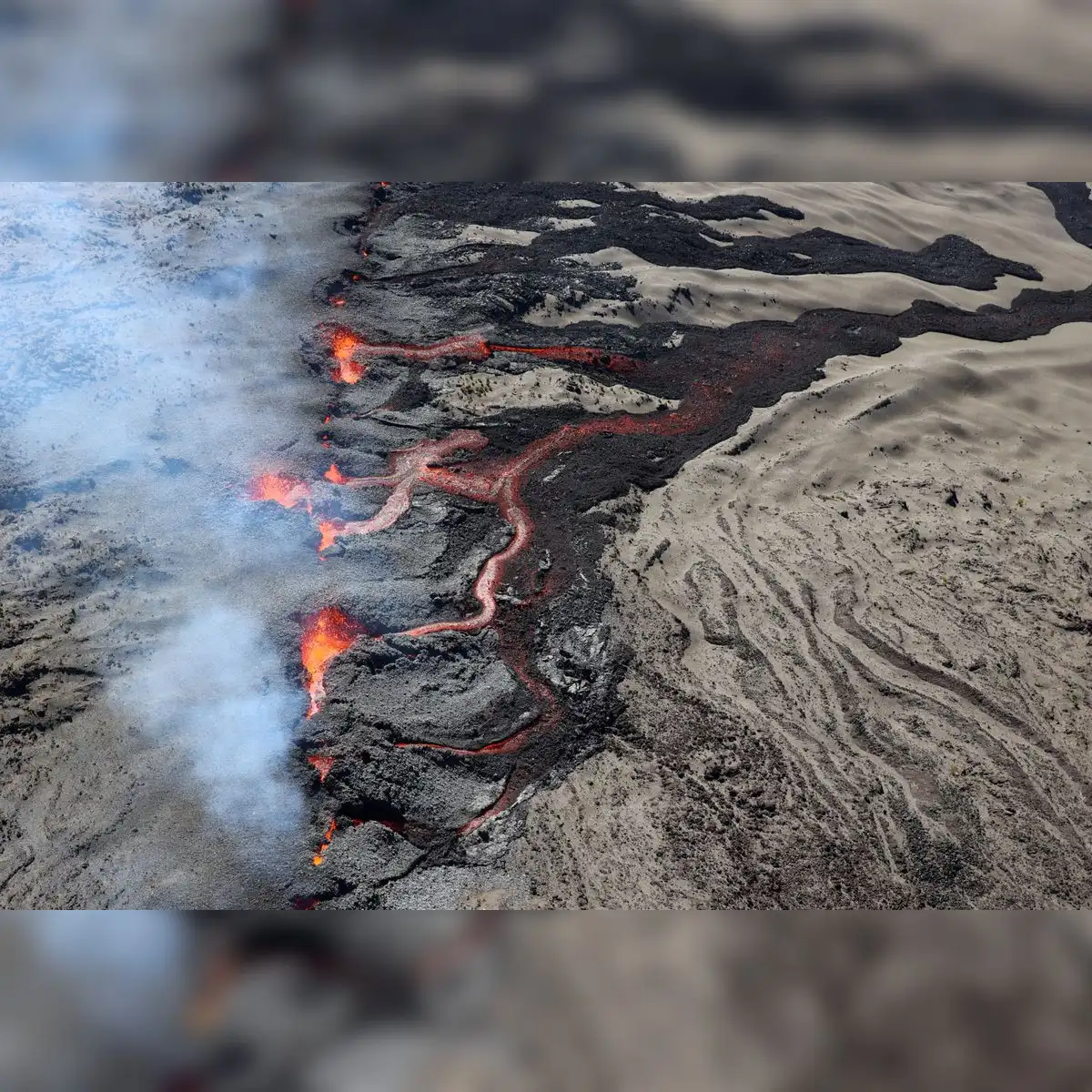
How researchers found a magma reservoir under Kikai
To test this hypothesis, the scientific team installed 39 seismometers on the seafloor along a 175-kilometer profile. They then analyzed how seismic waves behaved as they passed through the subsurface, a technique used to identify hidden structures beneath the Earth's surface.
The data revealed a region between 2.5 and 6 kilometers deep where the waves moved more slowly, a signal characteristic of very hot rock containing partially molten material. The authors estimate that only 3% to 6% of the reservoir remains in a liquid state, while the rest consists of partially crystallized rock.


