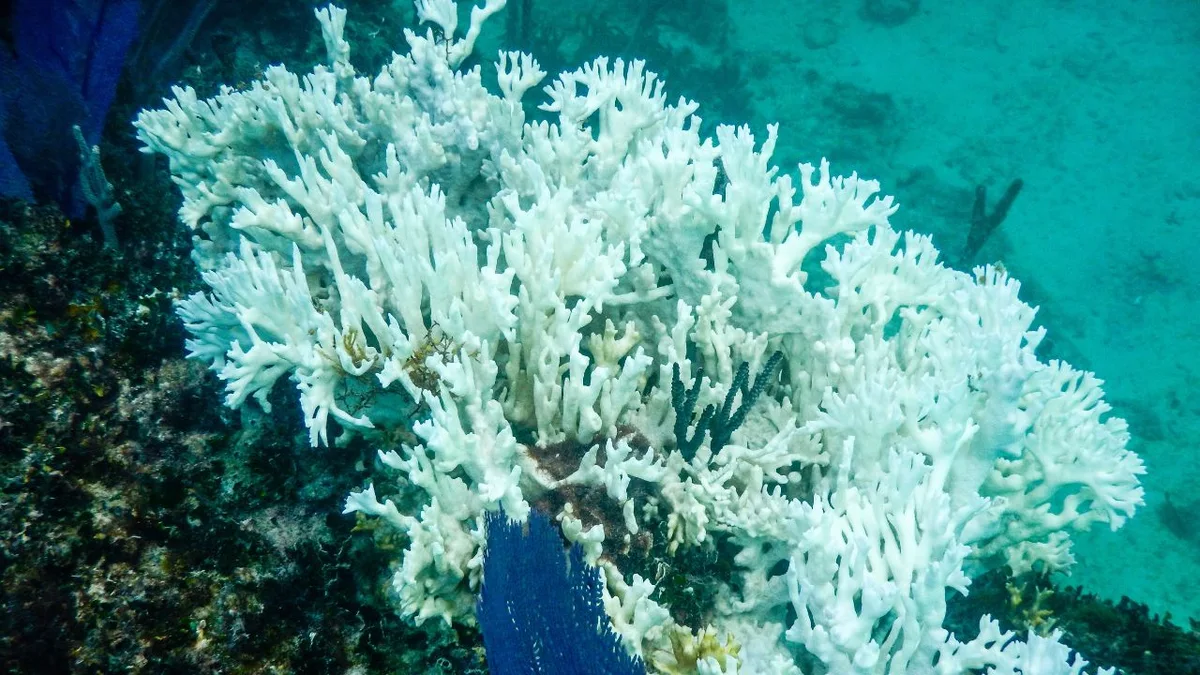
Scientists at Stanford University have found a way to save dying coral reefs in record time, by placing bleached coral fragments next to healthy ones from the same colony.
Coral gets its bright colours from two sources: symbiotic microalgae called zooxanthellae that live inside its tissue and carry photosynthetic pigments, and fluorescent proteins produced by the coral itself, which also shield it from intense sunlight and oxidative stress. When a coral turns white, it has gone through a process called coral bleaching, which happens when it loses its zooxanthellae, usually because of rising water temperatures linked to climate change and marine heatwaves. A bleached coral looks dead but is usually still alive, just badly weakened.
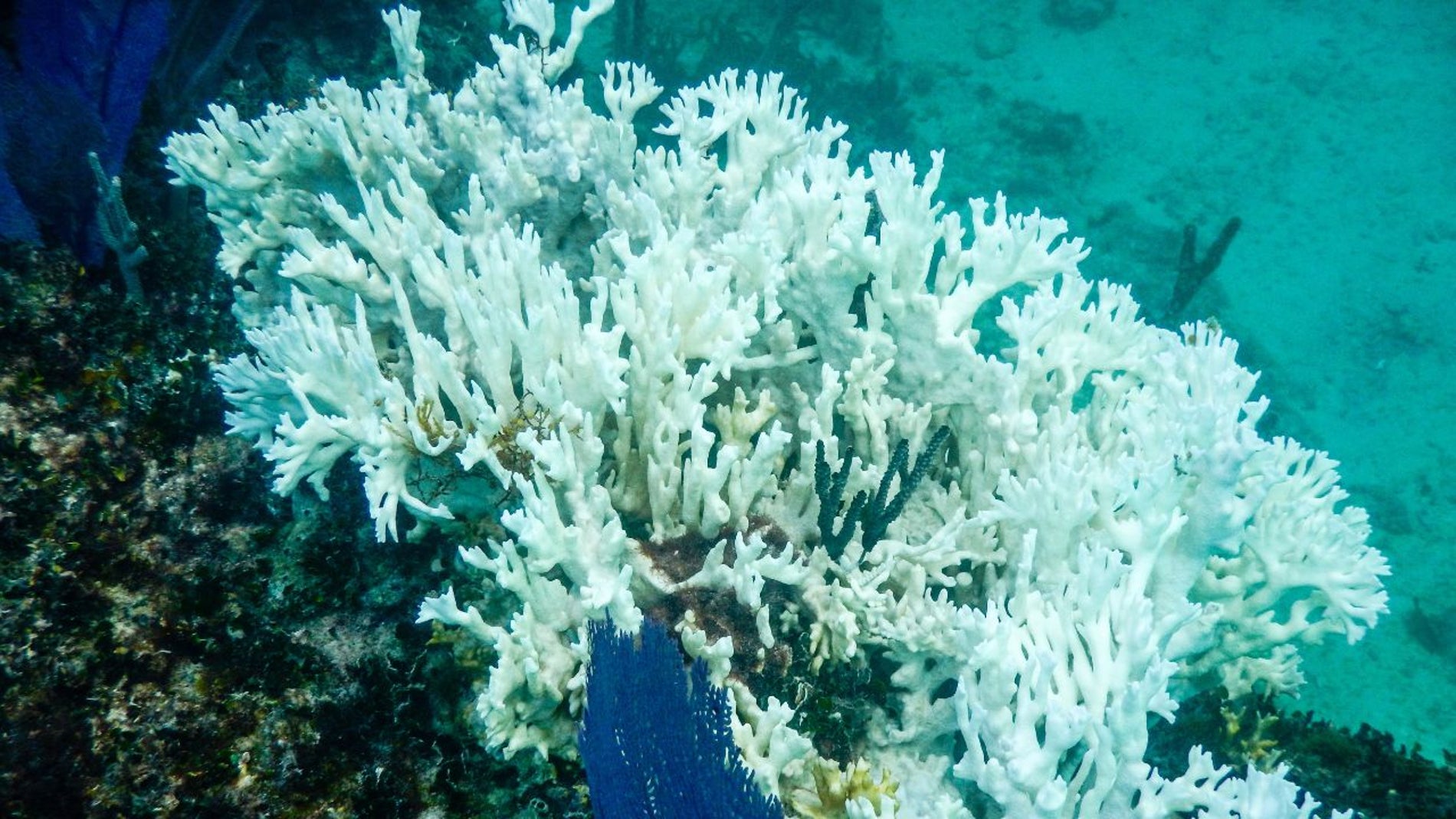
If conditions return to normal and water temperatures fall, the algae can sometimes return to the coral, allowing it to recover over several months. But if heat stress continues instead, the coral is most likely to die. Danny Collins, a PhD student at Stanford, said that although bleached corals might be dying, they were not yet dead, and that the question he and his colleagues wanted to answer was what could be done for a coral once it had bleached.
An accidental discovery
The breakthrough happened by chance. In 2025, Steve Palumbi, a professor of oceans and a marine biologist at Stanford's Doerr School of Sustainability, noticed two pieces of coral that had fallen against each other in a laboratory tank. One was healthy and the other was bleached, but where the two touched, the bleached coral began to regain its colour.
That observation led Collins to set up ten pairs of coral fragments, each pair made up of one healthy and one bleached fragment from the same colony. Five pairs were placed in direct contact, while the rest were kept a few millimetres apart. After seven weeks, all five bleached fragments that had been touching their healthy clones had recovered, while those kept apart had died.
Examining the corals closely under a microscope, the researchers found that the touching fragments had fused together, creating small channels that let algae and nutrients pass from one to the other. Within three days, beneficial algae had begun moving from the healthy corals into the bleached ones, and within a week some fragments had received enough algae to recover on their own. Palumbi said the algae arrived en masse and began dividing at the fastest rate ever observed in corals.
Why coral reefs matter
Coral reefs cover less than one percent of the ocean floor but are vital to life on Earth and to the planet's balance. Although long mistaken for plants or rocks because of their static appearance, corals are actually colonies made up of thousands of identical tiny animals called polyps, classified into two types, stony and soft. Reefs are home to close to 25 percent of all marine species on the planet and serve as breeding grounds, shelters and nurseries for thousands of animals. If reefs disappeared, many of those species would disappear with them.
The bad news is that 44 percent of the world's reef-building coral species are at risk of extinction, according to the International Union for Conservation of Nature's Red List of Threatened Species. That matters because, besides acting as natural barriers that blunt the force of waves, storms, hurricanes and tsunamis and protect coastal communities from erosion and flooding, reefs support more than 500 million people worldwide through fishing, tourism and other local economic activity.
Threats driving reef decline
The dangers facing coral come from rising water temperatures, which cause corals to expel the algae that feed and colour them, leading to starvation and death, as well as from ocean acidification, which makes it harder for corals to build and maintain their calcium carbonate skeletons. Plastic pollution is also a factor. Because of heat stress, some experts warn that up to 90 percent or more of the world's reefs could be lost or severely threatened by 2050.