


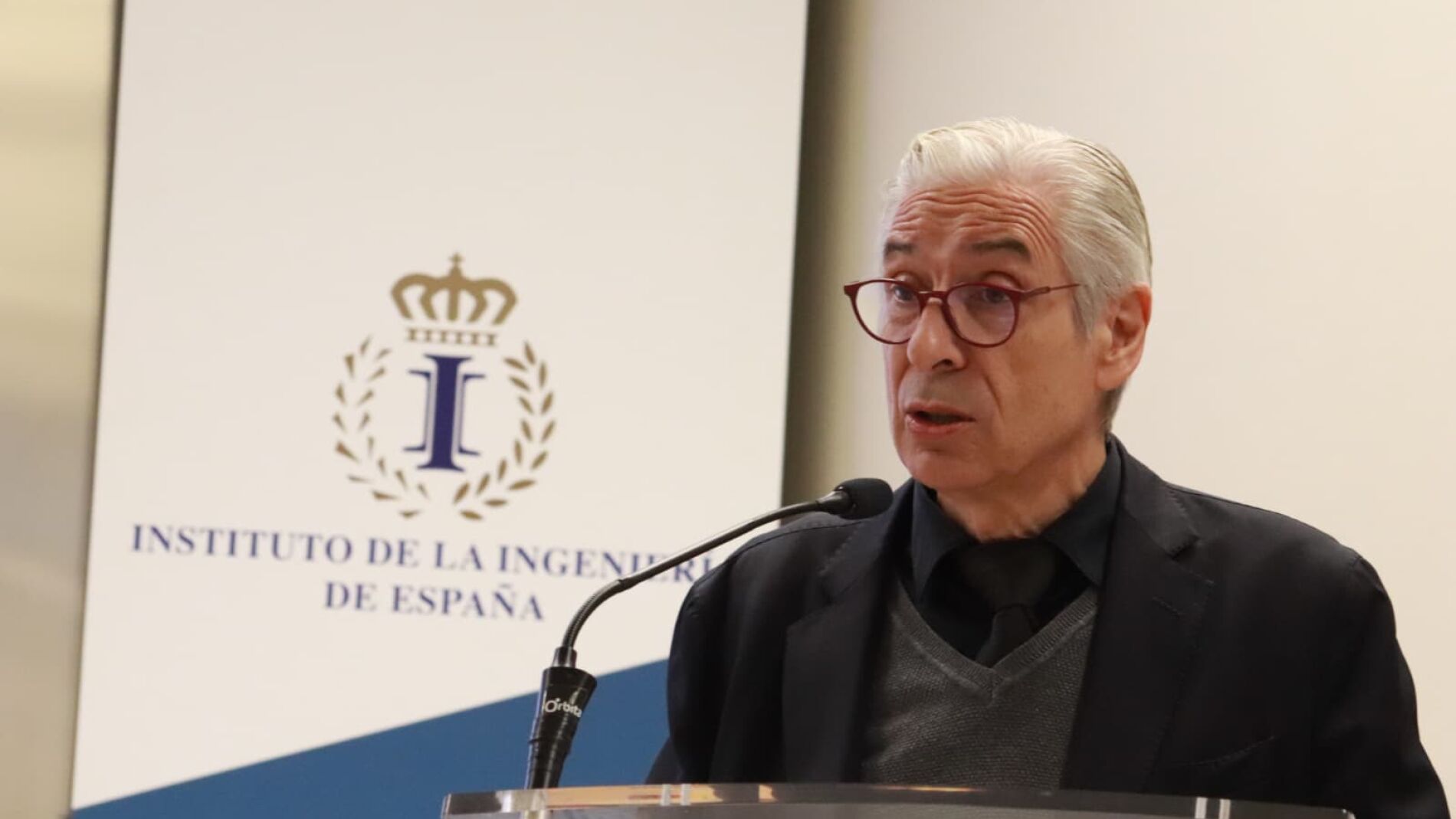
Spain must immediately adopt European seismic building rules following two 4.8 magnitude earthquakes in Granada, civil engineering official Ramiro Aurín has urged.
Aurín, a board member of the Association of Civil Engineers, warned that Spain's current earthquake-resistant standard, NCSE-02, is obsolete after remaining unchanged since its approval in 2002. He urged authorities to replace it with Eurocode 8, the updated European standard designed to prevent building collapse during severe quakes.
The recent seismic activity in Granada, which featured two 4.8 magnitude earthquakes accompanied by multiple aftershocks, ended years of relative seismic calm in Spain. Aurín stated that these quakes serve as a serious warning for the country to establish a preventive safety culture before a larger earthquake occurs with unpredictable consequences.
Seismic history and regional vulnerability
Historical records show that seismic activity is normal and recurring across southeastern Spain, particularly in the Vega de Granada, the Segura valley reaching towards Alicante, and Almeria.
Comparing three major earthquakes in the region, including the 1956 Albolote-Atarfe quake, the 2011 Lorca quake, and the 2026 Granada-Alhendin quake, Aurín noted that progressive building codes have improved the performance of modern structures.
In both Granada in 2026 and Lorca in 2011, basic building failures were non-structural, involving facades, overhanging elements, and ornamental features rather than main load-bearing frames. However, non-structural damage in Lorca resulted in nine deaths.
The horizontal ground acceleration in Lorca was significantly higher than in Granada, playing a fundamental role in building responses. All three earthquakes had very shallow hypocenters, causing intense destruction directly above the epicenter while limiting the broader regional impact, unlike earthquakes observed in Colombia.
Threat of higher magnitude earthquakes
Aurín warned that a magnitude 6 earthquake is entirely possible in Spain and would release 30 times more energy than the 2011 Lorca quake.
Such a quake would cause very significant damage to older properties. While structures built under the 2002 Spanish code would perform better, that standard remains insufficient for non-structural elements and offers far less safety than Eurocode 8.
While modern buildings constructed with updated technical criteria generally perform much better, older building stock erected under previous standards presents severe vulnerabilities. Aurín stressed that Spain is better prepared than in 1956, but significant work remains necessary before a larger disaster occurs.
Adopting European Eurocode 8 standards
Eurocode 8 is the unified European standard for earthquake-resistant design, emphasizing structural ductility, resistant hierarchy, and damage control.
Aurín explained that the primary goal of Eurocode 8 is to protect human life by ensuring buildings can deform and absorb seismic energy without sudden, fragile collapse, allowing occupants time to evacuate safely. It does not promise zero damage, as severe quakes inevitably cause structural damage.
Spanish engineers contributed significantly to the design of Eurocode 8, and the standard is already taught in Spanish universities. Aurín emphasized that Spain should not remain the only European Union member state with seismic protections falling below Eurocode 8 standards.
Protecting critical infrastructure and housing
Vulnerability across Spanish towns and cities increases with building age and specific structural designs, such as open ground floor layouts, fragile facades, and weak cladding materials.
Housing stock is particularly exposed because residential buildings rarely incorporate safety measures beyond basic compulsory regulations, whereas public works projects occasionally apply higher standards.
Aurín called for urgent technical audits of critical infrastructure in high-risk zones, including hospitals, schools, power stations, telecommunications networks, and public utility services. He noted that authorities currently do not know the exact response capacity of these essential facilities.
Because critical infrastructure must remain operational during emergencies, its failure would double the impact of a disaster. Auditing and reinforcing these public assets must be a top preventive priority.
Historic heritage and private property reinforcement
Granada combines historic monuments with housing built over past decades. Aurín pointed out that while historic sites like the Alhambra behave admirably during quakes, several local churches have suffered damage, partly due to underlying ground soil conditions.
Updating administrative rules for future construction is quick, easy, and carries no added cost, but Aurín warned that relying on future rules instead of reinforcing existing buildings is a fallacy. New regulations cannot automatically fix existing structural hazards.
To address existing risks, Aurín proposed technical inventories to identify vulnerable buildings and systematic seismic audits for all public infrastructure. He also recommended financial aid, subsidies, and dedicated reinforcement programs to help private property owners upgrade vulnerable buildings.
Immediate actions for government authorities
Aurín outlined three concurrent actions required immediately: modernizing regulations to adopt Eurocode 8, auditing building stock in high-risk zones, and prioritizing reinforcements for vulnerable buildings and critical infrastructure.
He criticized the recurring pattern where seismic risk gains public attention for a few days after an earthquake before being forgotten. He called this memory loss dangerous in high-risk zones.
Calling the Granada quakes a serious warning without a tragedy, Aurín urged municipal and regional governments to conduct audits, national ministries to update legislation, and technical professionals to speak out for public safety rather than remaining silent.


