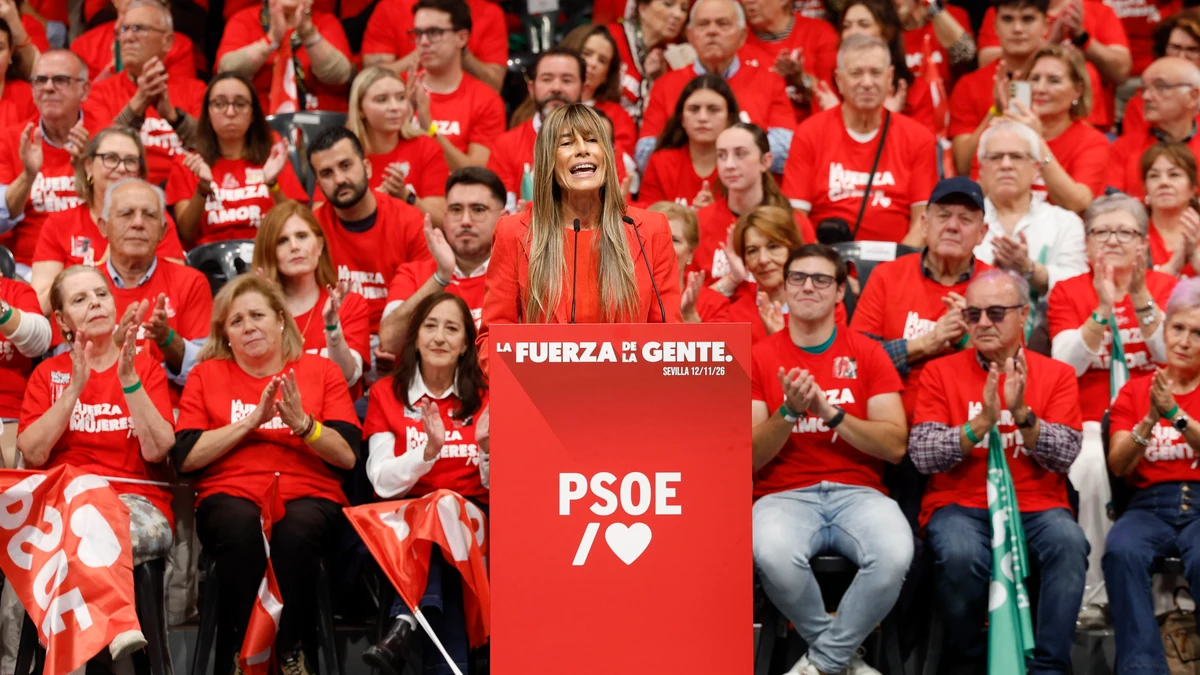
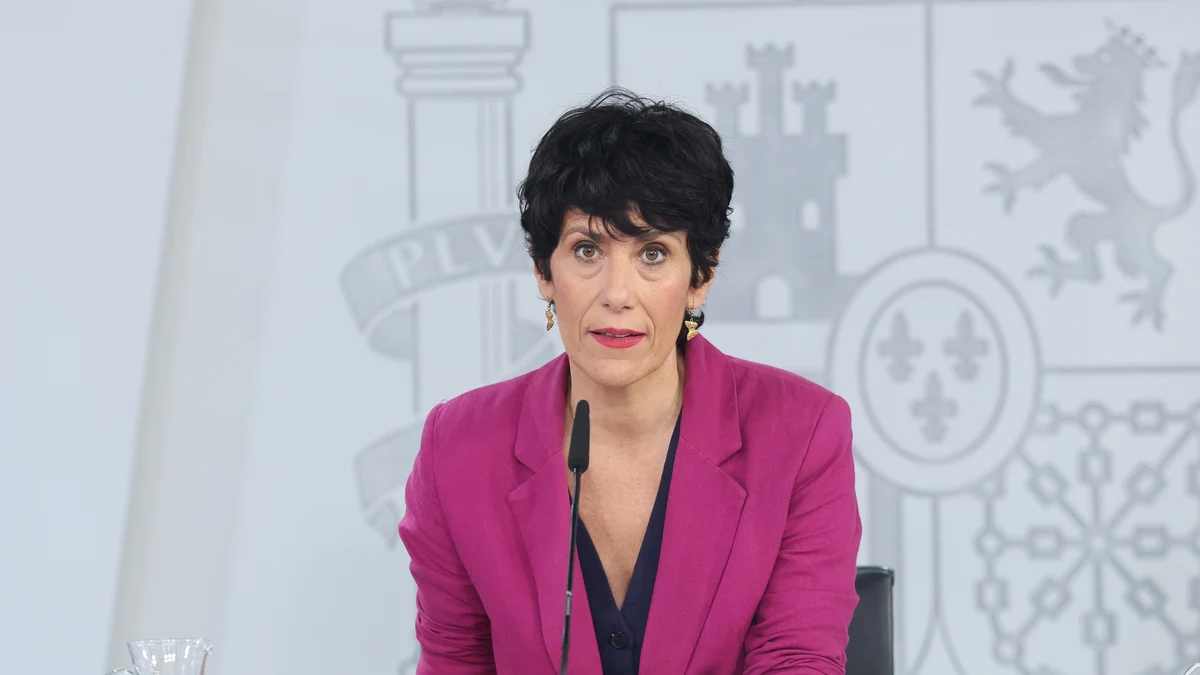
Spanish Prime Minister Pedro Sánchez has repeatedly called on the Popular Party (PP) and the far-right Vox party to commit to accepting the result of Sunday's general election, according to an opinion column by writer Jorge Fernández Díaz. The columnist asked why such a commitment should even be necessary, unless someone had a rigged vote, or "pucherazo," already prepared.
Fernández Díaz's column, published in the Opinion section on November 25, 2026, centred on a series of government measures rolled out in the final stretch of campaigning for Spain's November 29 general election, often called "29N." He said the measures were designed to shore up support for the governing Spanish Socialist Party, known as PSOE.
A government spokesperson said the aim of the measures was to concentrate the progressive vote on PSOE. Fernández Díaz noted that what was new was not the measures themselves but the fact that they were being approved in Council of Ministers meetings held at a rate of two per week, during the election campaign itself.
Policies PSOE is accused of copying
Ada Colau, the candidate for the left-wing Frente Amplio coalition and a former mayor of Barcelona, said PSOE had taken policies directly from her platform. She listed a tax on the ultra-wealthy, a universal childcare benefit, a reduction in the working week, spending equal to 1% of gross domestic product on public housing, and new taxes on so-called "vulture funds" and large property owners.
Fernández Díaz wrote that the government's credibility on such promises was already weak given what he called Sánchez's record of inconsistency with the truth, making the new pledges harder still to believe.
New leave benefits approved
The day before the column was published, the cabinet meeting at La Moncloa, the seat of the Spanish government, approved raising paid birth leave to 20 weeks and introducing 10 days of bereavement leave following the death of a family member.
Fernández Díaz said any outside observer encountering this behaviour for the first time would struggle to understand how someone governing this way had remained in charge at La Moncloa, and as leader of PSOE at its headquarters in Ferraz, for more than eight years.
A strategy to stay as opposition leader
The columnist argued that Sánchez's real electoral strategy is to absorb the entire left-wing vote around him. The goal, he wrote, is not necessarily to govern again but to secure a result that keeps Sánchez in charge of PSOE and installs him as leader of the opposition.
He pointed to opinion polls, which he said, with exceptions he did not specify, forecast a clear lead for the combined anti-Sánchez vote of PP and Vox ahead of Sunday's election. He argued that if Sánchez genuinely expected to win and remain in government, he would be competing for opposition voters rather than for those of his own allies.
Warning to the opposition
Despite the polling lead he described for PP and Vox, Fernández Díaz warned the opposition against a relaxed final stretch of the campaign. He said Spanish democracy had never before seen a campaign of this kind, pointing to the so-called "ley de nietos," a law extending Spanish citizenship to descendants of Spaniards who emigrated abroad, and to the CERA postal voting system used by Spanish citizens living overseas, as examples of practices he said should not be repeated.
Sánchez's call to accept the result
The column closed by returning to Sánchez's repeated calls on PP and Vox to commit to accepting the verdict of the ballot box. Fernández Díaz said the question worth asking in return was whether there was any real reason to doubt that commitment, or whether someone had a rigged vote prepared. He described the matter as very serious.
What happens next
Spain holds its general election on Sunday, November 29, 2026.
Test yourself
What did Ada Colau accuse PSOE of doing with her policies?
What bereavement leave benefit did the Spanish cabinet approve?
According to the article, when is Spain's general election?
Where it happened
Madrid, Spain