
Skip to content

News with true faith

Politics

Russia moves key firms to Kazakhstan after drone strikes

Russian companies are relocating operations to Kazakhstan following months of Ukrainian drone strikes on energy and retail infrastructure across Russia.

Russia moves key firms to Kazakhstan after drone strikes

Russian businesses are moving strategic operations and warehouse facilities to Kazakhstan following months of Ukrainian drone strikes on infrastructure targets across Russia.

Moscow has opened talks with Astana to refine Russian crude oil at Kazakh refineries amid regional fuel shortages, while e-commerce giant Wildberries seeks warehouse space after more than a dozen of its logistics hubs were hit.

Warehouse expansion and logistics relocation

Kazakhstan Minister of Trade and Integration Arman Shakkaliyev confirmed that 260,000 square metres of warehouse space will be constructed for Wildberries in Kazakhstan as part of a long-term expansion project.

The move comes after repeated Ukrainian drone strikes targeted facilities operated by Wildberries, Russia's largest online retailer, causing severe damage to logistics hubs across multiple Russian regions.
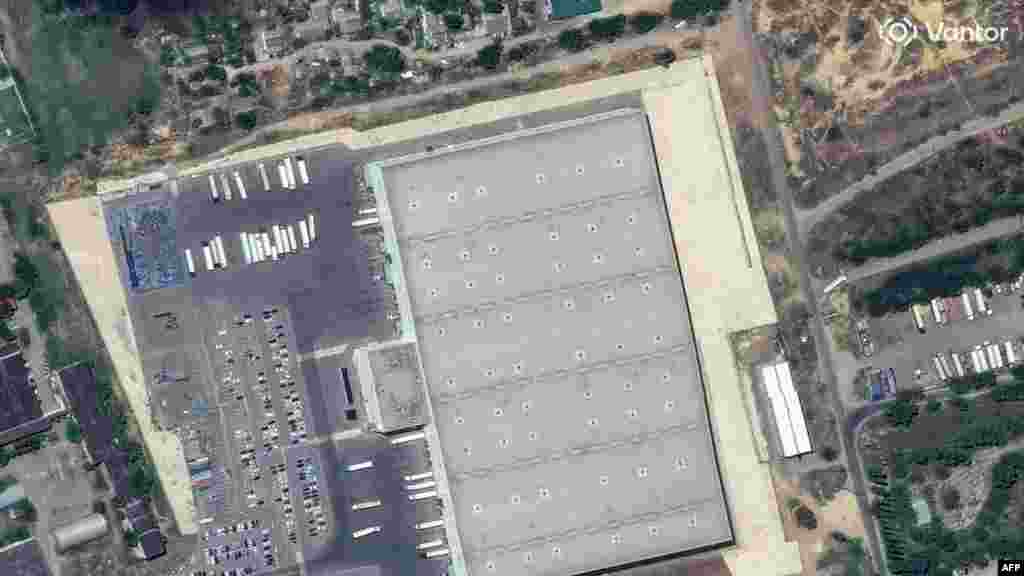
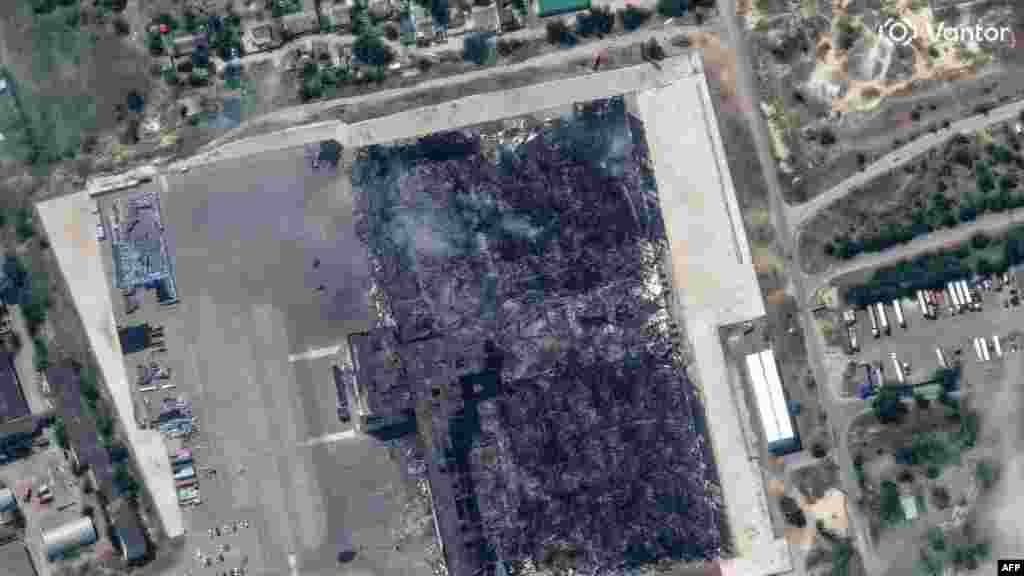
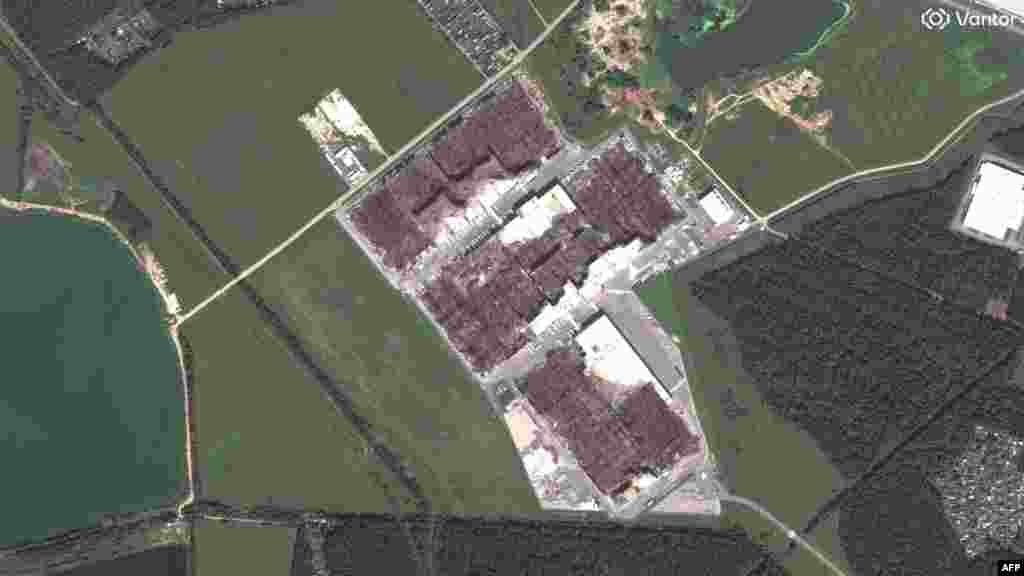
Satellite imagery from Vantor shows a Wildberries warehouse in Volgograd, Russia, on July 14 and August 1, following Ukrainian drone strikes.

Satellite imagery captured by Vantor shows extensive destruction at a Wildberries warehouse in Volgograd following Ukrainian drone strikes in mid-July and early August.
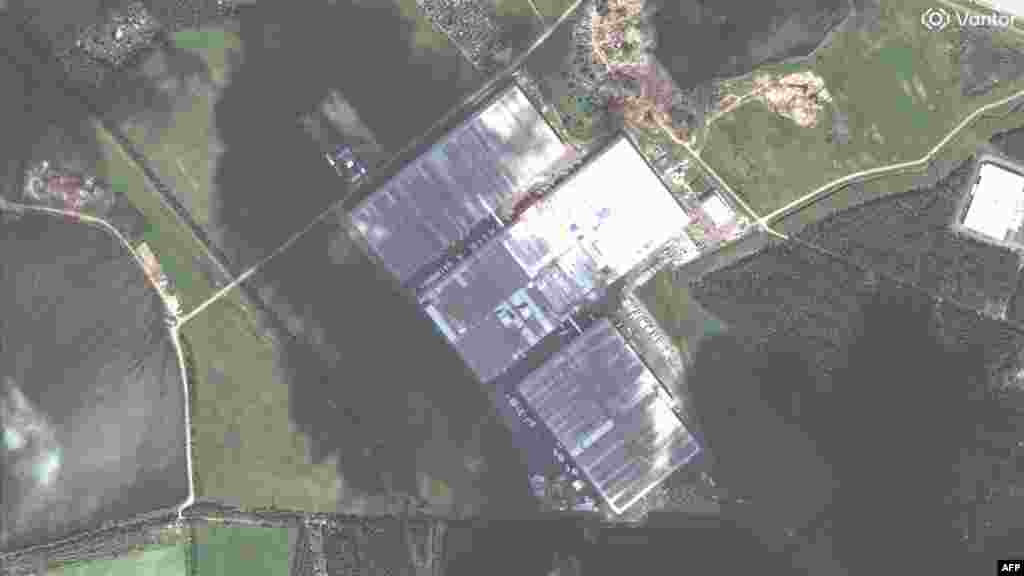
A Wildberries warehouse in Elektrostal, Russia, on May 16, before the attack, and on August 5, after the drone strike. The imagery shows the facility almost completely burned after a late July fire.

In Elektrostal, satellite photos show a Wildberries logistics facility almost completely destroyed by fire following drone strikes in late July and early August.
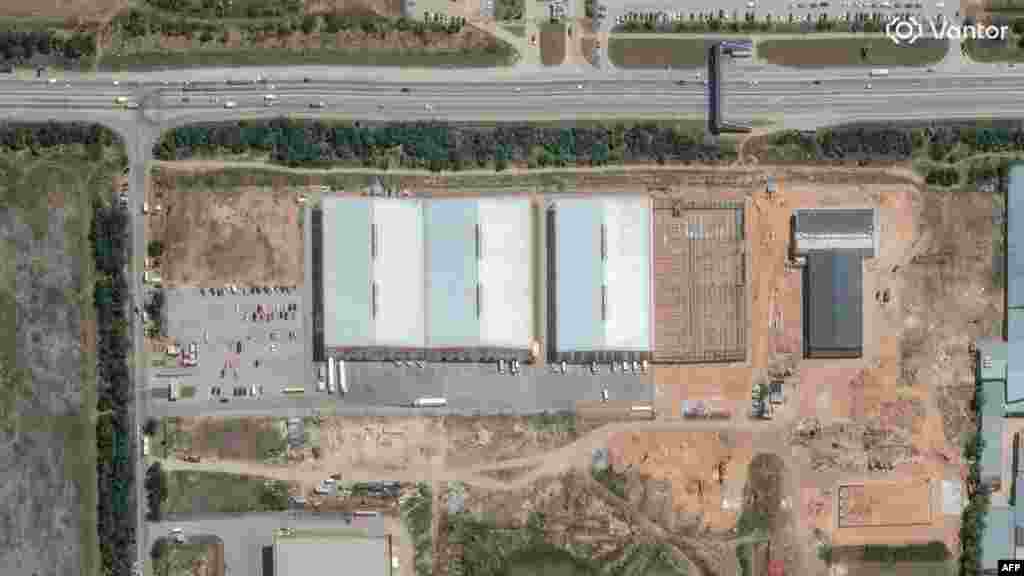
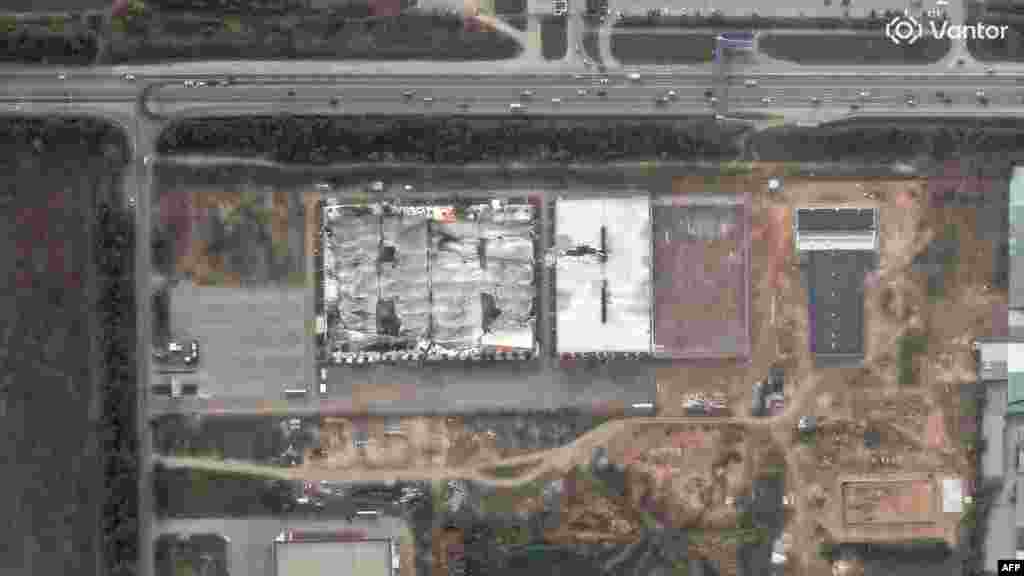
Satellite imagery provided by Vantor shows a Wildberries warehouse in occupied Crimea in Simferopol on July 22 and August 4, after a drone strike.

Images provided by Vantor also record damage at a Wildberries facility in Simferopol, located in occupied Crimea, after drone attacks between late July and early August.
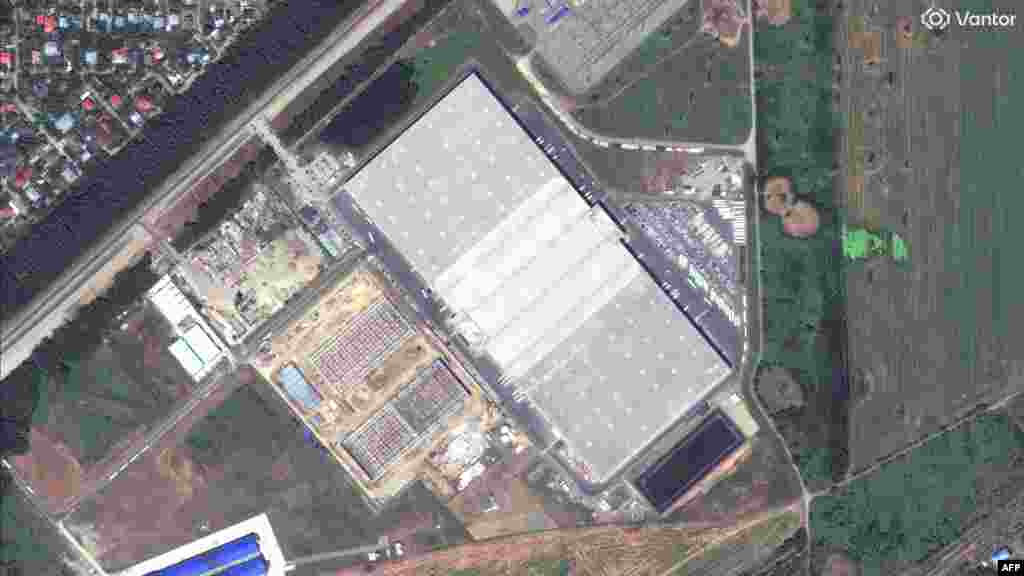
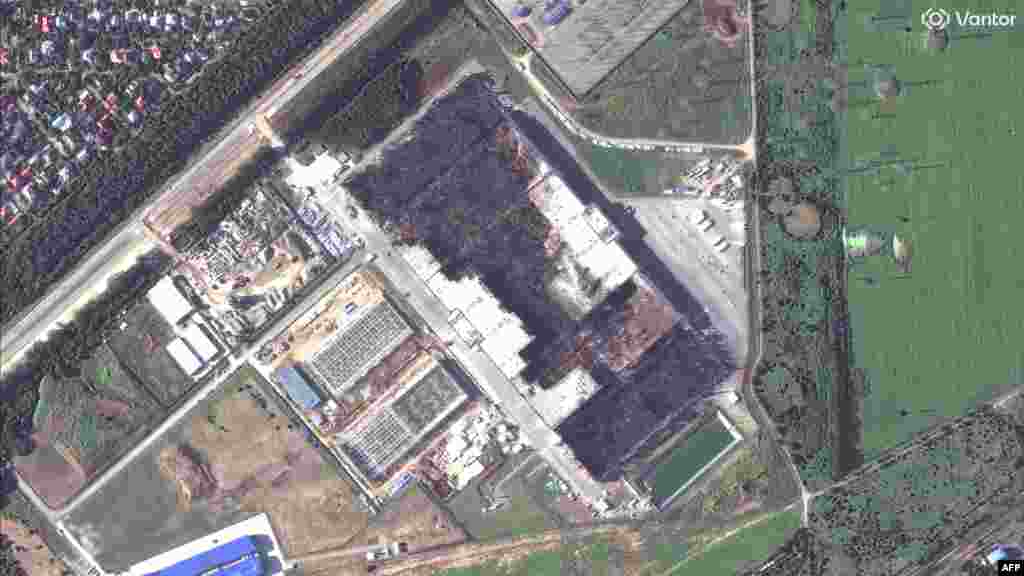
A Wildberries warehouse in Krasnodar, Russia, on July 21, before the strike, and on August 5, roughly two weeks after a Ukrainian drone strike.

A Wildberries site in Krasnodar suffered significant damage following a drone attack in July, as documented by satellite imagery taken roughly two weeks later.
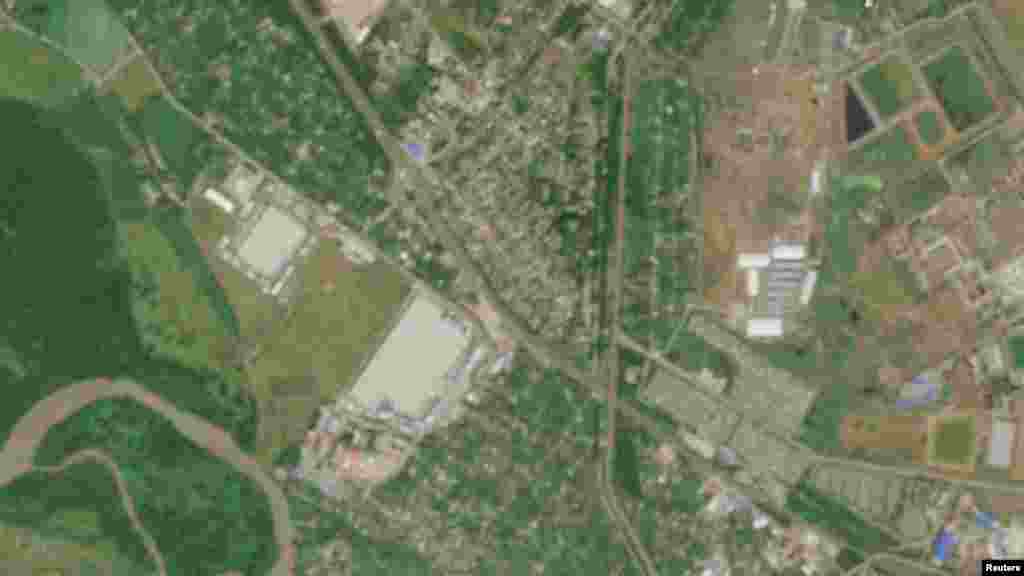
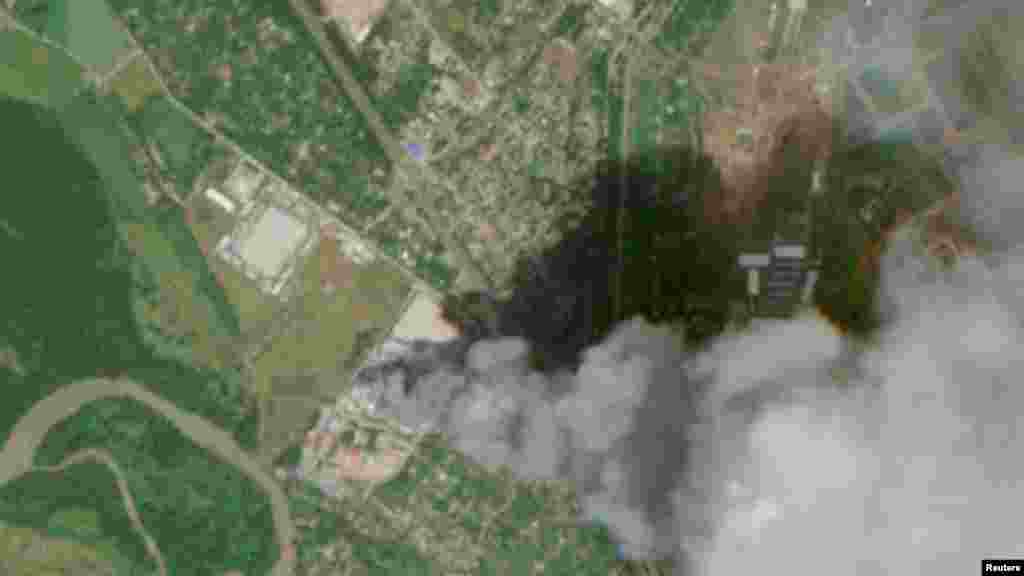
A satellite image from July 22, 2026, shows a plume of smoke rising over a Wildberries warehouse in Nevinnomyssk, Russia. The image was captured by the European Union's Copernicus Sentinel-2 satellite.

European Union Copernicus Sentinel-2 satellite images captured a large plume of smoke rising above a Wildberries warehouse in Nevinnomyssk after a July strike.
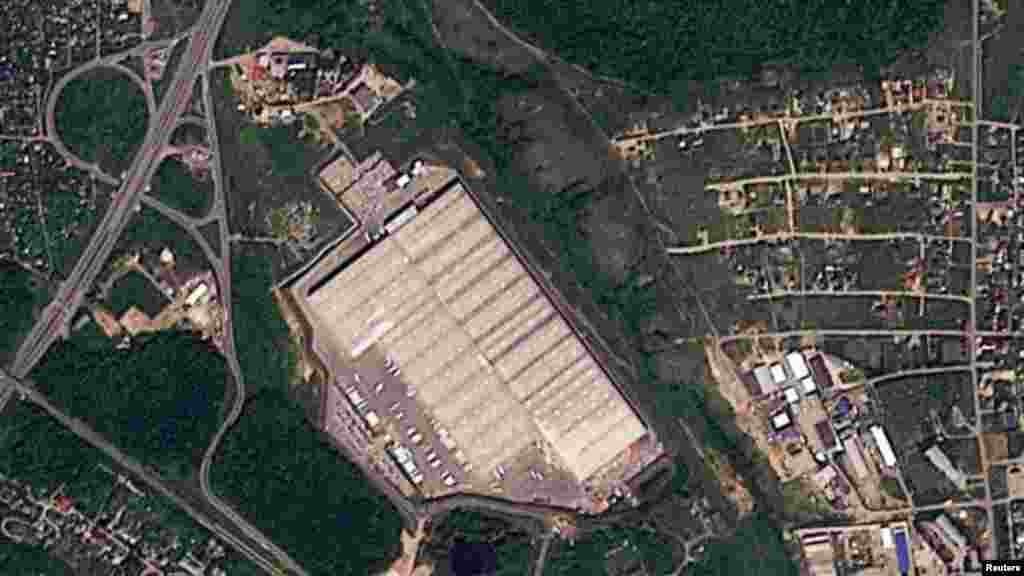
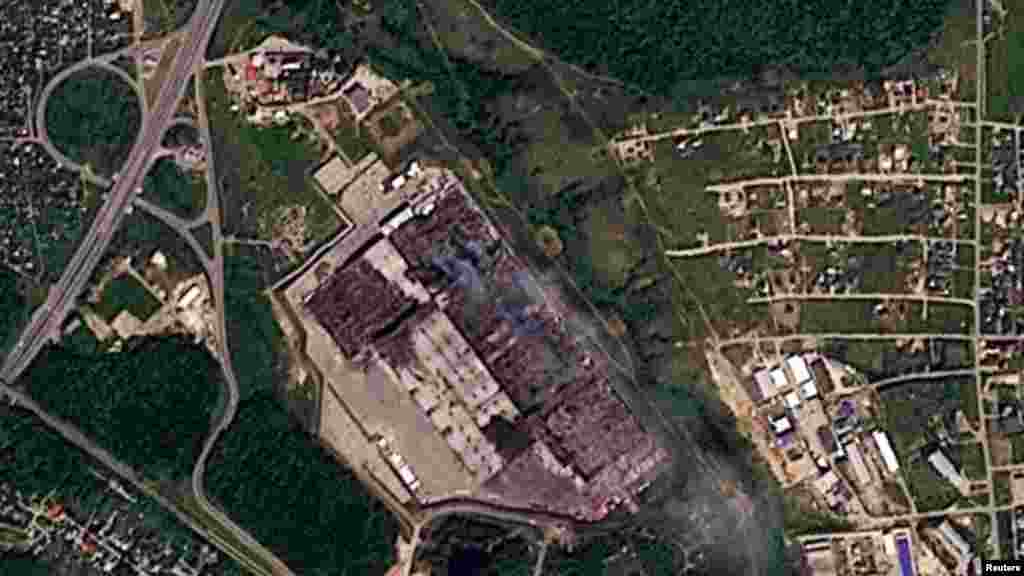
Satellite images published by Planet Labs PBC show a Wildberries facility in the village of Novosemeykino in Russia's Samara region before and after Ukrainian drone strikes on August 2.

Planet Labs PBC satellite photographs revealed damage to another Wildberries property in Novosemeykino, located in the Samara region, following attacks in early August.
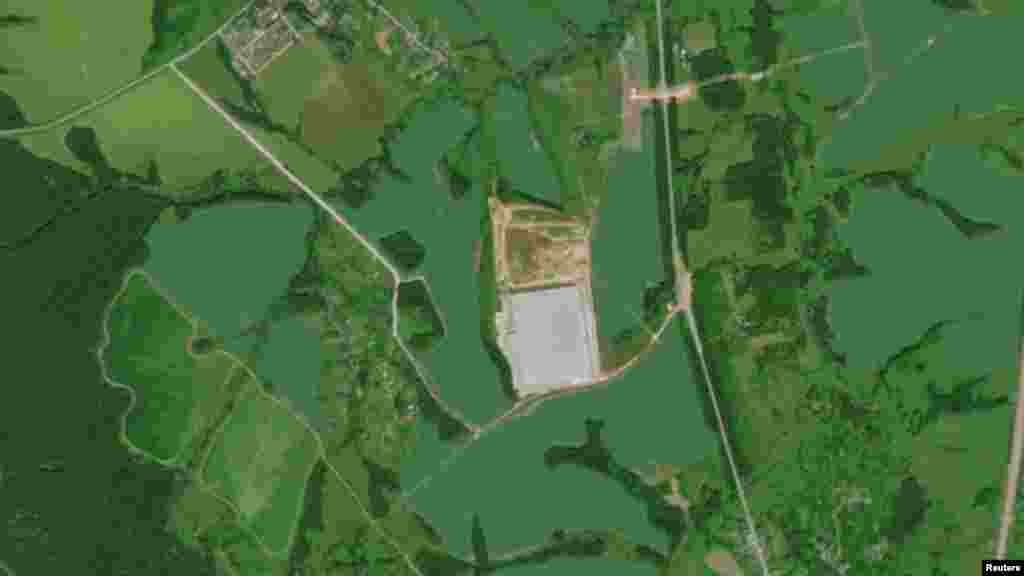
Smoke rises over a Wildberries facility in the city of Aleksin, Russia, on August 6. Another image captured by the European Union's Copernicus Sentinel-2 satellite shows the facility before the July 19 attack.

Further damage was recorded at a Wildberries location in Aleksin, where satellite imagery showed smoke rising above the complex after an August drone strike.

Strategic regional shifts and border links

Russia and its commercial enterprises have explored moving operations to several Central Asian nations, but Kazakhstan has emerged as the primary destination. Kazakhstan shares the world's longest continuous international land border with Russia, extending approximately 7,644 kilometres.

Western governments have increased their focus on Central Asia since 2023, seeking economic and political opportunities that opened up after Russia's full-scale invasion of Ukraine in February 2022. While Central Asian nations have preserved strong ties with Moscow, they have also moved to diversify their international relations.

The deepening economic ties offer mutual benefits, as Ukrainian attacks have disabled key Russian oil refining plants used by Kazakh petroleum companies. Most of Kazakhstan's exported crude travels through Russia via the Caspian Pipeline Consortium, which has suffered multiple operational disruptions during the conflict.

Sanctions risks and economic balancing

Temur Umarov, a fellow at the Carnegie Russia Eurasia Center, told Radio Free Europe / Radio Liberty that Astana has consistently sought to balance economic and political ties with Russia while avoiding actions that could draw it into Moscow's conflict with the West or compromise its sovereignty.

Umarov said that while moving Russian businesses into Kazakhstan creates complex challenges, Kazakh officials understand the risks of becoming a transit hub for activities that help Russia mitigate war impacts or Western restrictions. He added that Kazakhstan is likely to evaluate proposed cooperation on a case-by-case basis while maintaining its multi-vector foreign policy.

Kazakh economist Aidar Alibaev warned that expanding economic ties carries potential risks for Kazakhstan. While discounting the threat of direct Ukrainian strikes on Kazakh territory, Alibaev noted that warehouses could be utilized to store or ship military goods, exposing Kazakhstan to Western sanctions.

Suyundik Aldashev, chairman of the Kazakh Senate Committee on Economic Policy, told Radio Free Europe / Radio Liberty that Kazakhstan will prioritize its own economic stability when considering decisions regarding Russia.

Diplomatic stance and peace proposal

Kazakhstan continues to emphasize neutrality in the Russia-Ukraine war, which has entered its fifth year.

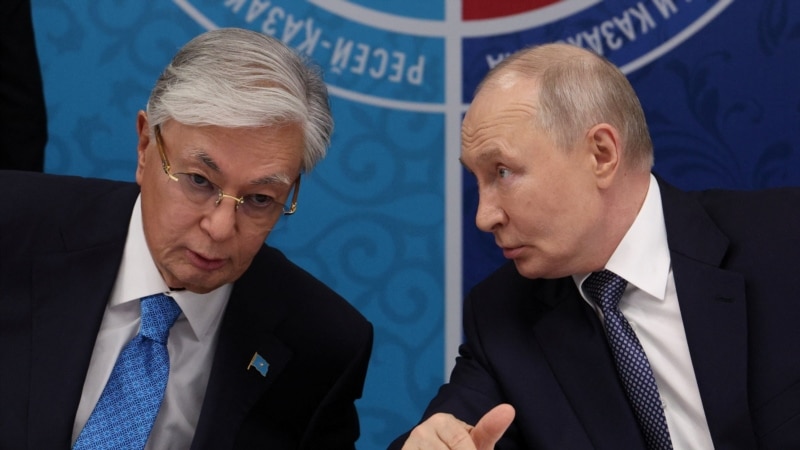
Late last month, during a meeting with Russian President Vladimir Putin at the 22nd Russia-Kazakhstan Interregional Cooperation Forum in Omsk on July 25, 2026, Kazakh President Kassym-Jomart Tokayev proposed a temporary freeze along the front line in Ukraine and a return to negotiations, observing that it was a pity that young people were dying.
Related

Leave a comment

Your email address will not be published. Required fields are marked *