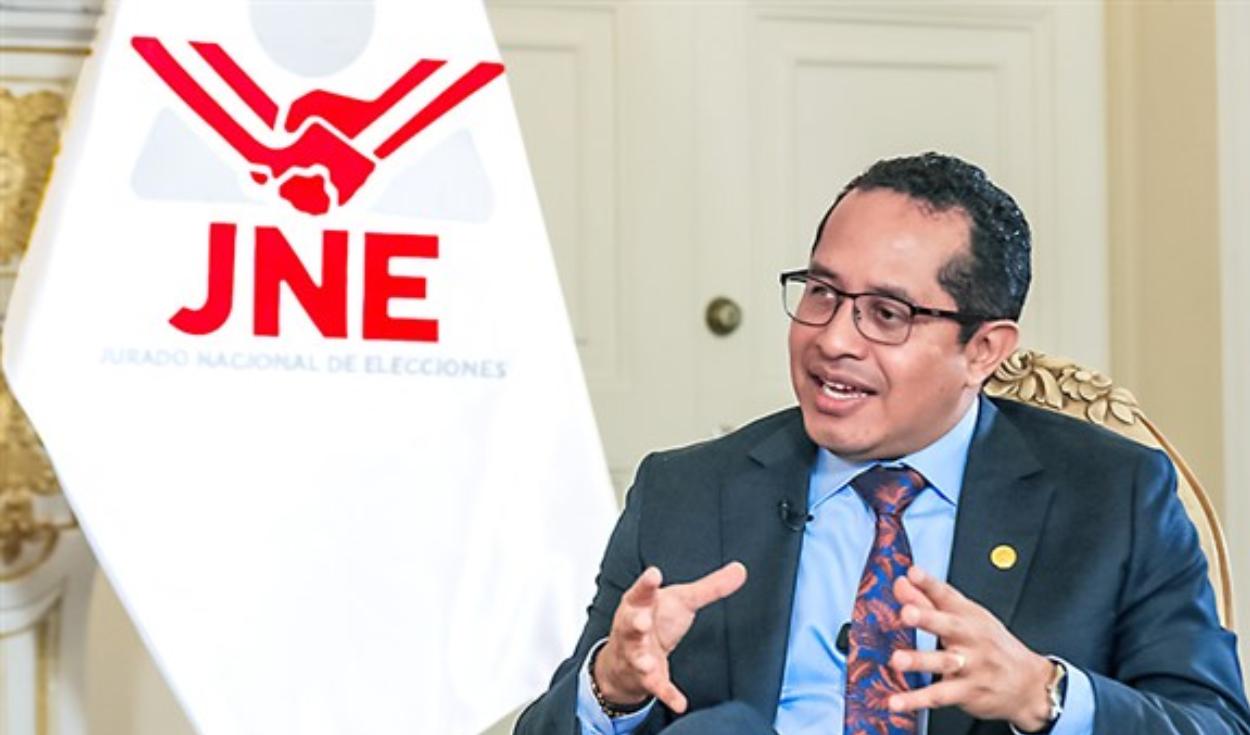
Roberto Burneo, president of Peru's National Elections Board (Jurado Nacional de Elecciones, or JNE), has asked the Judiciary to evaluate whether he can take part in the upcoming election of the next president of the Supreme Court.
Burneo confirmed in an interview with radio station RPP that he had filed the request with the Sala Plena, the full chamber of supreme judges that serves as the Judiciary's highest decision-making body. He said the request rested on his status as a titular supreme judge.
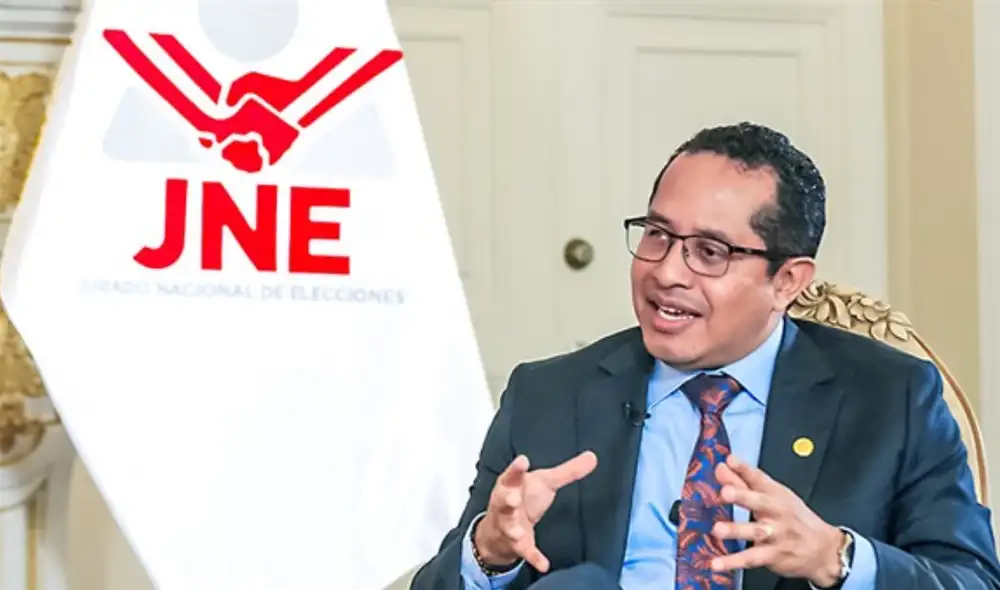
According to Burneo, what he was asking and promoting was that the Sala Plena evaluate the possibility of preserving his participation rights.
Why Burneo says he needs clearance
Burneo pointed out that his appointment to lead the JNE carries a constitutional term of four years and is a non-renounceable position. Because of this, he asked the Sala Plena to determine whether his temporary leave from judicial duties bars him from taking part in the chamber's deliberations.
He said the decision on his request belonged exclusively to the supreme judges, and that he would abide by whatever the chamber decided. He said whatever the Sala Plena decided would be absolutely respected.
Burneo denies running for the top job
The JNE president also pushed back against reports suggesting he intended to run for the presidency of the Judiciary himself. He said his request had nothing to do with a candidacy to lead the Supreme Court, but with the chance to exercise his rights as a titular member of the institution. He said he was not asking to take part in a process to become president of the Judiciary, calling the reports false or distorted information.
What the National Elections Board does
The JNE is one of Peru's electoral authorities, responsible for overseeing elections and resolving electoral disputes. Its president holds a fixed term separate from his role as a sitting supreme judge, and it is that dual role which is now under review by the Sala Plena.
Election set for December 3
The vote for the new president of the Judiciary, covering the 2027-2028 term, is scheduled for December 3 and will take place in the Sala Plena of the Supreme Court, the body responsible for choosing its top authority. Peru's Judiciary is the country's judicial branch, and the Supreme Court sits at the top of it.
According to a report by La República, six supreme judges are being mentioned as possible successors to the current president, Janet Tello Gilardi:
- Ramiro Bustamante Zegarra
- Ulises Yaya Zumaeta
- Carlos Arias Lazarte
- Manuel Luján Túpez
- César Proaño Cueva
- Aldo Figueroa Navarro
Bustamante Zegarra, Yaya Zumaeta and Arias Lazarte are considered to have the best chances, according to the report, with Luján also seen as having real prospects. Both Luján and Arias Lazarte previously ran in the 2024 election, which was won by Tello.
What happens next
The Sala Plena of the Supreme Court is due to hold the election for the new president of the Judiciary on December 3.
Test yourself
What did Roberto Burneo ask the Judiciary's Sala Plena to evaluate?
What position does Roberto Burneo currently hold?
When is the vote for the new president of the Judiciary scheduled to take place?
Have your say
Should an electoral official on leave as a judge keep full voting rights in judiciary elections?
Where it happened
Lima, Peru