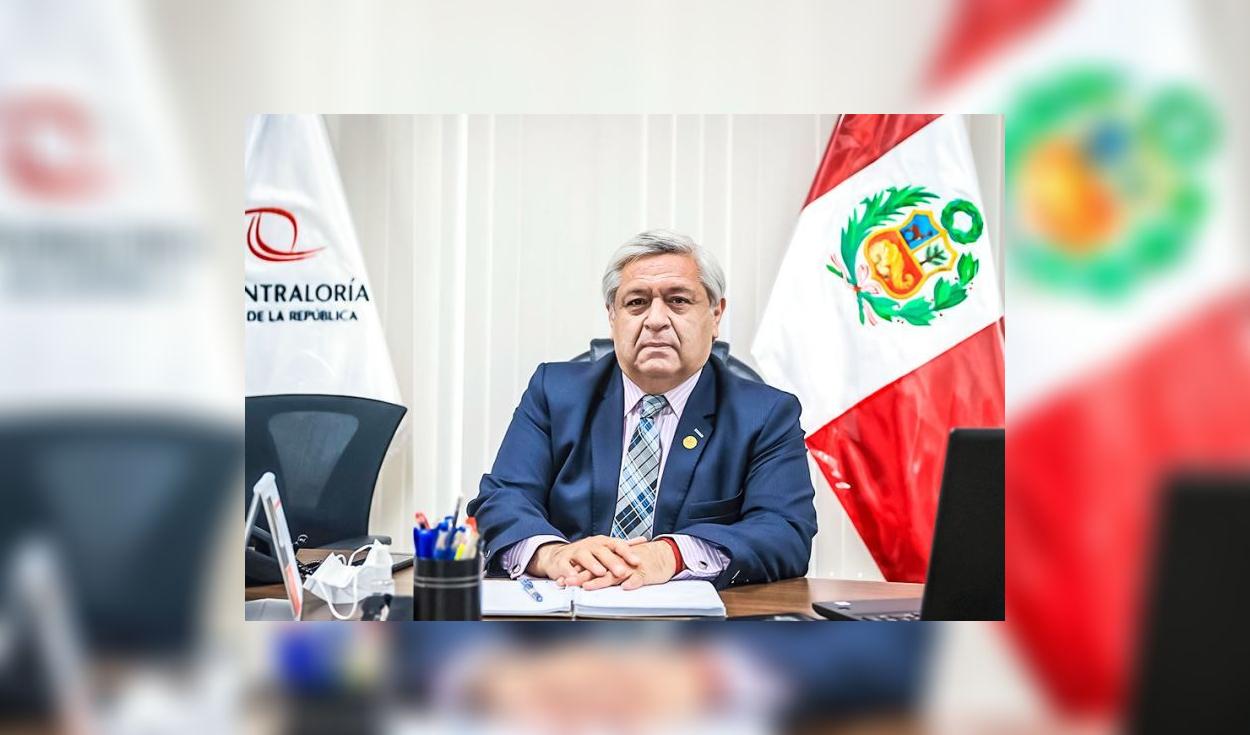
Peru's judicial system needs new leadership focused on results and good governance if it is to work efficiently, judicial management specialist Luis Miguel Iglesias León said. He called for managers who set clear goals, activate internal oversight bodies and ensure the courts respond quickly to crime.
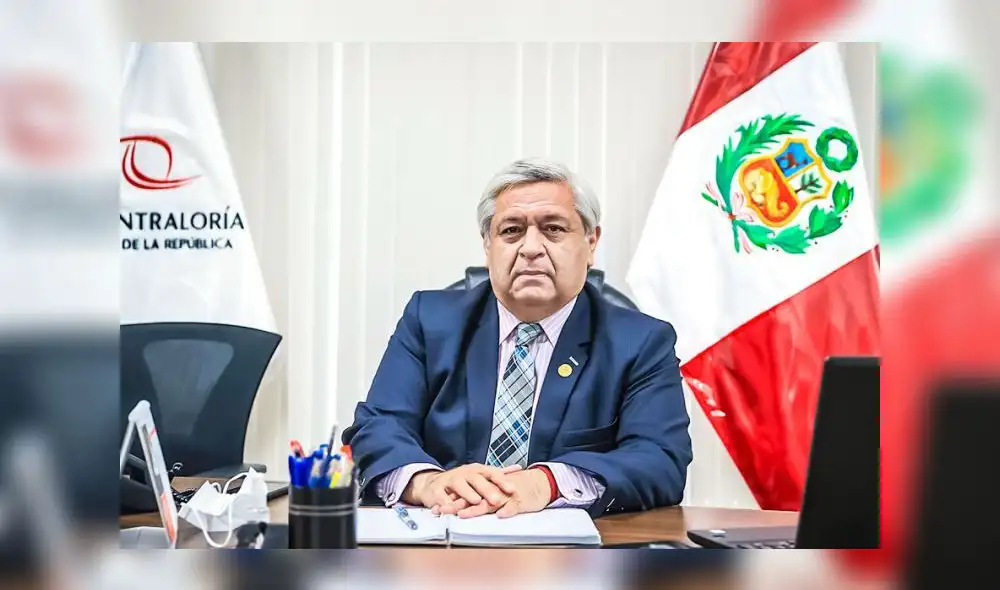
Iglesias León said that while a judge's core role is to deliver justice and protect rights, the election scheduled for December 3 should produce judges who are also leaders, capable of understanding how the judicial organization works and how a case file moves through it.
He said a heavy caseload should not be used as an excuse to put litigants through drawn-out hearings that have no set end date.
Anti-corruption push
Iglesias León has been one of the people behind the system of functional oversight of judges and judicial staff within the Judiciary, which he presents as a tool against corruption. He worked alongside former Supreme Court judges Carlos Giusti Acuña, Guillermo Cabala Rossand and Elcira Vásquez Cortez, figures he described as having positioned internal oversight as the main guarantee of an effective judicial system.
He said the fight against corruption requires a joint effort across institutions and the adoption of reliable measures to ensure objectives are met.
Crime and flagrancy courts
On rising crime, Iglesias León said the justice system must be strict and firm when prosecuting defendants, without exceptions. He said Flagrancy Courts are a key part of the system, arguing that police efforts to gather abundant evidence are wasted when prosecutors and judges release suspects out of naive garantismo, a legal approach that prioritizes defendants' procedural guarantees, or simple negligence, turning the system into what he called a sieve.
He said the answer requires continuous improvement, integrity, speed and the use of technology in judicial management.
Call for digital interoperability
Iglesias León said the real problem has never been a shortage of laws but a shortage of efficient judicial managers. He said full digitalization and real-time interoperability between the Judiciary, the Public Prosecutor's Office, the police and Peru's National Penitentiary Institute, known as INPE, are urgent and cannot be postponed.
He said coordinating efforts and getting institutional leaders to act together is the best strategy for building what he called a genuine justice ecosystem.
What comes next
Iglesias León said the future of the judicial system will be determined by management capacity, the intelligent use of technology and firm, transparent and incorruptible authority. His comments come ahead of the judicial election set for December 3.
What happens next
Peru holds a judicial election on December 3, which Iglesias León said should produce judges capable of leading and managing the court system, not only ruling on cases.
Test yourself
What date does Luis Miguel Iglesias León say Peru's judicial election is scheduled for?
Which institutions does Iglesias León say need real-time interoperability?
What does Iglesias León say is undermining the work of Flagrancy Courts?
Have your say
What do you think is the bigger obstacle to an efficient judicial system?
Where it happened
Lima, Peru