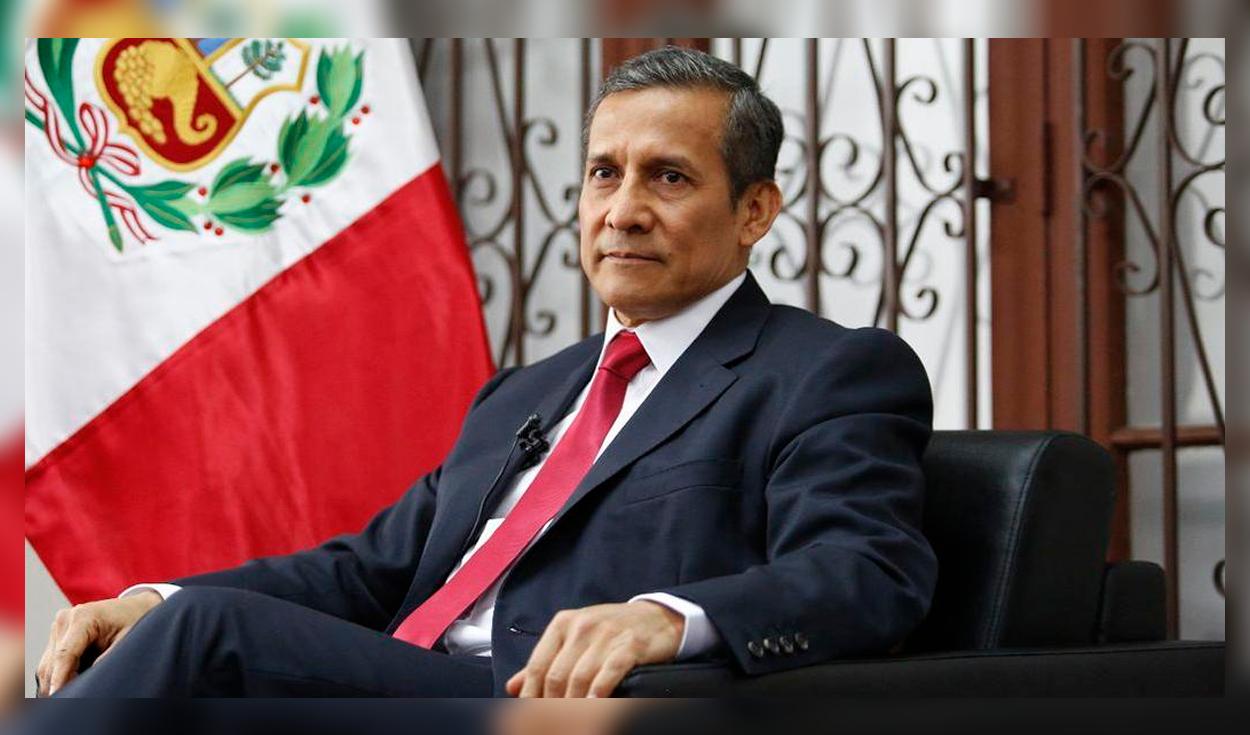
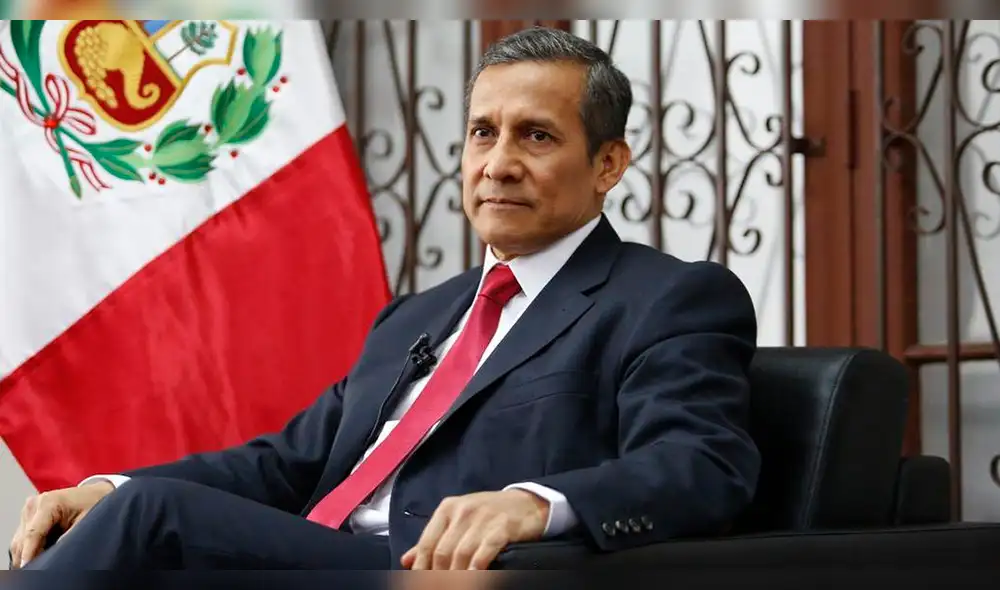
Former Peruvian President Ollanta Humala said on November 23, 2026, that nothing could give him back the time, the freedom and the reputation he lost, after a judge dismissed a long-running corruption investigation against him and his wife, former first lady Nadine Heredia, over the Gasoducto Sur Peruano pipeline project.
The case's closure does not end every legal consequence of the investigation. The Peruvian state could still seek civil reparations from Humala and Heredia, even though the criminal case against them has been dropped.
Humala used the ruling to defend the way his government awarded the pipeline contract and to criticize how long the investigation by Peru's Lava Jato Special Team had lasted. He said the Gasoducto Sur project was meant to distribute gas across southern Peru, and that it had been tarnished by what he called hitmen who used the justice system to pursue him and his wife. He said the truth was now coming to light, adding that there had been no corruption and that the project was awarded according to the administrative rules in force at the time.
The Gasoducto Sur Peruano, or Southern Peruvian Gas Pipeline, was a major infrastructure project meant to carry natural gas from Peru's gas fields to the country's southern regions. Its contract was awarded during Humala's presidency, which ran from 2011 to 2016, and the project later became entangled in corruption allegations linked to the broader Lava Jato, or Car Wash, scandal that has implicated politicians and construction firms across Latin America.
Humala also said his government had written an anti-corruption clause into the pipeline contract. He said the contracted company had stated for years that it did not seek any agreement with Peruvian officials because it feared that clause. He added that nine years later, the judiciary had found there was no collusion or illicit association, and he asked who would give him and his wife back the time, the freedom and the effort spent defending their innocence, their reputation and their life plans.
Judge cites gaps in prosecution's case
The ruling that prompted Humala's comments was issued by Judge Leodan Ayala of the Sixth National Preparatory Investigation Court. Ayala granted dismissal requests filed by the defense teams of Humala and Heredia, finding that prosecutors had not presented sufficient evidence to sustain an aggravated collusion charge or send the case to oral trial.
The judge found that the core problem lay in a mismatch between the alleged illicit agreements described by prosecutors and the evidence offered to support them. Prosecutors had accused Humala of five collusive schemes: the termination of the Kuntur gas project, the non-execution of a performance bond, the creation of Gasoducto Sur Peruano, the awarding of the pipeline contract, and the transfer of environmental studies.
Ayala ruled that the 35 pieces of evidence attributed directly to the former president did not support those five allegations. He also found that another 618 pieces of evidence had not been individually linked to any specific accusation, and criticized prosecutors for submitting a large volume of documents without explaining what each one was meant to prove.
Heredia cleared as alleged accomplice
The dismissal also applied to Nadine Heredia, who had faced the case as an alleged primary accomplice to the collusion attributed to her husband. The judge applied what is known as the principle of limited accessory liability, meaning that because there was not enough evidence to sustain the case against the alleged main perpetrator, the complicity charge against the former first lady could not stand either.
What happens next
The criminal case is closed, but the source notes the Peruvian state could still seek civil reparations from Humala and Heredia.
Test yourself
Who dismissed the corruption case against Humala and Heredia?
What could the Peruvian state still seek despite the case's dismissal?
How many pieces of evidence did the judge say were not individually linked to specific accusations?
Have your say
Do you think long-running corruption investigations like this one serve justice?
Where it happened
Lima, Peru