
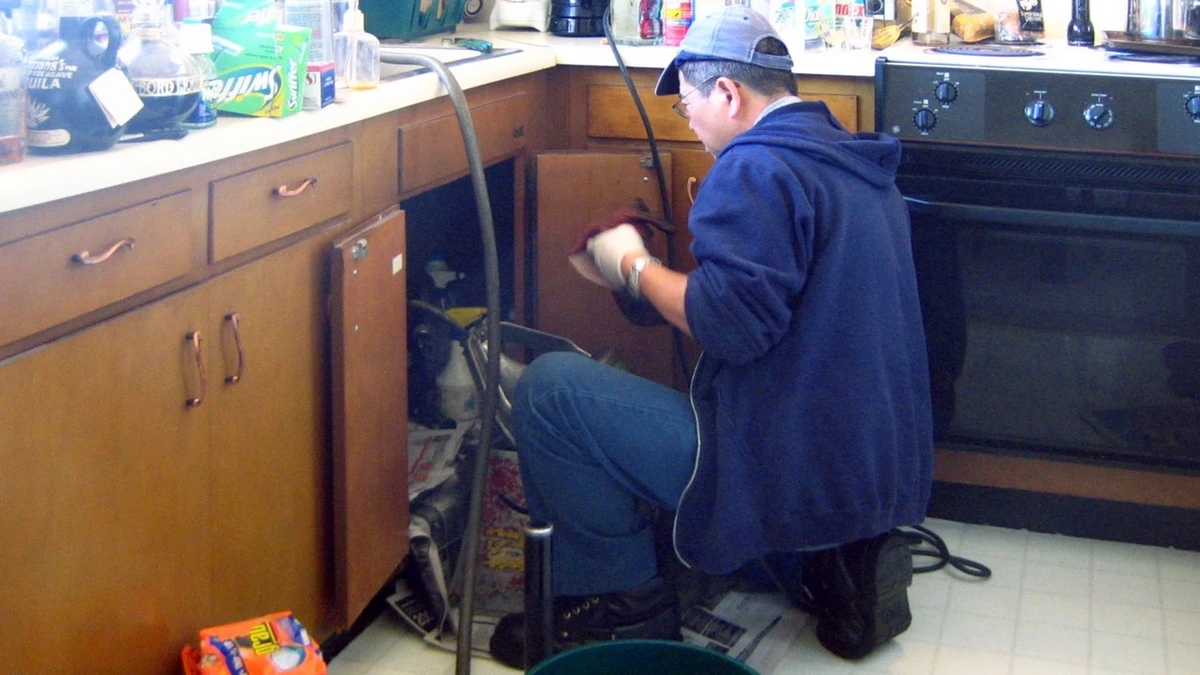
Roberto, a 70-year-old plumber trained in Chile and now based in Madrid, said the one task artificial intelligence still could not do for him was forcing a valve into an impossible angle inside a wall someone else built years earlier.
The remark came in an interview published by the Spanish newspaper El Español in February 2026, in which Roberto was asked what would happen to his work if AI began diagnosing plumbing problems and calculating repair costs.
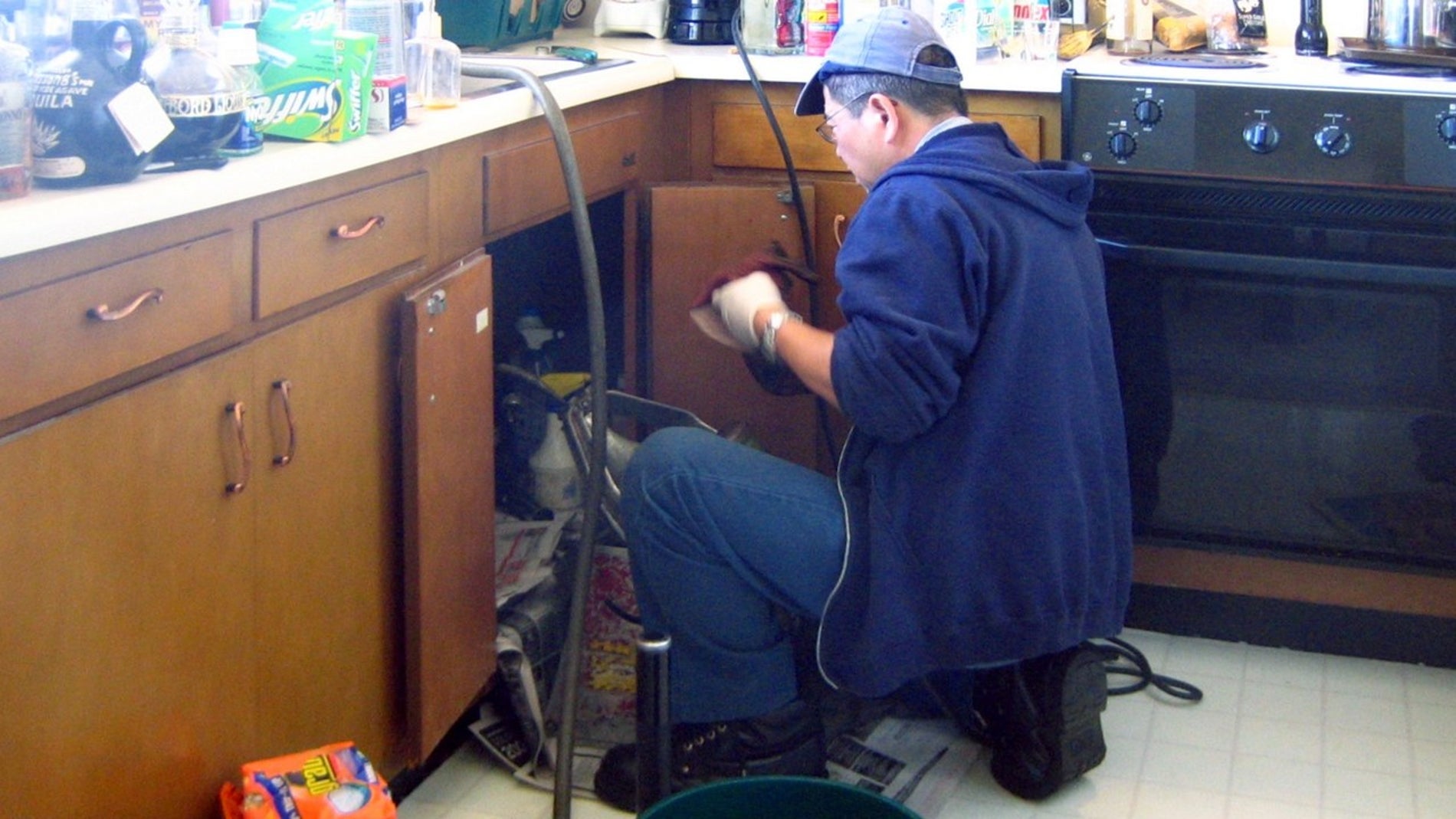
Roberto said an app capable of reading a photograph could help guide whoever answers a call-out. But he said the real difficulty came after the diagnosis, in the tight space shared by a person, a wall and a set of tools. In new construction, there is room to decide where every pipe and valve goes. In a home that is already lived in, most of those decisions were made by someone else long before.
From security work to a Chilean plumbing course
Roberto had previously worked in security and once considered studying computer science. He instead chose a 450-hour training course in installation and repair in Chile before moving to Madrid in 2004.
Over the years he has added tools that save him work, he said, singling out a leak detector that lets him listen for a hidden leak. The device can locate the source of the noise without him seeing any water, though the damaged pipe itself still sits on the other side of the wall waiting to be reached by hand.
The many tasks hidden in one plumbing call
The occupational handbook published by the United States Bureau of Labor Statistics breaks the plumbing trade into several distinct tasks, including estimating costs, reading blueprints, choosing materials, installing parts and testing the finished repair. That breakdown helps frame the debate over the future of plumbing. Some parts of a job produce information a professional can review on a screen. Others only end once the system is working again.
A home visit also usually requires explaining to the owner what was found. A customer may have described a different problem over the phone, or spent days watching a damp patch that turned out to have appeared far from its actual source. Agreeing on a plan before opening a wall means answering specific questions about the house, and other tradespeople interviewed separately have made similar points about how much of a physical, manual job also involves dealing directly with clients.
Why identical jobs can take different amounts of time
The size of the space a plumber has to work in does not appear on an invoice. Two identical valves can take very different amounts of time to fix if one is in plain view and the other is tucked behind a piece of furniture. In work this tied to a specific physical location, experience largely means recognising the differences that decide how long and how costly a repair will be, a kind of know-how that is difficult to pass on when a tradesperson tries to secure someone to take over their business.
Measuring which jobs are exposed to AI
The International Labour Organization and the Polish research institute NASK published a global index in 2025 measuring exposure to generative AI. The index analyses jobs by breaking them down into individual tasks, since assessing a role means looking at how its different duties combine over the course of a working day. The report concluded that transformation, rather than outright replacement, is the more likely outcome for most of the exposed jobs it studied, because many of their duties still require a human to carry them out.
A future robot plumber would need to move through physical space, which is a very different engineering problem from building a program that simply calculates measurements.
For the customer with water leaking behind a wall, the job only ends with a physical check: turning the tap back on and watching the repair hold. That, Roberto said, is the work people call him to do. An app, by contrast, can only step in much earlier, while someone is still trying to work out what is wrong with their house.
Test yourself
What did Roberto say AI still could not do for him?
Where did Roberto complete his plumbing training before moving to Madrid?
Which organizations published the 2025 global index on AI exposure mentioned in the article?
Have your say
Do you think AI will replace skilled trade jobs like plumbing?
Where it happened
Madrid, Spain