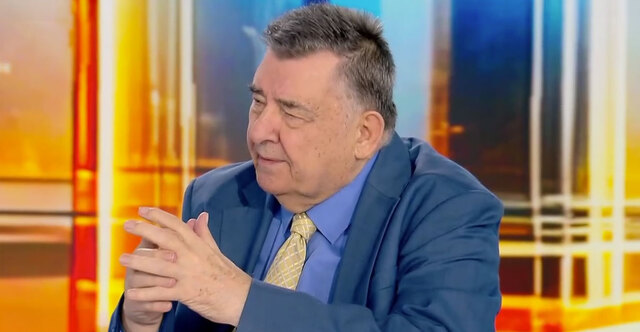
Brazil's centrist PP (Progressistas) party has told Senator Tereza Cristina it will remain neutral in the 2026 presidential race, declining an invitation by Flávio Bolsonaro to have her join his ticket as vice-presidential candidate. CNN political analyst Pedro Venceslau told the program Hora H that the move amounts to a political victory for President Luiz Inácio Lula da Silva, whose operatives worked actively to secure the outcome.
Venceslau said the episode involved political theater from the start. Flávio Bolsonaro approached Tereza Cristina directly rather than going through the party first, creating what the analyst called a political fact. After the senator accepted, PP and its federation partner União Brasil still had to ratify the arrangement. Neither did.
União Brasil consulted its state directories as a gesture toward Flávio, but Venceslau said the decision for neutrality had already been taken before that consultation took place.
The internal calculus centered on the risks of formally backing Flávio Bolsonaro. Venceslau said such an alliance would generate very significant discomfort among party directories in the Northeast. He cited Lucas Ribeiro, PP's candidate for governor of Paraíba, who is running in alliance with Lula's PT and the PSB. The Centrão's overall assessment, the analyst said, was that Flávio currently shows no realistic expectation of power, making the political cost unjustifiable.
Neutrality also protects the two parties' foothold in the current government, where they still hold ministries and state-company posts. Venceslau said that positioning allows them to negotiate with whichever side wins the election.
For Lula's camp the outcome carries a concrete electoral advantage: without PP and União Brasil backing, Flávio cannot match the government's allocation of free television airtime, a key asset in Brazilian campaigns. Even in a possible runoff, Venceslau said, the two parties were unlikely to campaign forcefully for Flávio Bolsonaro, because the Centrão historically does not make decisions without first weighing the consequences.