Peruvian antinarcotics forces have destroyed more than 366 mobile cocaine laboratories this year, uncovering a shift towards smaller operations modeled on Colombian cartels.
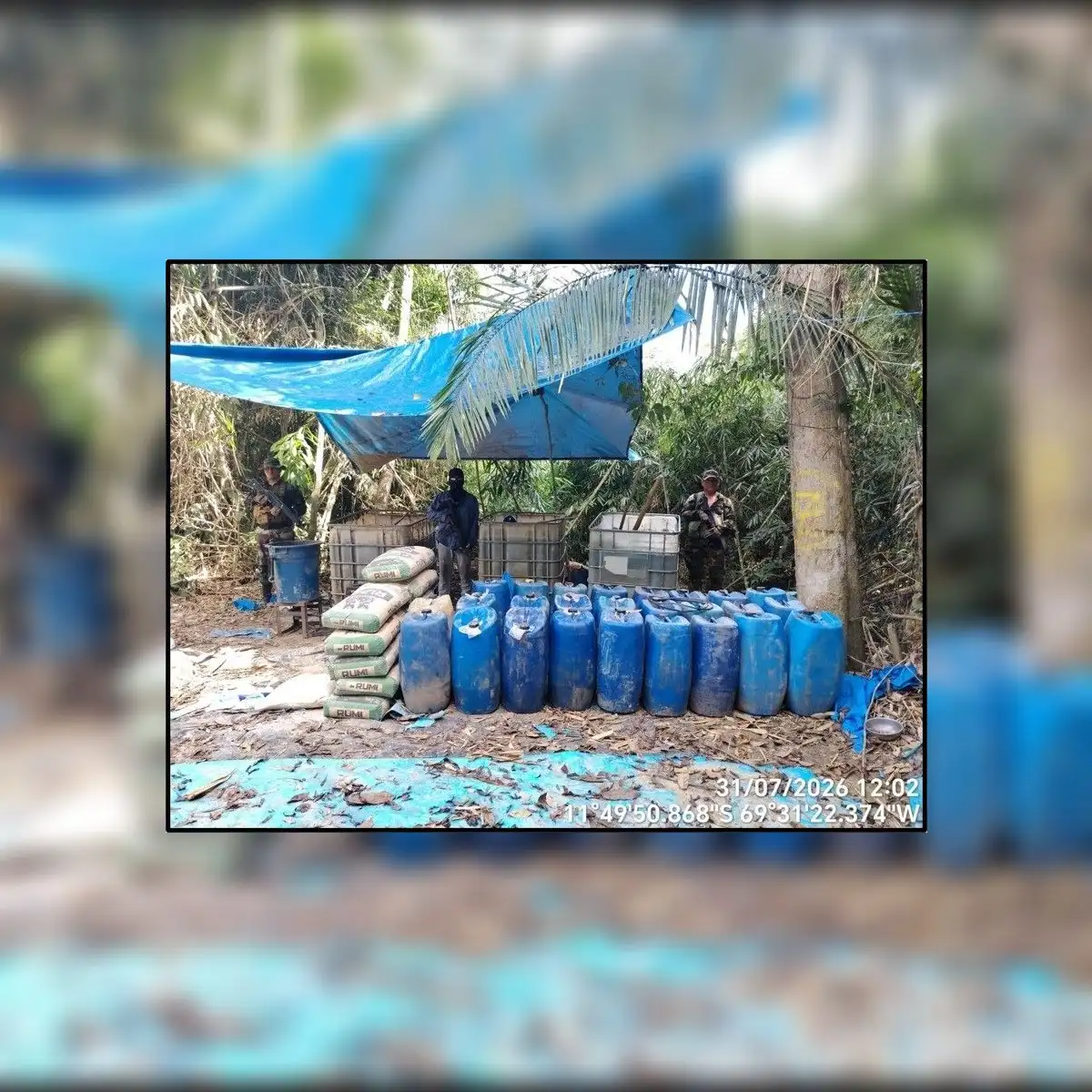
The facilities were found across the Apurimac, Ene and Mantaro River Valley, known as the Vraem, as well as the Huallaga and Putumayo regions. Five laboratories discovered in the Miraflores sector of Tahuamanu province in Madre de Dios showed a high level of sophistication, converting basic paste into cocaine hydrochloride.
Antinarcotics forces said the discovery suggests cocaine production and distribution is increasingly filtering through Madre de Dios. Tahuamanu province, whose capital is Iberia, is a naturally rich jungle region crossed by the Interoceanic Highway and the Tahuamanu River.
The region is already struggling with illegal gold mining, which pollutes rivers with mercury, fosters criminal gangs and human trafficking, and operates inside protected areas such as the Tambopata National Reserve.
It remains unclear who controls the drug trade in the region. Peru has long been a haven for Colombian and Mexican drug traffickers, but recent antinarcotics reports indicate Peruvian and Brazilian criminals are taking a more prominent role.
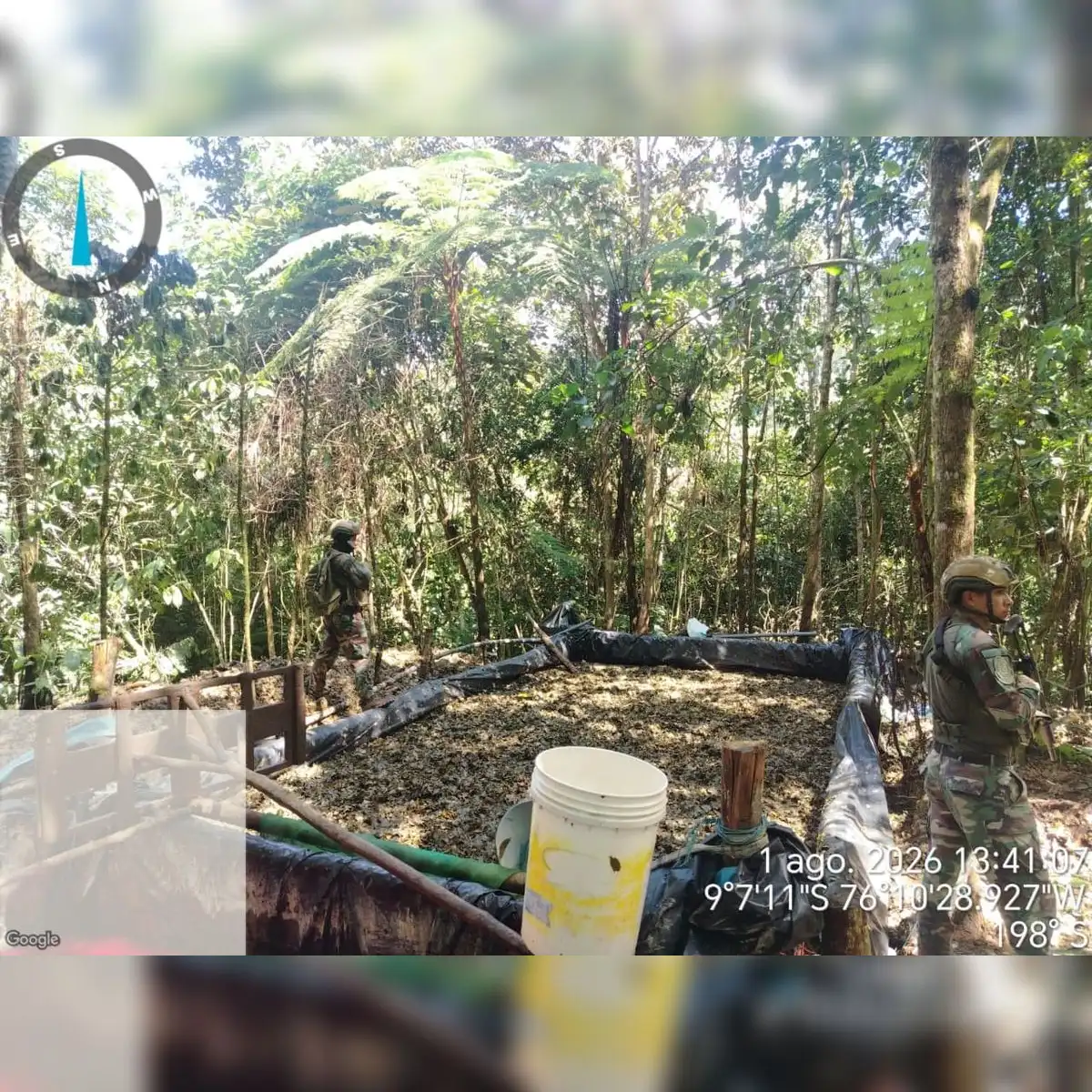
A helicopter operation in Tahuamanu dismantled the laboratories along with two camps and 10 Colombian style maceration pits known as cubitanques.
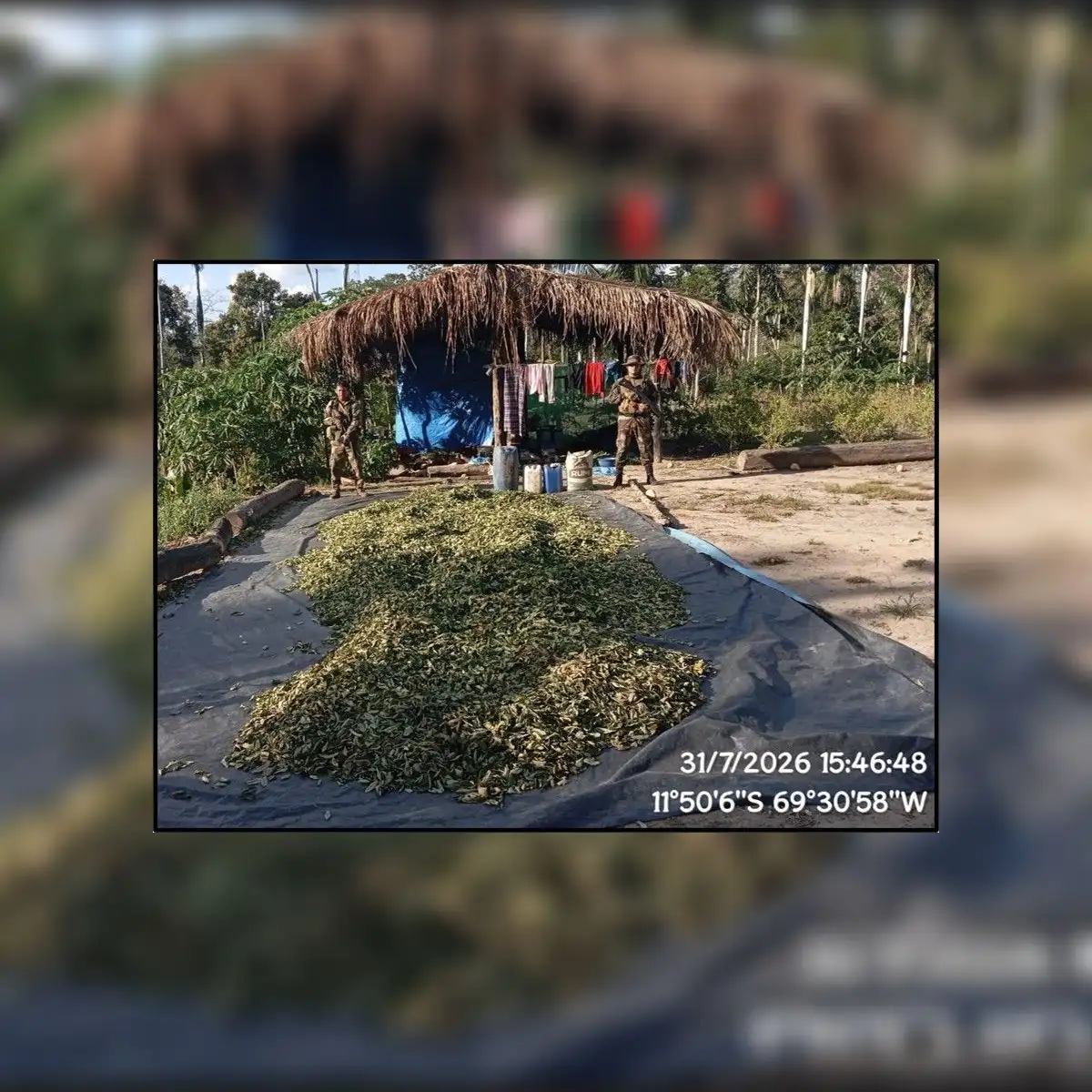
Police General Leiby Huaman Daza, head of the Anti-Drug Directorate, said officers found more than seven tons of macerating coca leaves and 630 kilograms of dry coca leaves. They also seized 3,339 kilograms of gasoline, 467 kilograms of cement, 150 kilograms of lime and two kilograms of caustic soda, as well as weapons, machinery, cellphones and a fumigator.
Shift to mobile production
Intelligence officers at the Anti-Drug Directorate say increased military and police operations have forced mafias to design smaller structures that attract less attention and evade intensified controls.
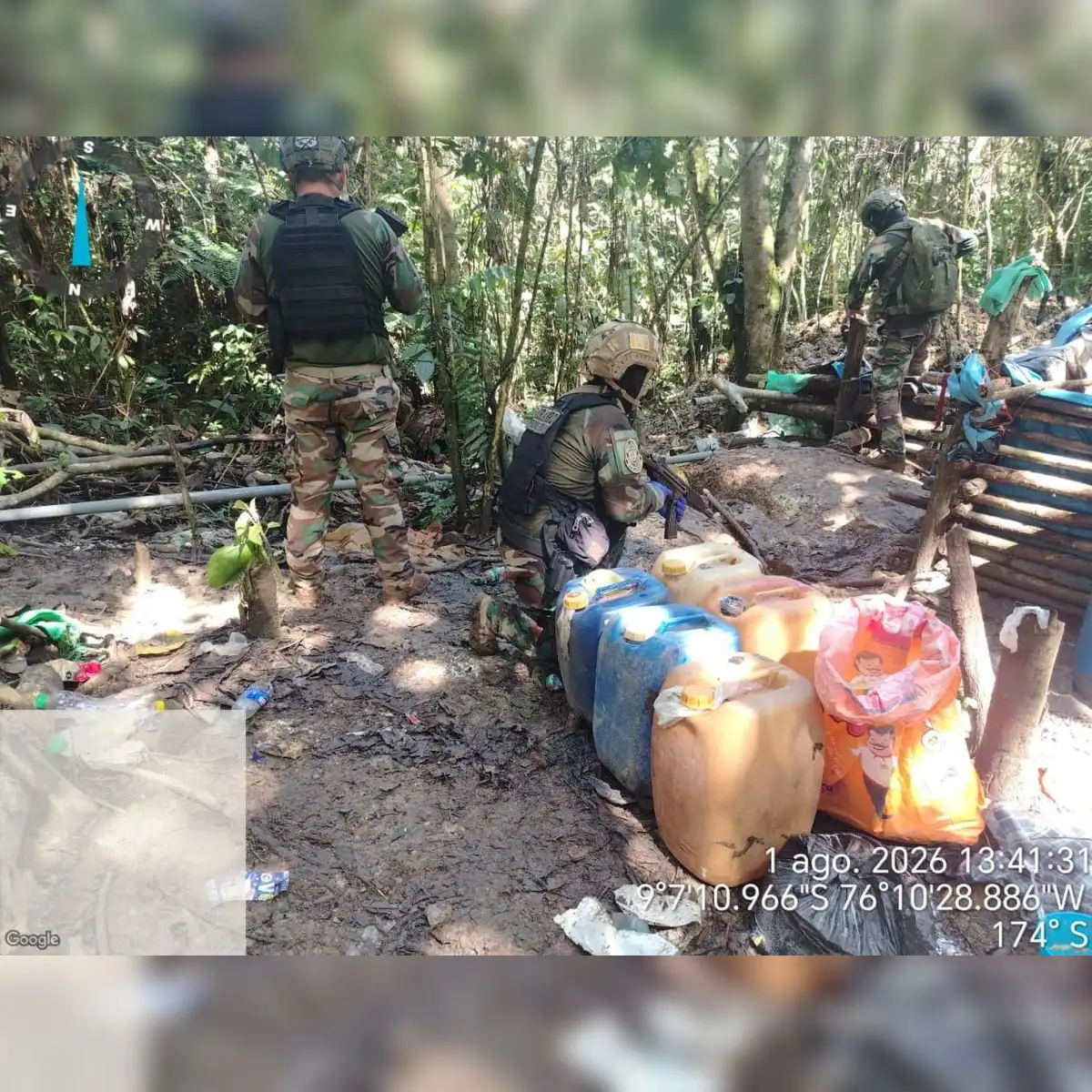
Criminal organizations are abandoning the large permanent laboratories used by cartels in the 1990s and 2000s. Instead, they are copying a Colombian franchise based on high engineering hidden compartments, mobile laboratories in dense jungles, and an invisible narcos profile.
The gangs hire specialists to build temporary structures out of wood and plastic. They gather a large amount of basic paste, convert it to cocaine hydrochloride, and then dismantle the laboratory to move elsewhere.
An intelligence officer said traffickers now place more value on the quality of the drug than on producing massive quantities. The shift is partly a response to intelligence advances using technology and artificial intelligence, which make large facilities easier to detect.
Peru remains the world's second largest producer of cocaine, despite reducing its coca leaf crops for the third consecutive year, according to the National Commission for Development and Life without Drugs.
The government estimates annual production at around 400 tons, though former Interior Minister Ruben Vargas said the figure could reach 1,000 metric tons.
Seizures and arrests
In the first half of the year, police dismantled 65 criminal organizations and seized more than 62 tons of processed cocaine ready for sale, Huaman said. The police action prevented the trafficking of more than one billion dollars, or three billion soles.
Operations earlier this month uncovered further infrastructure. On August 1, a laboratory was detected in the Bartolome Herrera populated center in Castillo Grande district, Leoncio Prado province, Huanuco. Two more laboratories and four collection centers were found the same day in the Amarillo sector of Jose Crespo y Castillo district in the same province.
Overall, antinarcotics forces have disabled 25 clandestine airstrips and seized 8.42 million kilograms of chemical inputs used for drug production this year. Police have also confiscated 377 assets linked to drug trafficking, including six properties, 123 firearms, more than three million soles in cash, and 248 land, water and air vehicles.
Smuggling routes and methods
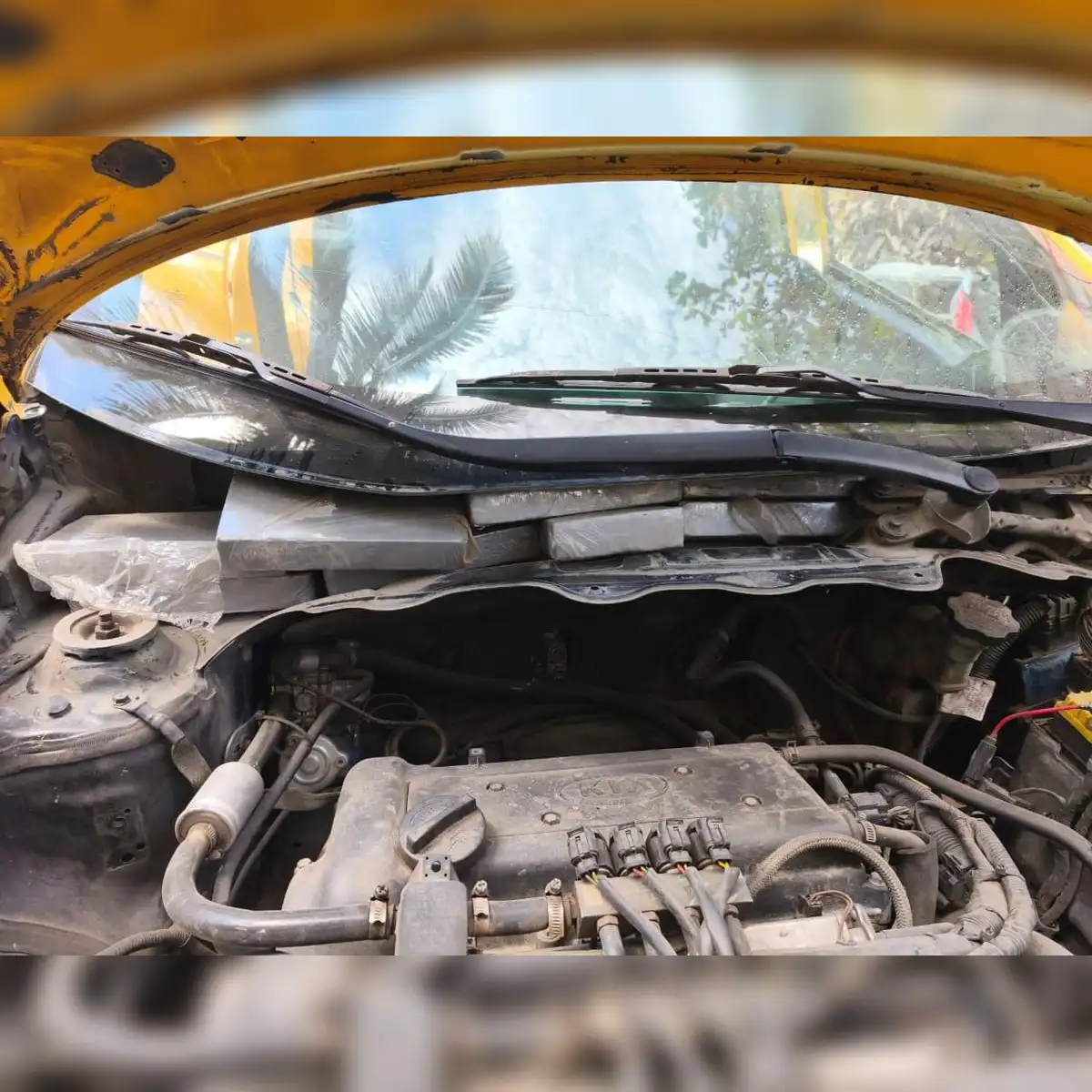
On August 3, police stopped a vehicle with the license plate AVG-442 in the Pichanaki district of Chanchamayo, Junin, and found 44 packages of cocaine hidden behind the dashboard.
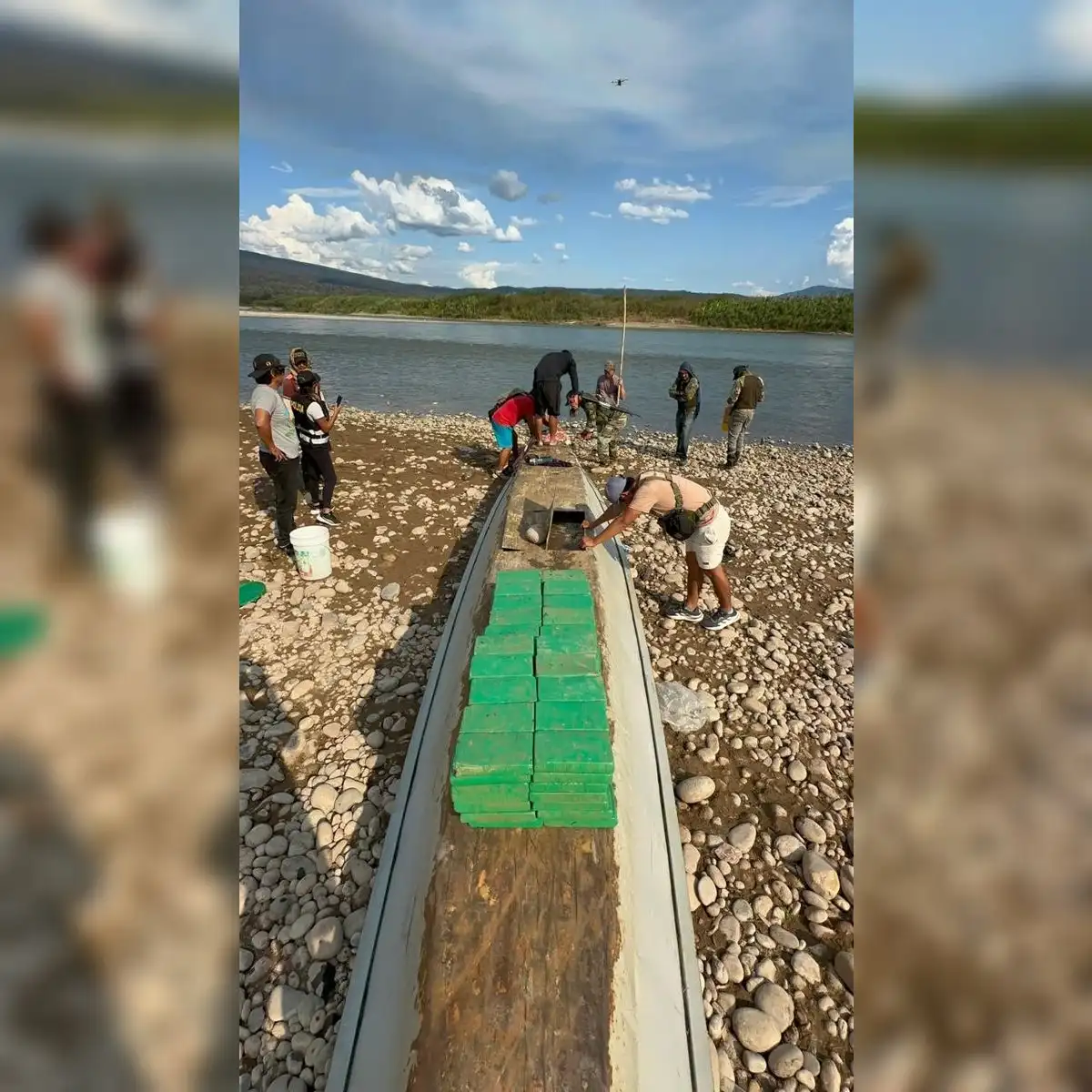
In a separate operation in the native community of Potsoteni in the Pangoa district of Satipo, Junin, authorities intercepted a small riverboat known as a peque peque carrying 210 bricks of cocaine. Police said the seizure cost the mafia more than one million soles.
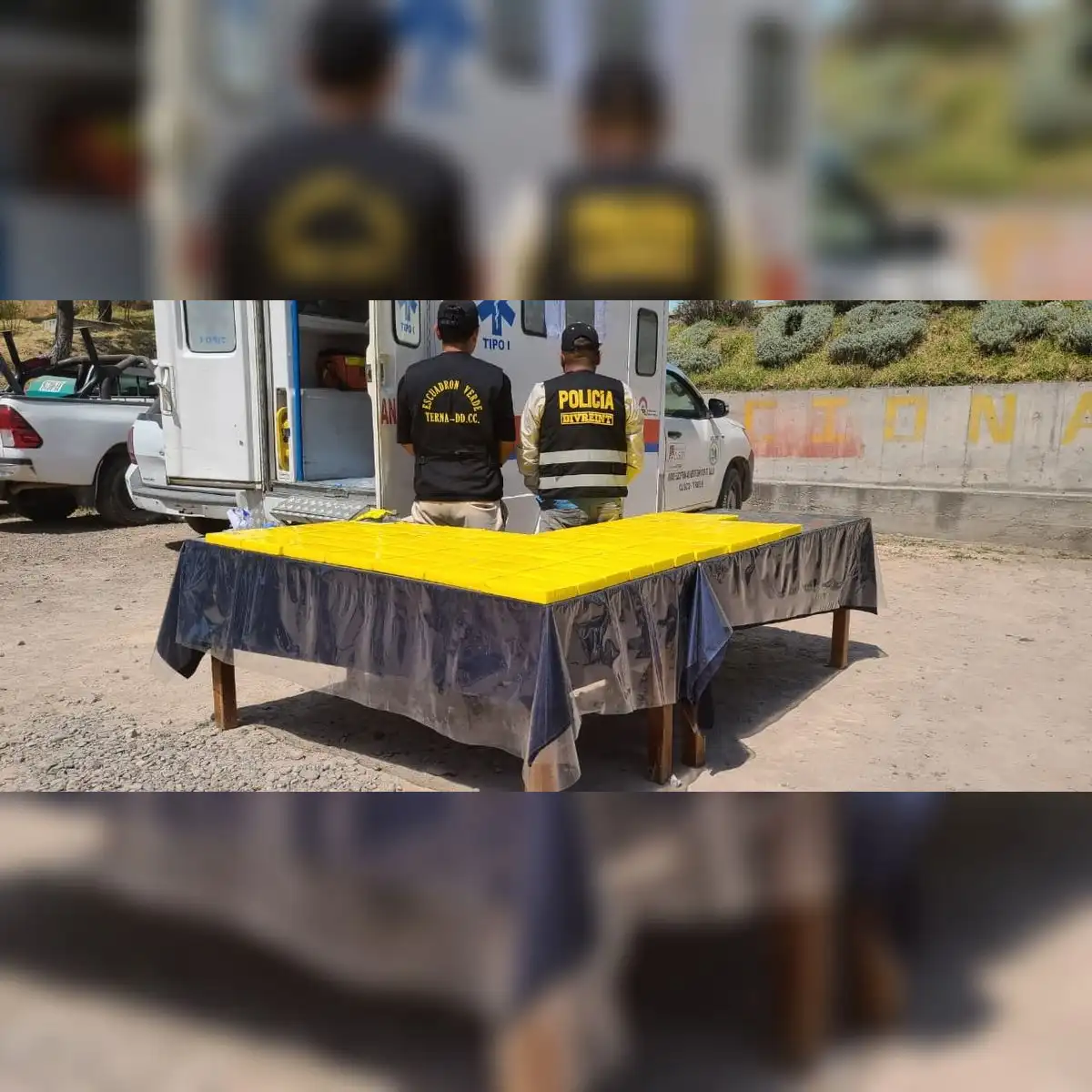
On August 9, police in the Andres Avelino Caceres district of Ayacucho intercepted an ambulance with the license plate EQE-944 belonging to the Kimbiri hospital. Officers found more than 50 bricks of cocaine hidden in the patient compartment.
Two men, Ruben Saenz Vega, 38, and Johans Leon Gutierrez, 40, were arrested. Police suspect they belong to the La Cruz Blanca criminal gang.
Traffickers are using more than 120 concealment methods to transport the drugs by road and river, according to antinarcotics sources. The hidden compartments, known as caletas, have evolved from simple false bottoms into complex mechanical, electronic and naval engineering works designed to bypass police checks.
Illegal airstrips
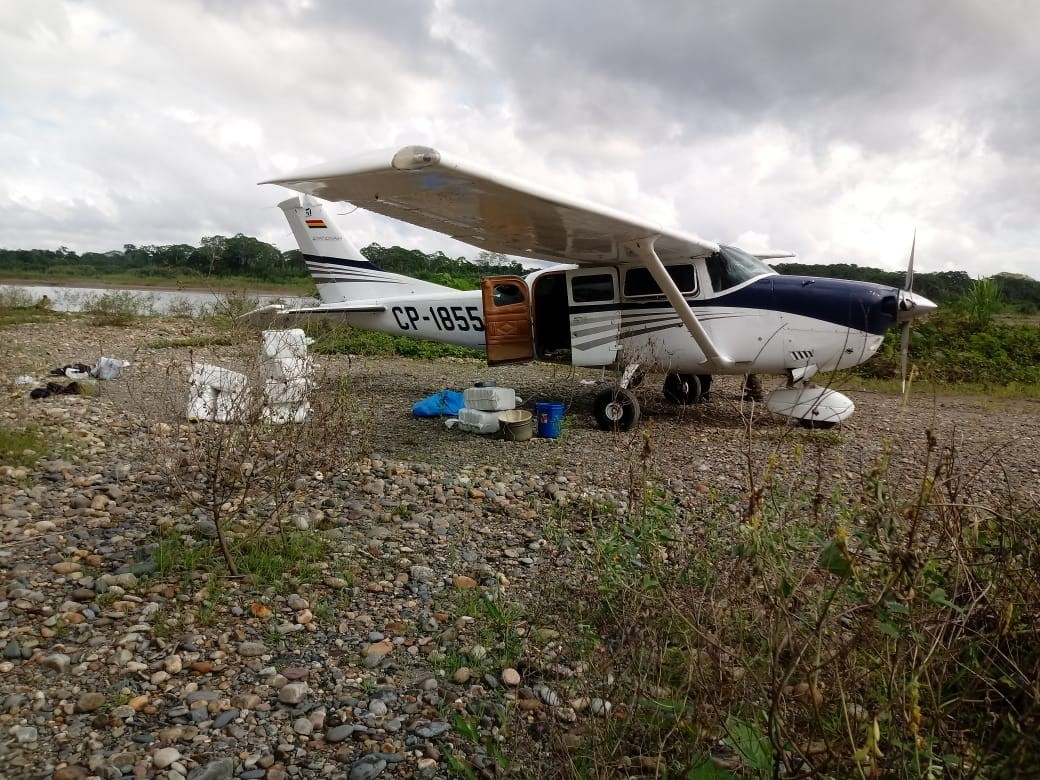
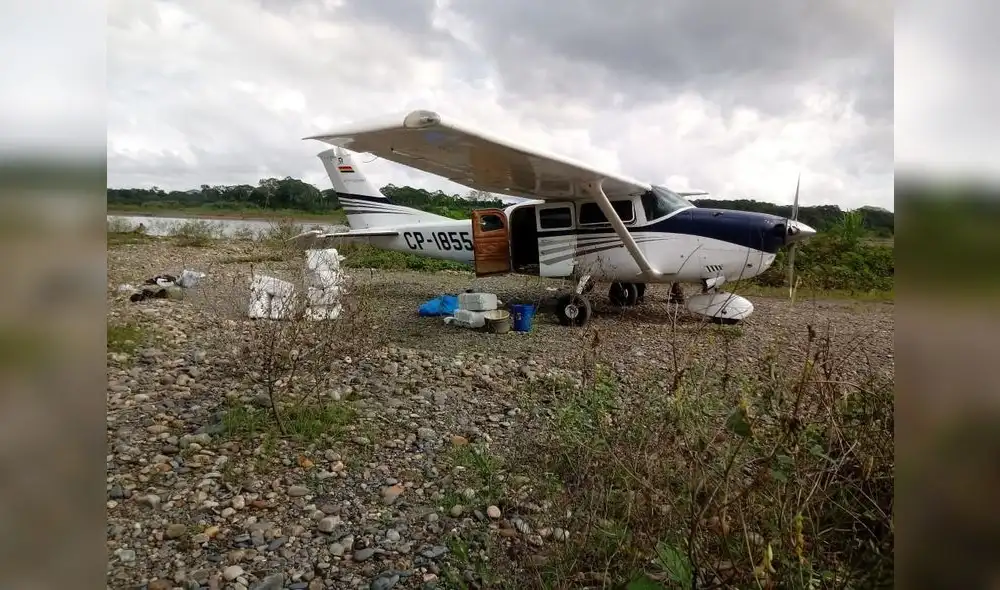
The Ucayali region has become a key area for traffickers, driven by its proximity to the Brazilian border and the proliferation of clandestine airstrips. The airstrips are typically built near rivers, trails or within protected territories across Ucayali, Loreto, Huanuco, Madre de Dios, Pasco and Cusco.
The Anti-Drug Directorate, working with the Ucayali Regional Government, the Specialized Environmental Prosecutor's Office and the Open Street Map platform, has tracked nearly 130 illegal airstrips across the six regions.
Following interviews with indigenous leaders, community members and prosecutors, 76 of the airstrips were confirmed. Authorities said 45 of those are located in Ucayali and were built to serve the drug trade.
In July, security forces in the Vraem killed Jhonny Curo Rojas, known as Comrade Richard. Authorities identified him as a military commander of the Militarized Communist Party of Peru, a drug trafficking remnant of the Shining Path rebel group.