The amateur theatre group Starenkyi Tramvai in Lviv is preparing for the premiere of a new one-actor play titled The Chaplain's Tango on August 21, 2026. The production explores the daily emotional and spiritual struggles of Ukrainian military chaplains serving near the front lines of the war.
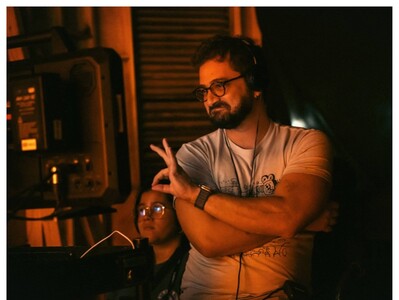
Written by playwright Roman Onyshkevych, the script draws directly from real stories shared by military chaplains who served as prototypes for the central character. The play is directed by Andriy Snitsarchuk, an actor and director who has also served as a soldier in the Armed Forces of Ukraine for four years.
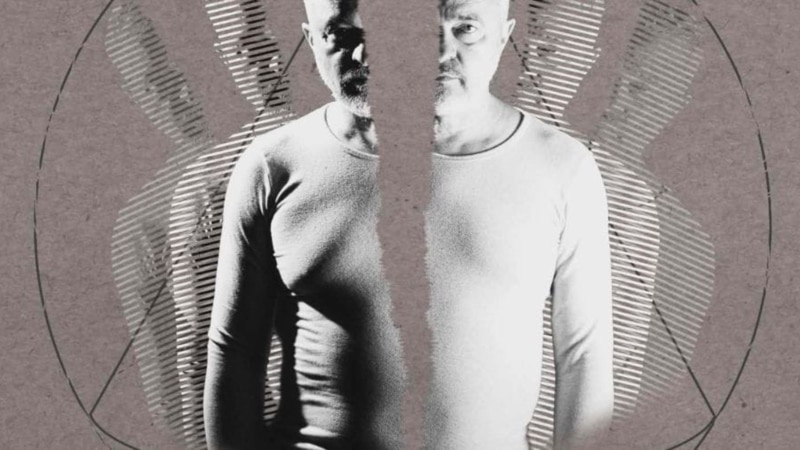
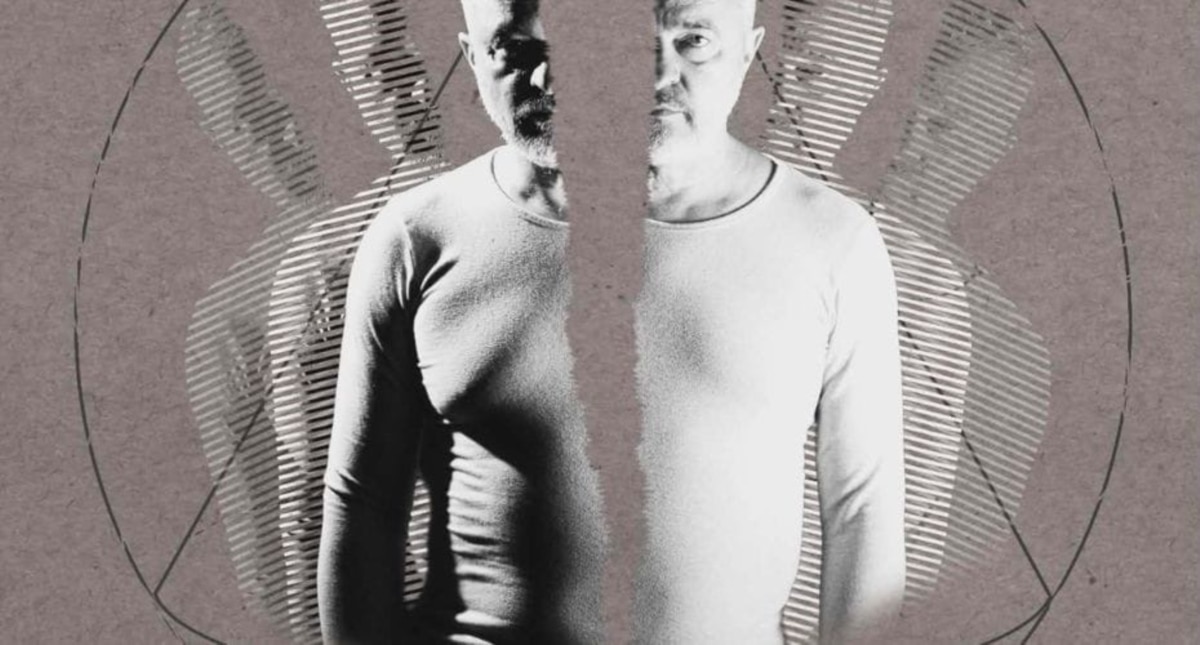
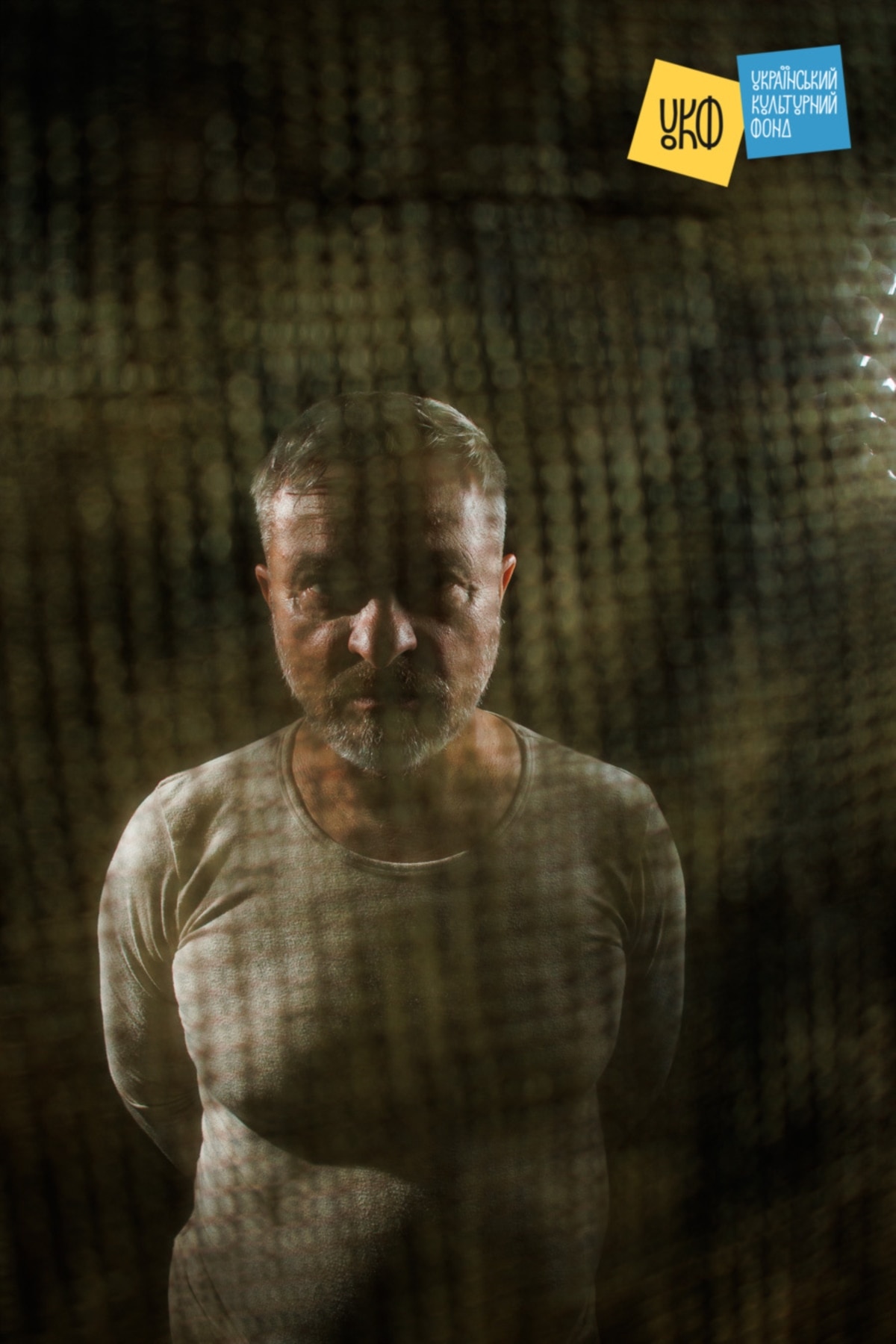
Singer and actor Yaroslav Nudyk performs the sole role in the production. Nudyk is widely known as a long-time member of Pikkardiyska Tertsya, an acclaimed Ukrainian vocal acapella ensemble formed in Lviv in 1992. The creative project received financial support from the Ukrainian Cultural Centre, and the production team aims to perform the completed play for active soldiers stationed near the front.
Lviv, located in western Ukraine, has long served as a major cultural hub and a center for artistic responses to the ongoing conflict. The city is also home to major religious institutions, including the Ukrainian Greek Catholic Church, an Eastern-rite Catholic church that maintains an active military chaplaincy corps alongside the autocephalous Orthodox Church of Ukraine.
Central Questions of Faith and Warfare
The main narrative of the play focuses on the psychological weight carried by clergy members on the battlefield. It centers on a fundamental question troubling the protagonist: why a military chaplain cannot pick up weapons to fight alongside fellow citizens.
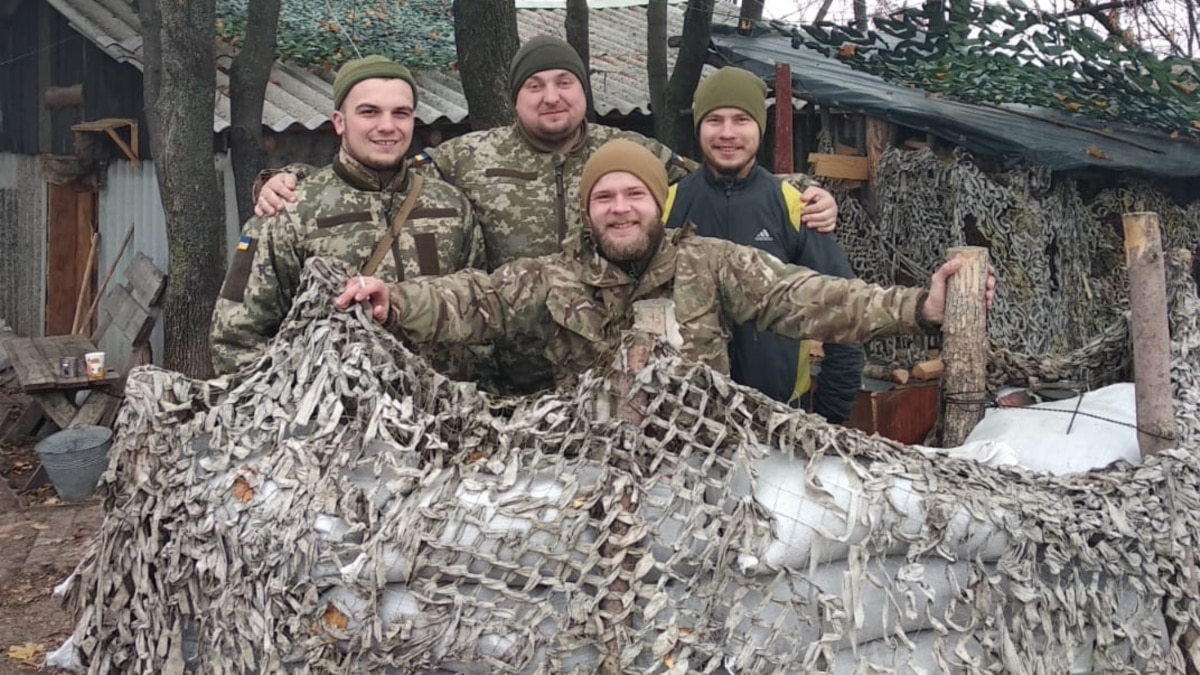
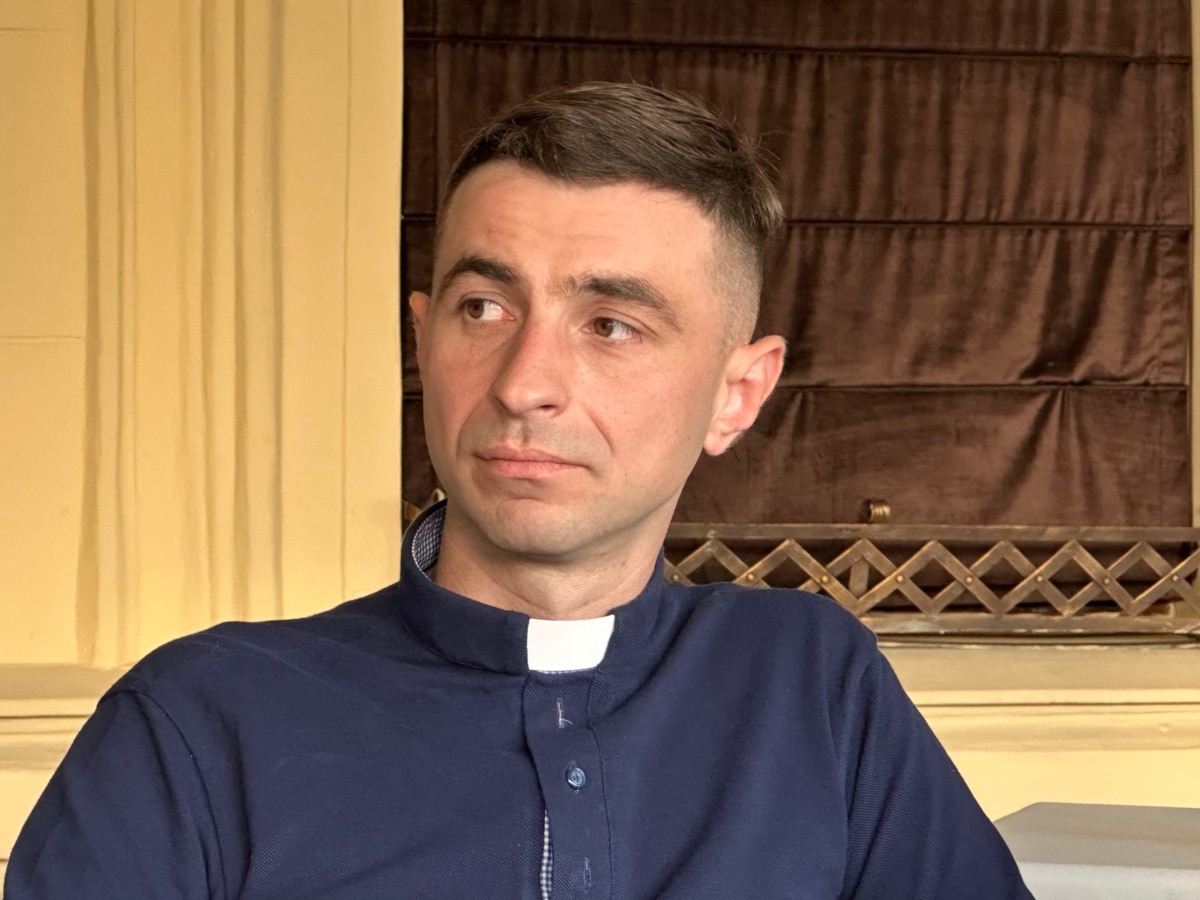
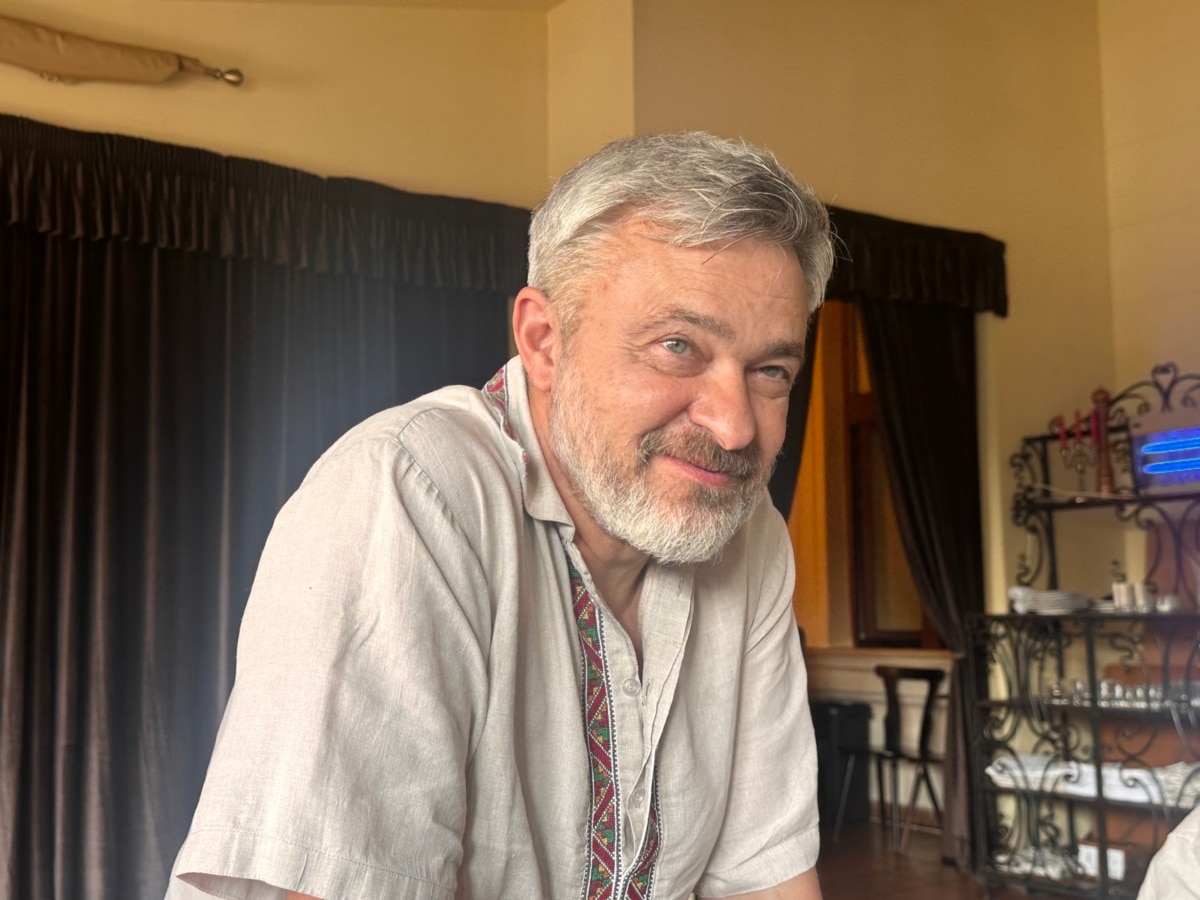
Father Dominik Nalysnyk, a monk and chaplain with the Ukrainian Greek Catholic Church, served as a primary real-life inspiration for the protagonist. Father Dominik grew up in the eastern city of Kharkiv. When heavy fighting reached his home city, he wrestled in private prayer with why he could not take up arms as a Ukrainian man.
Father Dominik explained that his struggle over whether to carry a weapon was a constant topic of personal prayer and complaint to God. He noted that he has no definitive answer for himself and cannot predict how he or other priests would act in an extraordinary situation. During his service, he befriended Muslim soldiers who chose to carry weapons, noting that their faith allows different choices on the battlefield.
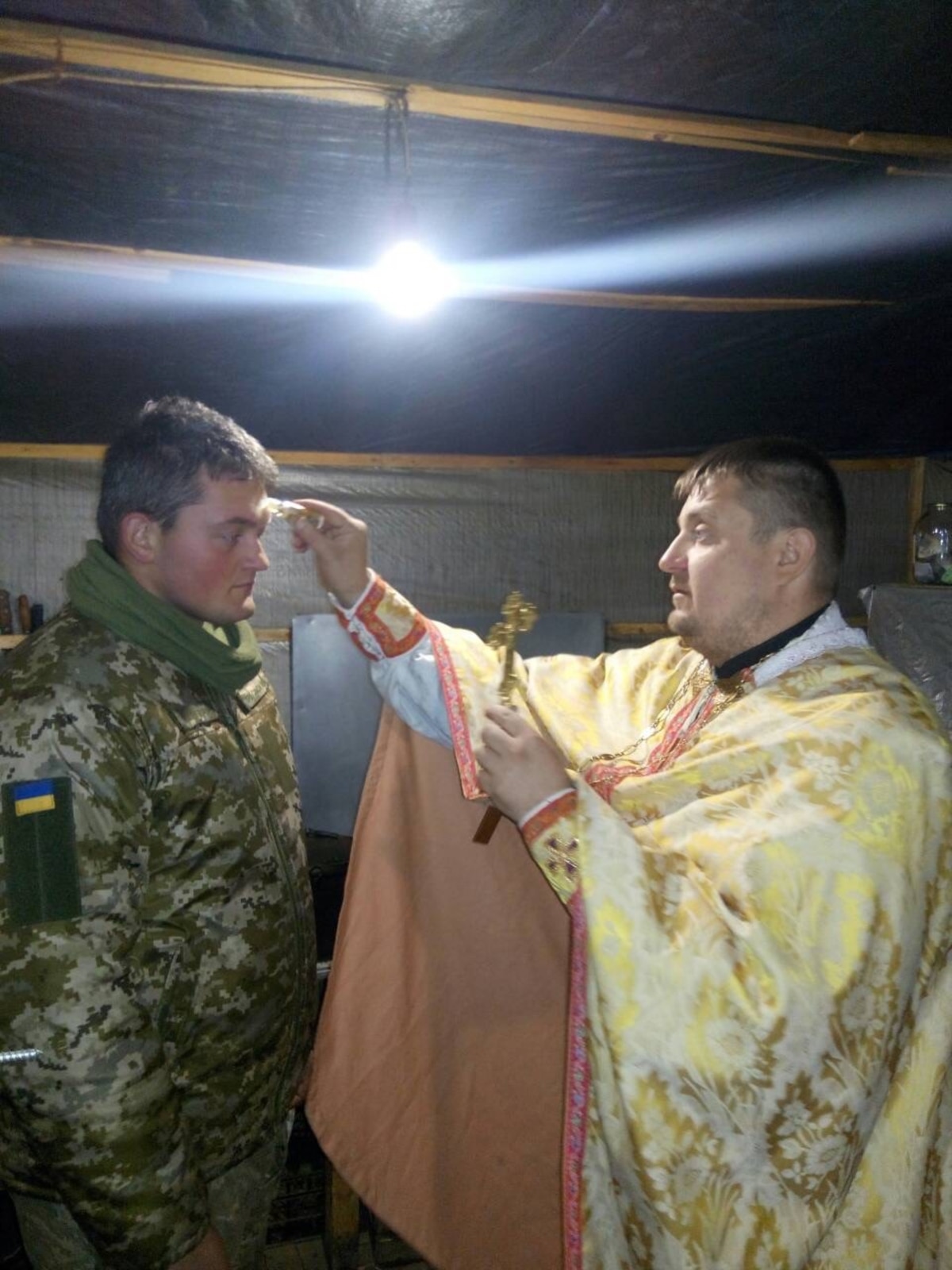
The protagonist fears that picking up a weapon would be seen as sacrilege or a sign of lacking faith in the power of Jesus Christ. Throughout the play, the chaplain blesses soldiers with a cross before they head into combat, fully aware that some will not return. He seeks to provide emotional balance in the midst of war while asking God questions without expecting direct verbal answers, confident that God hears him.
Realism on Stage and Dark Humor
The single set decoration for the play is a military dugout, serving as the chaplain's temporary sanctuary and living quarters near the front line. Director Andriy Snitsarchuk drew on his four years of active military duty in the Armed Forces of Ukraine to shape the physical environment and tone of the production.
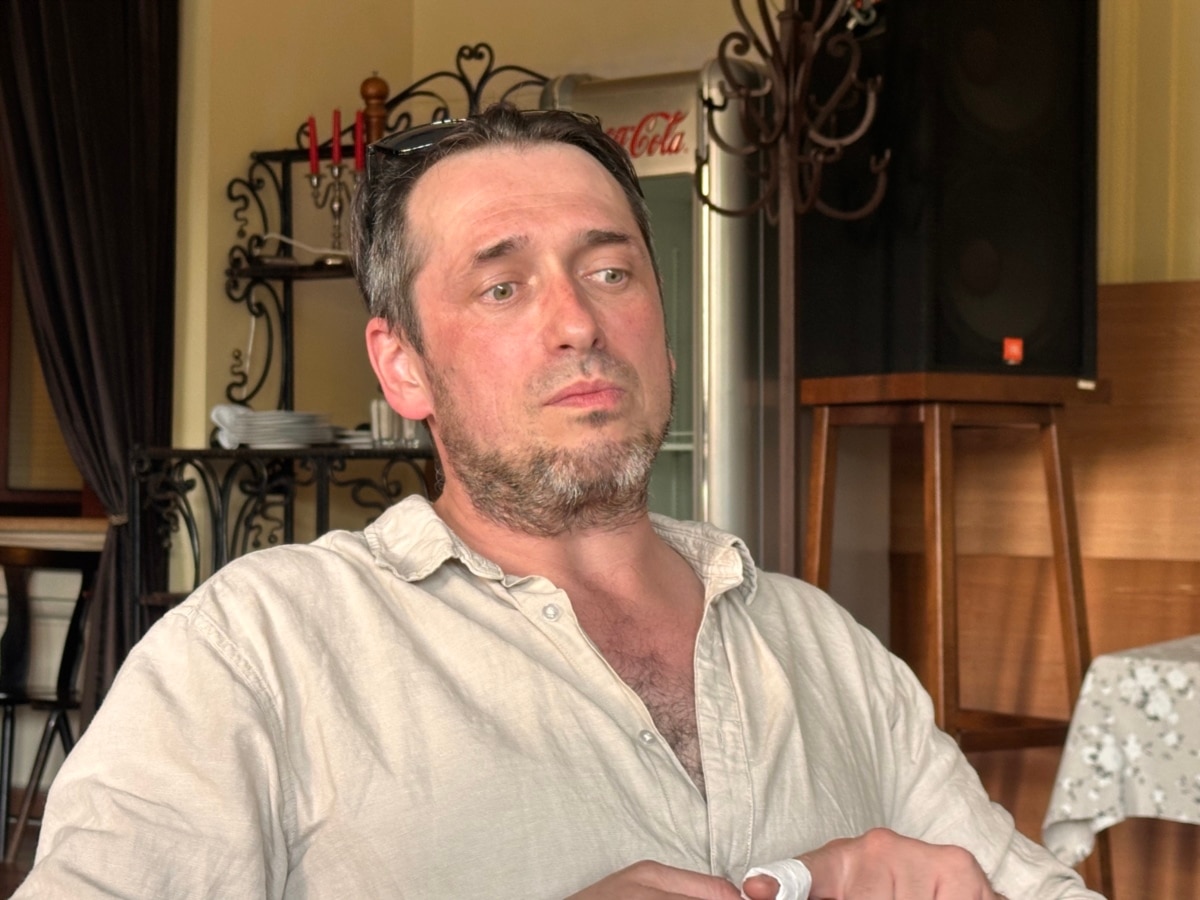
Snitsarchuk admitted that he initially resisted Nudyk's proposal to create the play. He felt uncertain about whether Ukrainian society was ready to confront war themes on stage, observing that many civilians currently seek to avoid the harsh realities of the conflict. To make the performance accessible without diminishing its impact, Snitsarchuk incorporated elements of irony and comedy.
Snitsarchuk also noted the challenge of balancing military duty with artistic work. He explained that the army does not offer flexible choices, though he has managed to combine service with rehearsals so far. He added lightheartedly that if duty calls him away, he might have to continue directing by telephone.
Nudyk requested specifically that scriptwriter Roman Onyshkevych include humor alongside the drama. As a result, the production blends pain and tension with irony and dark humor to reflect how soldiers and chaplains cope with trauma in combat zones.
Portraying Humanity Rather Than Superheroes
Nudyk explained that meeting Father Dominik inspired the initial idea for the performance. Having realized the heavy thoughts and daily difficulties chaplains endure, Nudyk felt driven to portray the chaplain's authentic voice, regional dialect, and speech rhythms.
Nudyk stressed that his main goal was not to play a distant holy figure, but rather to embody a human being navigating the horrors of war. He described capturing the internal world of an ordinary person in uniform as the most challenging task of his acting career.
Father Dominik remarked that popular films and books often depict military chaplains as invulnerable superheroes. He expressed satisfaction that the play instead presents the vulnerable internal state of clergy on the front lines, reflecting the unromantic reality he experienced in combat zones.
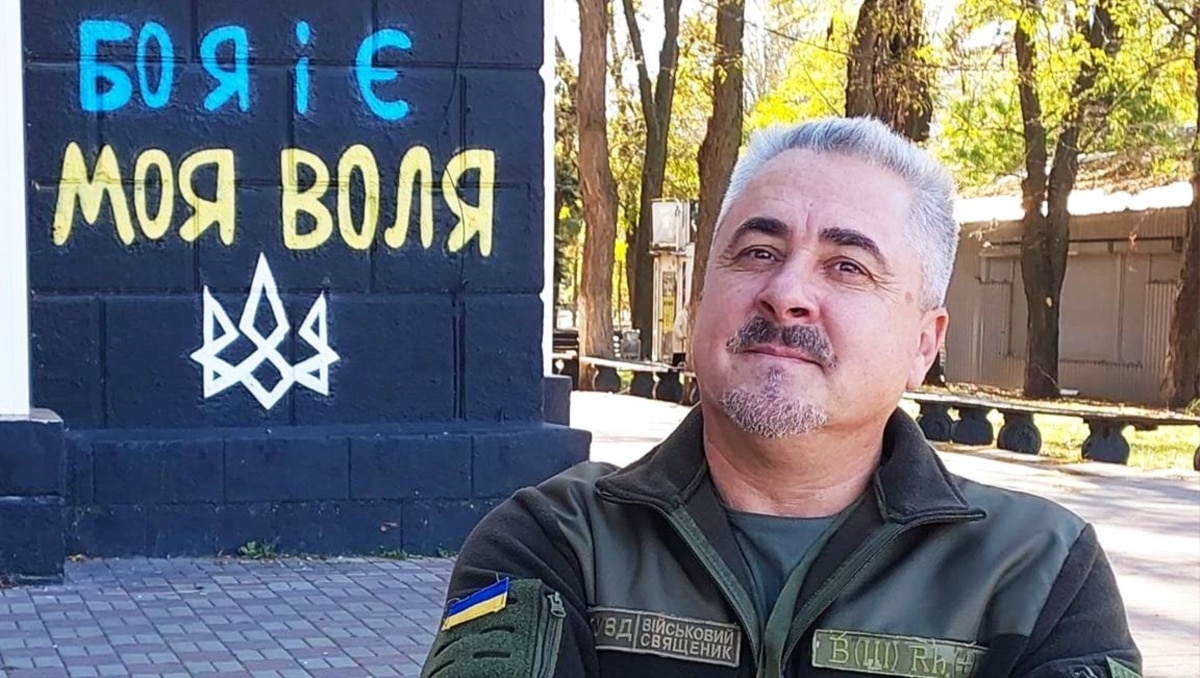
Father Dominik shared his experiences openly with the writers without fear of casting a shadow over the church. He emphasized that the hardest part of his chaplaincy is delivering news of a soldier's death to grieving families. The most unpleasant duty, he added, is counseling soldiers who refuse to enter dangerous combat positions, an experience shared by many chaplains across military units.
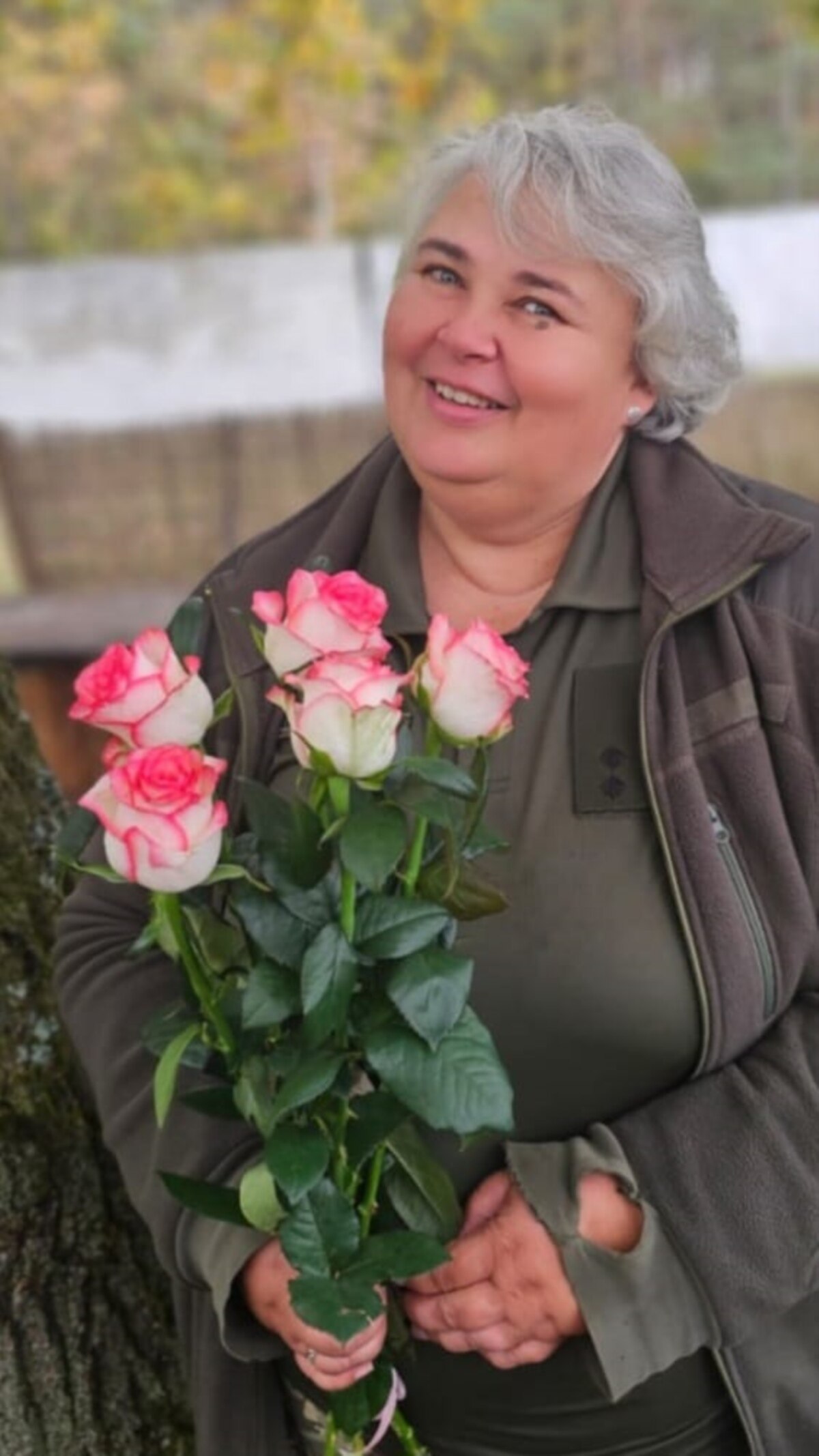
The title of the play, The Chaplain's Tango, reflects the rhythmic dynamics of the tango dance. The sudden forward and backward movements symbolize the chaplain's internal mood swings, doubts, and search for the boundary between spiritual duty and human nature. Father Dominik noted that if the performance reminds audiences that the war is still going on, it has accomplished a good purpose.