

Families of Moroccan migrants who crossed into Ceuta are pleading for information at the Tarajal border, fearing that many of the young people who entered the Spanish enclave drowned and that their bodies have not been recovered. Beatriz Mesa, COPE's correspondent in Morocco, said on the radio program La Linterna that the families are demanding maximum cooperation between Spain and Morocco to get news of their children's whereabouts.

The anguish at the border is the starkest sign of an unprecedented migratory and diplomatic crisis in the autonomous city of Ceuta. A mass entry of 72,000 migrants from Morocco, concentrated mainly since Thursday, July 30, has completely overwhelmed local services, with a flow of people nearly equal to the city's entire population.
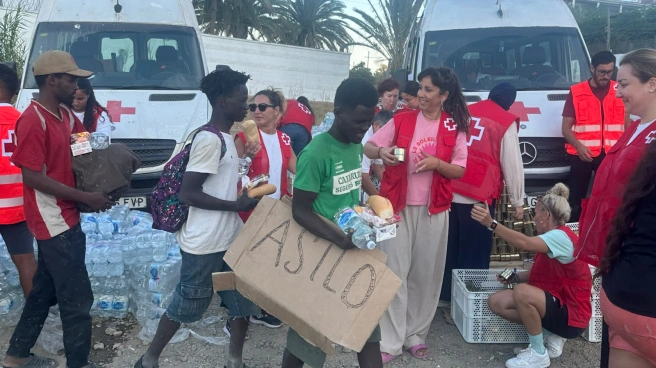
An Unprecedented Humanitarian Crisis
Spain's Interior Ministry has confirmed that 70,000 of the migrants have already returned to Morocco, most of them voluntarily, though an estimated 2,000 to 2,500 people remain in the city. The official death toll stands at 88, most of them from drowning while trying to swim around the border breakwaters.
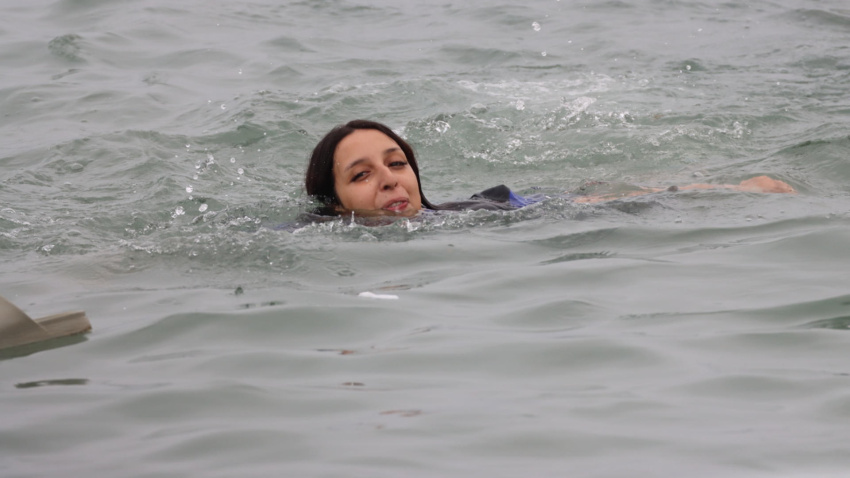
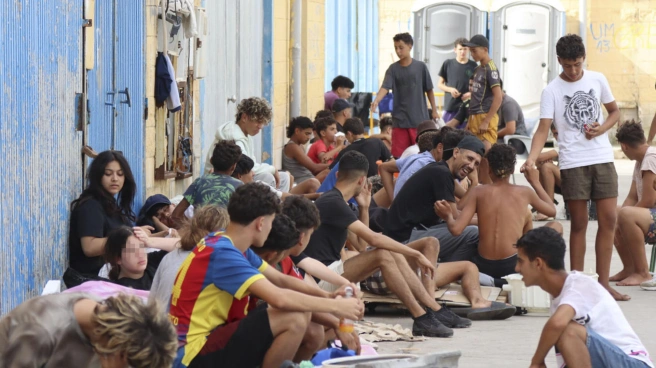
To respond to the emergency, particularly for unaccompanied minors who entered during the crisis, the government announced an extraordinary allocation of 25 million euros to cover their upkeep and guardianship. Eduardo Sánchez, a lawyer specializing in minors, said that if the minors in Ceuta are not claimed, they must remain under state protection, with housing, healthcare and education guaranteed to them.
Morocco's Official Account
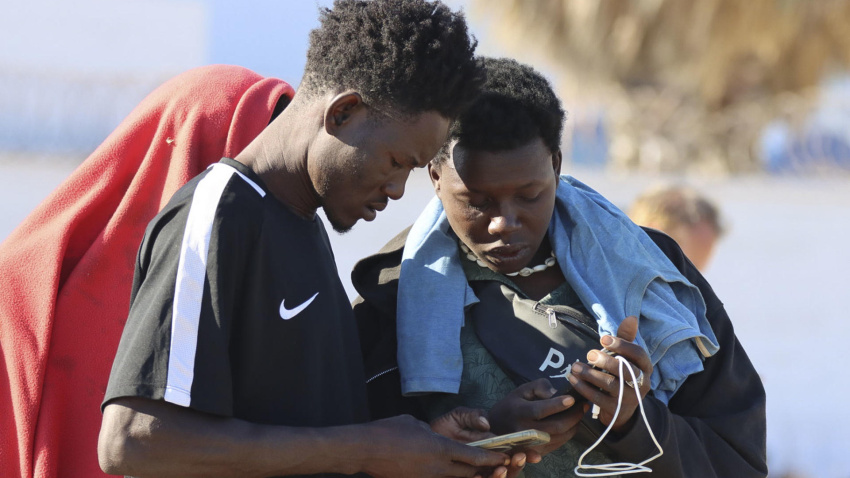
While tension remains palpable in Ceuta, the government in Rabat has distanced itself from the crisis. Mesa said on La Linterna, hosted by Rubén Corral, that Moroccan official sources deny having used migration as a form of pressure or blackmail. Those sources said the crisis had been managed efficiently and that cooperation was essential in returning the thousands of Moroccan citizens who entered Ceuta.
Xabier Gómez, bishop of Sant Feliu de Llobregat, said of the situation in Ceuta that many governments use migration as an electoral weapon, creating fear and distrust.
The same Moroccan government sources said the cooperation is maintained throughout the year to prevent crossings at any coastal point between Spain and Morocco. To support that claim, Rabat presented figures on its actions: in 2025 it thwarted nearly 75,000 attempts at irregular migration, which combined with 79,000 in 2024 brings the total to 160,000 people intercepted over two years.
Political Tension and Geopolitical Debate
Despite the declarations of goodwill, handling of the crisis has triggered intense political debate in Spain. Interior Minister Fernando Grande-Marlaska has publicly defended that the National Intelligence Center, known as the CNI, sent no prior report warning of the scale of the crossing. Police commanders in the area and experts, including former CNI director Jorge Dezcallar, have noted that Spanish intelligence knows Morocco better than anyone, fueling doubts about the lack of foresight.
Suspicion that Rabat carried out a hybrid offensive has grown as the profile of the migrants has come under scrutiny: most were Moroccans from the region who arrived in a coordinated manner coinciding with the Feast of the Throne. Former minister Federico Trillo has pointed to what he called a dereliction of duties by the Spanish government in the face of a Moroccan strategy he described as inexplicable and unexplained.
Columnist Zarzalejos, writing in El Confidencial, said Prime Minister Pedro Sánchez did not convene the National Security Council over the Ceuta crisis for purely political reasons, which he said amounted to a lack of institutional responsibility.
The crisis has also had repercussions in the European Union. Italy, Finland and Denmark initially demanded that Spain be suspended from the Schengen area over an alleged pull effect, but interior ministers from the 27 member states ultimately expressed solidarity and agreed to strengthen border controls and early-warning systems, judging the situation at the Ceuta border to now be under control.


