

Marília Campos of the Workers' Party leads voter intentions for the Federal Senate in Minas Gerais with 19 percent, according to a new opinion poll. The survey, released on Monday by the Real Time Big Data institute, positions her narrowly ahead in the race.
Domingos Sávio of the Liberal Party and Carlos Viana of the Social Democratic Party are tied for second place with 16 percent each. Former Minas Gerais governor Aécio Neves of the Brazilian Social Democracy Party trails in fourth place with 12 percent.
Marcelo Aro of the Progressives registered 11 percent support, followed by Áurea Carolina of the Socialism and Liberty Party with 8 percent. Marco Antônio Superman of the New Party received 4 percent, while Arcanjo Pimenta of the Brazilian Democratic Movement and Carlin Moura of Avante secured 1 percent each.
Seven candidates registered minimal backing and together reached 1 percent in the poll's category of other contenders. Those candidates are Ana Luiza do MLB and Fidélis Alcântara of Popular Unity, Manoel Carvalho of the Brazilian Democratic Movement, Jordano Metalúrgico and Victoria Mello Vic of the Unified Workers' Socialist Party, Juiz Ramon Moreira of Christian Democracy, and Tião Pessoa of the Workers' Cause Party. Blank and spoiled ballots totaled 5 percent, while 7 percent of respondents said they were undecided or declined to answer.
Two seats in the Federal Senate
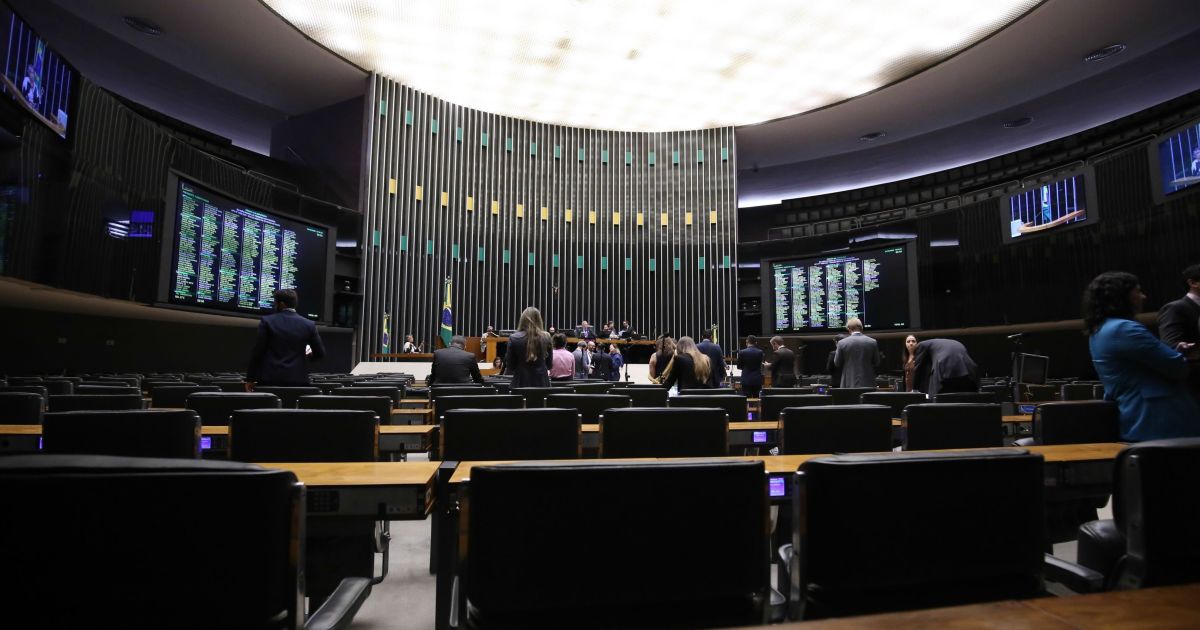
Minas Gerais voters will elect two senators in the upcoming ballot. Brazil renews its 81-member Federal Senate in alternating cycles, electing one-third of the upper house in one general election and two-thirds four years later. Because each elector in the state is entitled to vote for two candidates, the survey permitted two choices per participant, consolidating first and second votes before standardizing the figures to 100 percent.
Survey details and registration
Real Time Big Data surveyed 2,000 voters between September 23 and September 26. The poll has a margin of error of two percentage points upward or downward, with a confidence interval of 95 percent.
The research was conducted and funded entirely through the institute's own resources. It is officially registered with Brazil's Superior Electoral Court under protocol number MG-03351/2026.