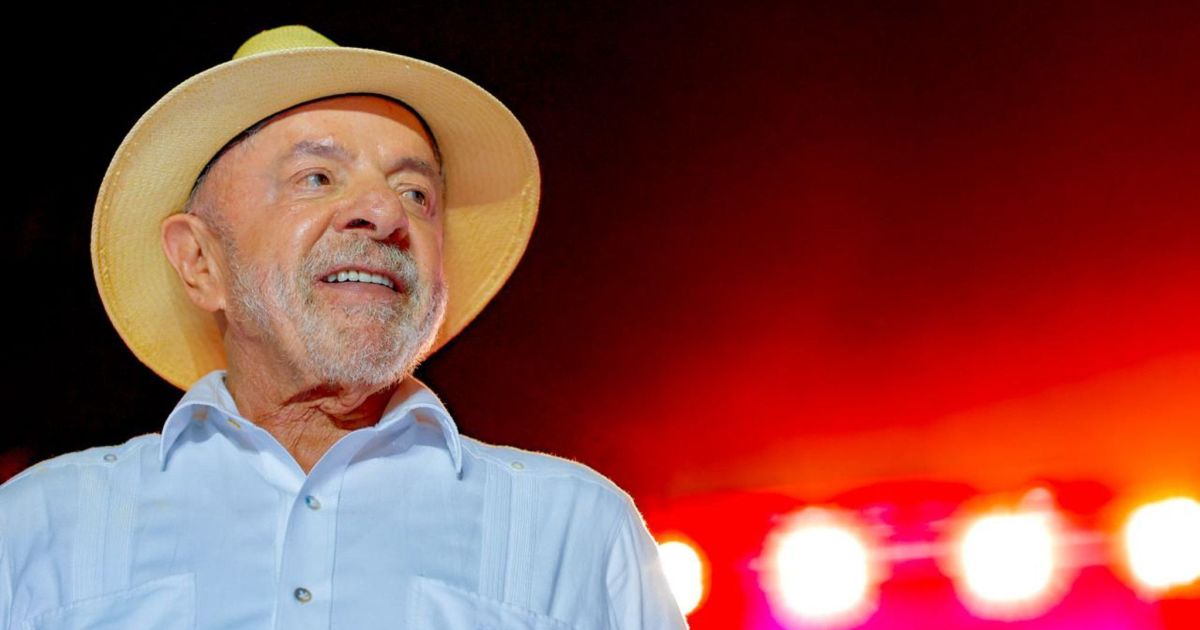
President Luiz Inacio Lula da Silva will confront opposition criticism over Brazil's cost of living and rising food prices during an election broadcast on Thursday.
According to strategists from Lula's Workers' Party, the television and radio slots are aimed directly at rebutting attacks led by opposition senator Flavio Bolsonaro. Allies of the president had previously expressed concern that his campaign was appearing disconnected from the everyday economic pressures facing ordinary households.
Campaign insiders acknowledged that earlier broadcasts had focused heavily on abstract national themes such as sovereignty and critical minerals. In response to internal criticism, the new program will pivot directly toward household grocery bills and government assistance.
The broadcast will emphasize that Lula's administration eliminated federal taxes on the basic food basket through a major tax reform. It will draw a direct contrast with the administration of former president Jair Bolsonaro, arguing that the former conservative leader chose to lower taxes on private jets and jet skis instead.
Food inflation comparisons
Lula will also present figures comparing grocery price trends between the two administrations. According to the campaign material, food prices rose by 13 percent over the past four years under Lula, compared to a jump of 54 percent during Bolsonaro's term in office.
Alongside price comparisons, the leftist leader will promise to expand the annual revenue ceiling for Brazil's individual microentrepreneurs, known as the MEI category. Political allies view the measure as a vital step to win over self-employed workers who have drifted away from the government.
A legislative proposal already submitted by the government to the National Congress sets out a phased increase to the microbusiness cap. Under the plan, the annual revenue threshold of 81,000 reais will rise to 110,000 reais in 2027 and reach 140,000 reais in 2028. Registered operators will also be permitted to hire up to two employees.
Opposition response and voter resistance
The MEI system was established in Brazil to help informal and sole traders register their businesses, pay reduced taxes and gain social security protections. Lula's inner circle has acknowledged behind the scenes that breaking resistance among this entrepreneurial electorate remains difficult, posing a persistent challenge for the Workers' Party.
Members of Flavio Bolsonaro's campaign dismissed the strategy, insisting that the fresh television broadcast would fail to improve the president's political standing.
An ally of Flavio said the incumbent had four years to do something unprecedented to solve the cost of living. The ally added that an unprecedented television program would certainly not put food on people's plates.