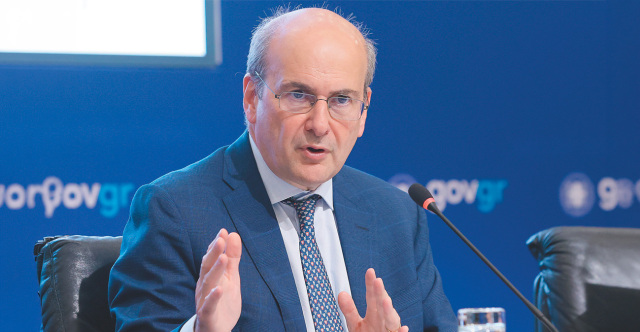
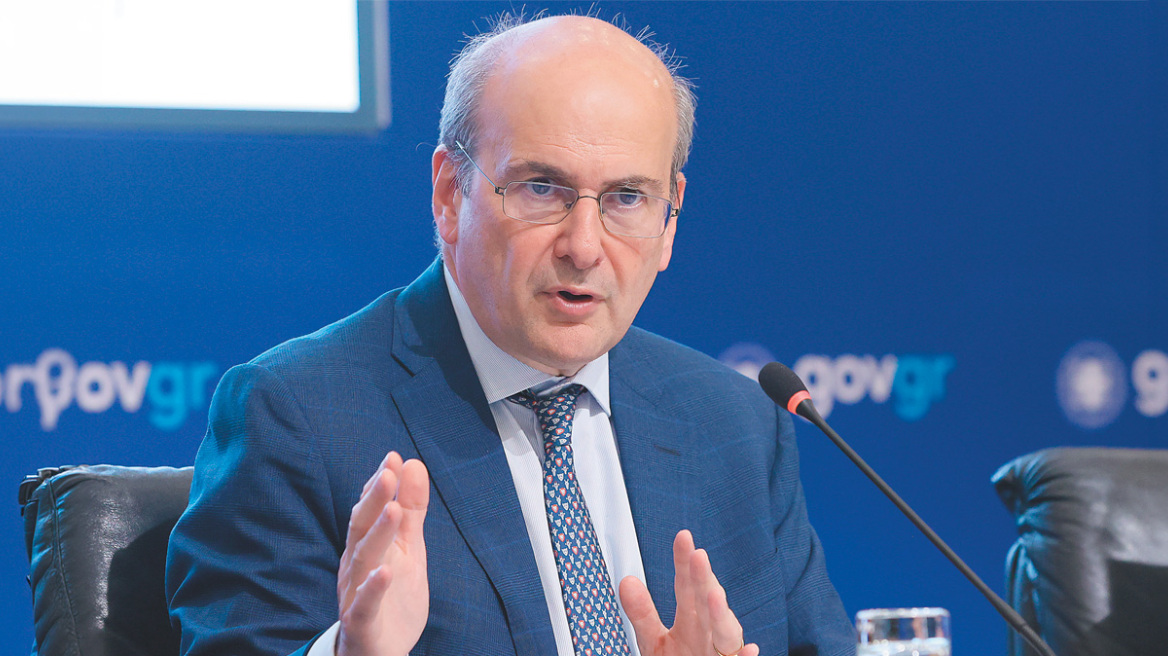
Greek Deputy Prime Minister Kostis Hatzidakis has presented the final account of the country's 35.95 billion euro European Union recovery package, asserting that Greece has fully utilized all available funding despite criticism from opposition parties.
Speaking as the Recovery and Resilience Facility reaches its conclusion, Hatzidakis rejected statements from political opponents who characterized the government's management of the program as a failure. He stated that final disbursements expected by the end of the year would complete the absorption of the entire financial allocation.
The total financial package available to Greece comprised 18.22 billion euros in direct grants and 17.73 billion euros in loans. The European Union established the Recovery and Resilience Facility as a temporary stimulus instrument to assist member states in recovering from the economic disruption of the pandemic while accelerating green and digital transitions.
Hatzidakis noted that European Union member states known as frugal countries had insisted on an unusually strict timetable for executing the recovery plan. As a result, Greece had roughly half the time normally provided under standard European Union structural funding programs, known as the National Strategic Reference Framework, to implement investments and reforms of such magnitude.
Infrastructure and Public Investment
According to Hatzidakis, hundreds of public projects were completed or advanced across the country. These included the digital transformation of public administration through the gov.gr portal and the deployment of 425 new electric buses in Athens, the national capital, and Thessaloniki, the principal city of northern Greece.
Healthcare funding supported renovations at 80 hospitals and 146 health centres, alongside a preventive medical screening initiative serving millions of citizens. Educational projects included installing interactive whiteboards in school classrooms, while major infrastructure investments saw progress on the northern section of the E65 motorway and the launch of the Spi mou 2 housing program.
Crucial legal and administrative reforms were also carried out under the framework. Hatzidakis highlighted the implementation of a new Judicial Map, the completion of the National Land Registry, a revised Local Government Code, and the codification of tax laws. Special Spatial Plans were also enacted to govern development in renewable energy, tourism, and manufacturing.
Funding for Small Businesses
Responding to claims that small and medium-sized enterprises were excluded from the funding, Hatzidakis said smaller businesses received 1.66 billion euros in approved grants. In the loan segment, small and medium enterprises accounted for 60 percent of signed contracts, backing investment plans valued at 5.9 billion euros.
Hatzidakis also cited achievements from his previous cabinet portfolios to demonstrate the impact of the recovery funds. As Minister of Environment and Energy, he managed the largest Exoikonomo energy efficiency program implemented in Greece, alongside renewable energy projects that helped transform the nation into a net exporter of electricity by reducing production costs.
During his tenure as Minister of Labour and Social Affairs, he introduced the Digital Work Card to ensure compliance with working hours and guarantee overtime pay, while also creating a Personal Assistant program for individuals with disabilities. As Minister of National Economy and Finance, he oversaw the mandatory linking of point of sale terminals and cash registers across roughly 490,000 businesses, narrowing Greece's value-added tax gap to the European Union average.

Dismissing ongoing criticism from political opposition leaders, Hatzidakis remarked that their claims did not reflect reality, concluding that actual achievements contradicted their arguments.