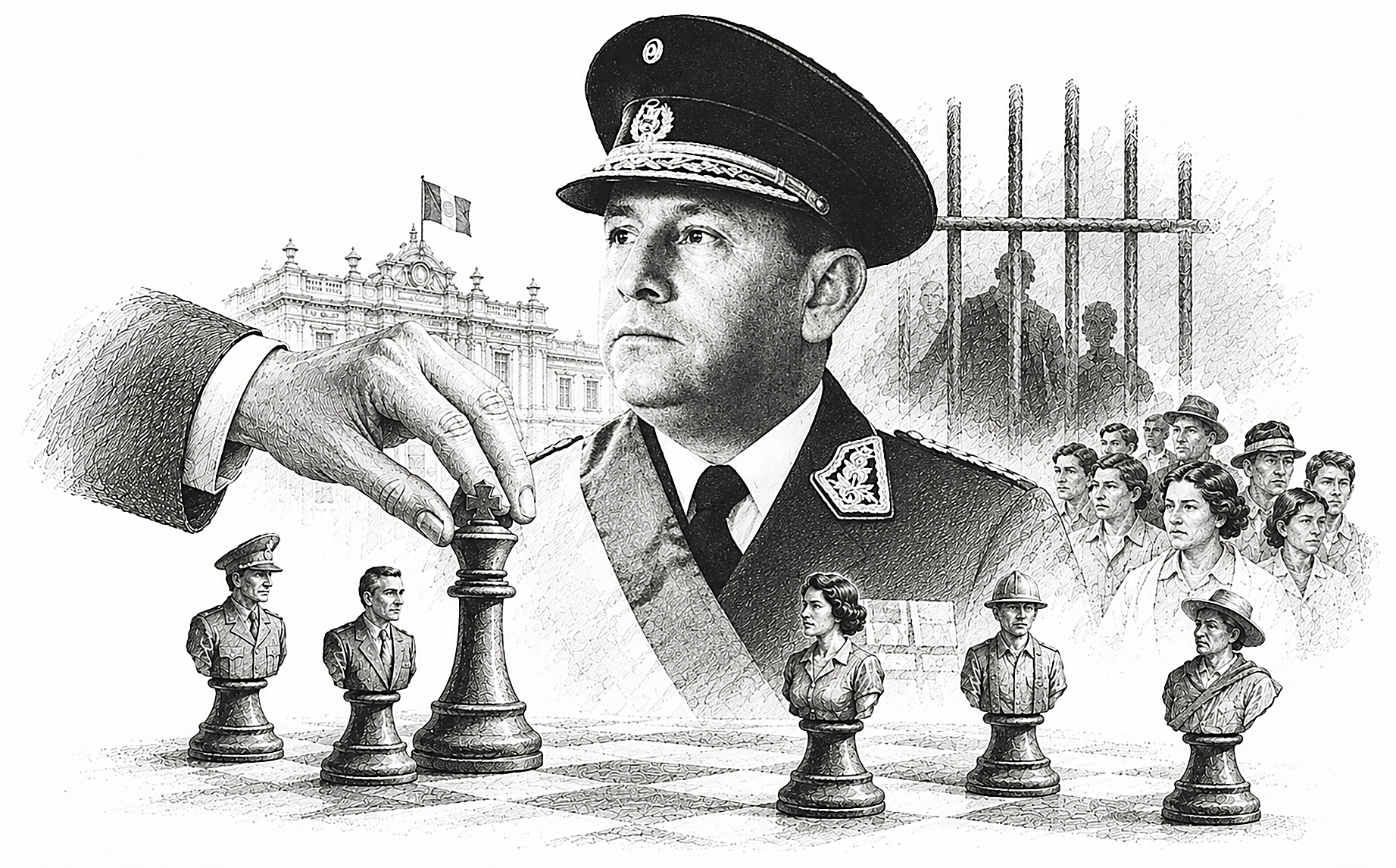
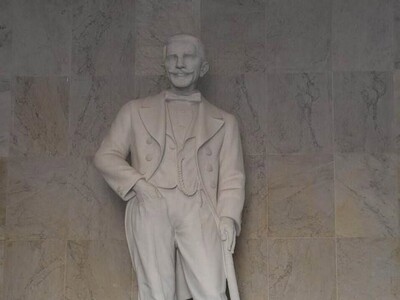
General Juan Pablo Duarte arrived in La Vega on June 25, 1844, serving as a delegate of the Central Governing Board on an official mission to restore political unity in the Cibao region.
The independence leader was dispatched from Santo Domingo to intervene in political disputes that threatened to divide the newly established Dominican Republic, while addressing growing controversy over plans to place the nation under a French protectorate.
Duarte, who had dedicated his youth to creating an independent homeland, had previously founded the secret revolutionary movement La Trinitaria in 1838 to secure freedom from Haitian rule, leading to the formal declaration of Dominican independence in February 1844.
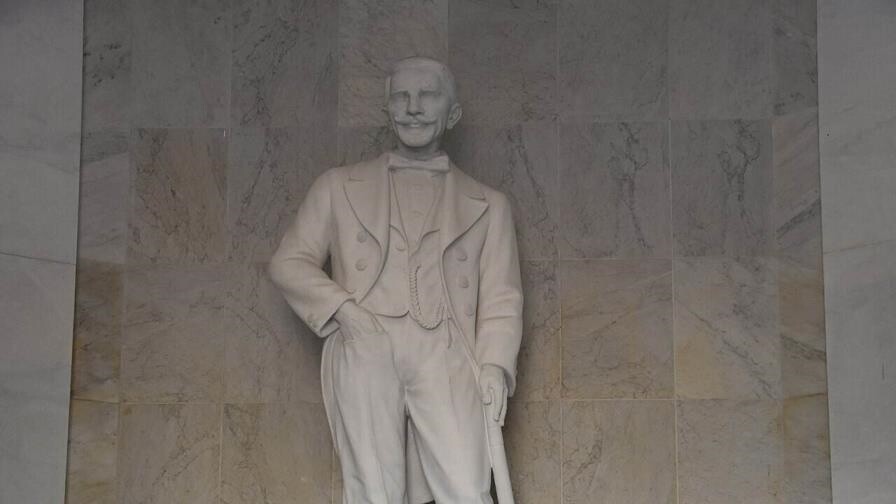
Horseback Journey Across Central Dominican Republic
Duarte began his journey from Santo Domingo on June 20, 1844, riding on horseback alongside a group of young officers that included Juan Evangelista Jiménez and Félix Mariano Lluberes.
The delegation traversed difficult rural roads, crossing mountains, rivers, and areas with limited communication infrastructure. Their route took them through San Carlos, Villa Mella, Hacienda Estrella, Guanuma, Cevicos, and Cotuí before continuing toward La Vega.
The party reached Cotuí on June 24, where Duarte remained until the following day. On June 25, he resumed his journey toward La Vega, arriving in the city at nightfall.
Upon his arrival, Duarte was greeted by local authorities and Father José Eugenio Espinosa y Azcona, a Catholic priest who had worked alongside Duarte in the independence movement. Residents gathered to welcome the general, whose public sacrifices and political ideas were well known across the town.
Stay with the Villa Sisters in La Vega
During his stay in La Vega, Duarte was hosted at the home of the Villa del Orbe family, specifically by three sisters known as the Villa sisters: María del Carmen Villa del Orbe, María Francisca Angustia Villa del Orbe, and Manuela Estefanía Villa del Orbe.
The sisters were the daughters of Juan Ramón Villa and María de la Antigua del Orbe Núñez. Their father had been a prominent figure in La Vega society, holding multiple military and public roles before his death on November 13, 1843.
Historical records clarify that Duarte did not visit the parents of the Villa sisters during his June 1844 trip, as Juan Ramón Villa had died seven months prior. Instead, Duarte stayed at the residence because of his close connections with the family and the patriotic environment the sisters had fostered in the city.
The Villa sisters held a special place in Dominican history, having crafted the first Dominican flag flown in La Vega and the wider Cibao region on March 4, 1844. The flag symbolized the new national identity and the commitment of local residents to support the newly proclaimed republic.
Regional Support and Proclamation in Santiago
Local historical tradition records that La Vega had formalized its declaration supporting independence on March 4, 1844, becoming the first town in the Cibao region to raise the tricolor flag.
Duarte remained in La Vega until June 29, 1844. His sister, Rosa Duarte, later recorded that he stayed in the city for several days to satisfy his friends and the local public, who received him with warm demonstrations of affection.
On June 29, Duarte left La Vega for Santiago, arriving there to a triumphant public reception on June 30.
Throughout his travels in the Cibao, popular support for Duarte expanded rapidly. Communities across the region viewed him as the leader best suited to head the new republic, culminating in Santiago where enthusiastic supporters proclaimed him as a candidate for the presidency.
Duarte had not undertaken the journey to seek executive power, but to fulfill his assignment of serving the republic. Traveling without luxury on horseback alongside young officers, he worked to sustain a fragile political project threatened by internal discord and external pressures.
The stay at the Villa residence brought together two facets of the independence movement: Duarte's political philosophy and the civic contributions of Dominican women who created the national flag. The episode demonstrated that the struggle for independence engaged mothers, sisters, and families alongside soldiers and politicians, with some offering weapons or financial resources, others providing leadership, and the Villa sisters stitching the flag of the new republic.