

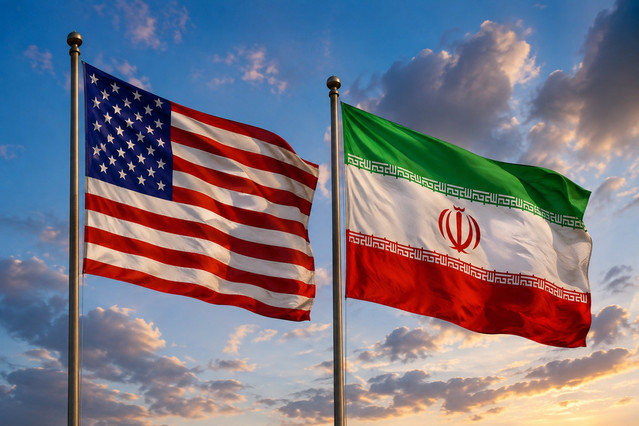
Iran has warned Gulf countries that any new United States military attack on its territory will trigger retaliation against critical energy infrastructure across the region, according to five sources cited by Reuters. The warning followed statements by US President Donald Trump on July 28 threatening strikes against Iran's energy grid and infrastructure.
Iranian Foreign Minister Abbas Araghchi conveyed the message during contacts with counterparts in Saudi Arabia, Turkey and Qatar, as well as Pakistan's army chief. Araghchi asked US allies in the Gulf to use their influence with Donald Trump to prevent new attacks.
Tehran signaled that a US strike would prompt responses against American facilities and regional energy infrastructure, though diplomatic sources noted Iran still views a diplomatic solution as the best way to prevent general conflict. Saudi Crown Prince Mohammed bin Salman subsequently contacted Donald Trump to request a delay in military action, a return to negotiations, a ceasefire and a diplomatic settlement.
Diplomatic Outreach and Potential Targets
Tehran directed its warning to all Gulf states, primarily through Saudi Arabia and Qatar. Qatar, Oman and Saudi Arabia have also urged Washington to restart talks with Iran to prevent further military escalation.
An Iranian official said Tehran is considering potential targets including refineries, energy facilities, power and water supply networks, transport infrastructure and oil fields across the Gulf region. The official referenced the 2019 attacks on Saudi Aramco facilities as evidence of the area's energy vulnerability.
Tehran assesses that Washington faces a choice between a wider conflict affecting global energy markets or a negotiated settlement that cannot be framed as a clear American victory.
Leadership Communication Difficulties
In an interview broadcast on state television, Iranian President Masoud Pezeshkian said communication with Supreme Leader Mojtaba Khamenei has become very difficult during this period.
Mojtaba Khamenei has made no public appearances since assuming the role of supreme leader. He succeeded his father, Ayatollah Ali Khamenei, who was killed in one of the initial airstrikes launched against Iran by the United States and Israel.


