A cave in the Bornova hills near Izmir, Turkey, could be the site where ancient Greek poet Homer composed the Iliad and the Odyssey, according to Turkish researcher Altan Altin.
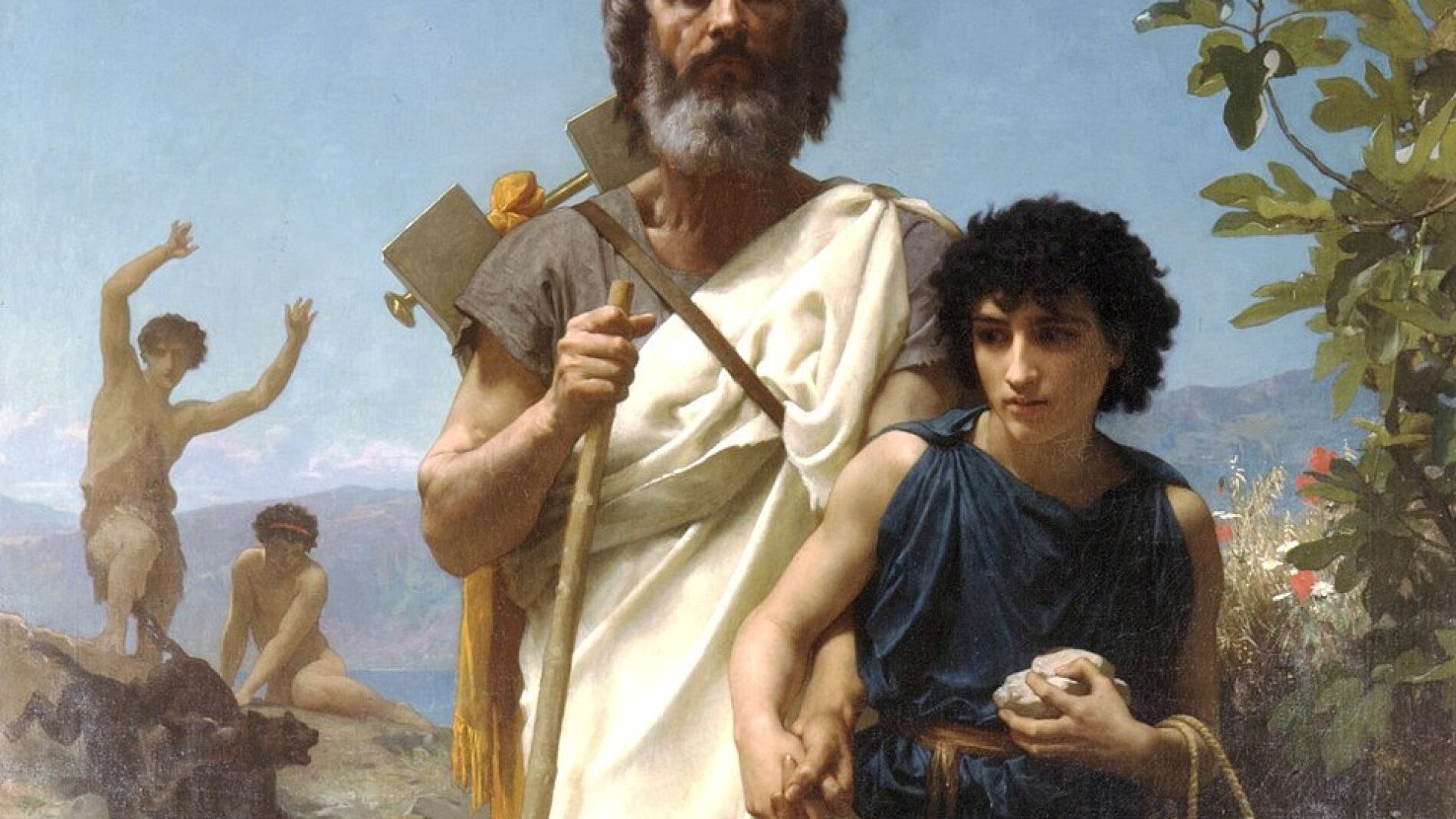
The hypothesis has reopened a centuries-old debate over the origins of Homer, the legendary author credited with composing the two foundational epic poems of Western literature.
Altin, who detailed his findings in a recently published book, noted that local residents have traditionally referred to the surrounding area as Homer's Valley. He said that travelers from various countries historically made pilgrimages to the grotto, where local tradition held that the poet wrote his works.
Access to the cave is currently hampered by an accumulation of stones. Inscriptions and graffiti of unknown age remain visible on its rocky interior walls.
Ancient Accounts and Relief Evidence
Although the lack of physical artifacts long relegated the account to local legend, written references linking Homer to the region date back to antiquity. In the second century AD, Greek geographer Pausanias recorded that a cave near the source of the Meles River was believed to be the location where Homer composed his verses.
Central to Altin's argument is a third-century BC bas-relief depicting the deification of Homer. Altin stated that the ancient relief depicts specific geographical features of the Bornova cave with surprising precision.
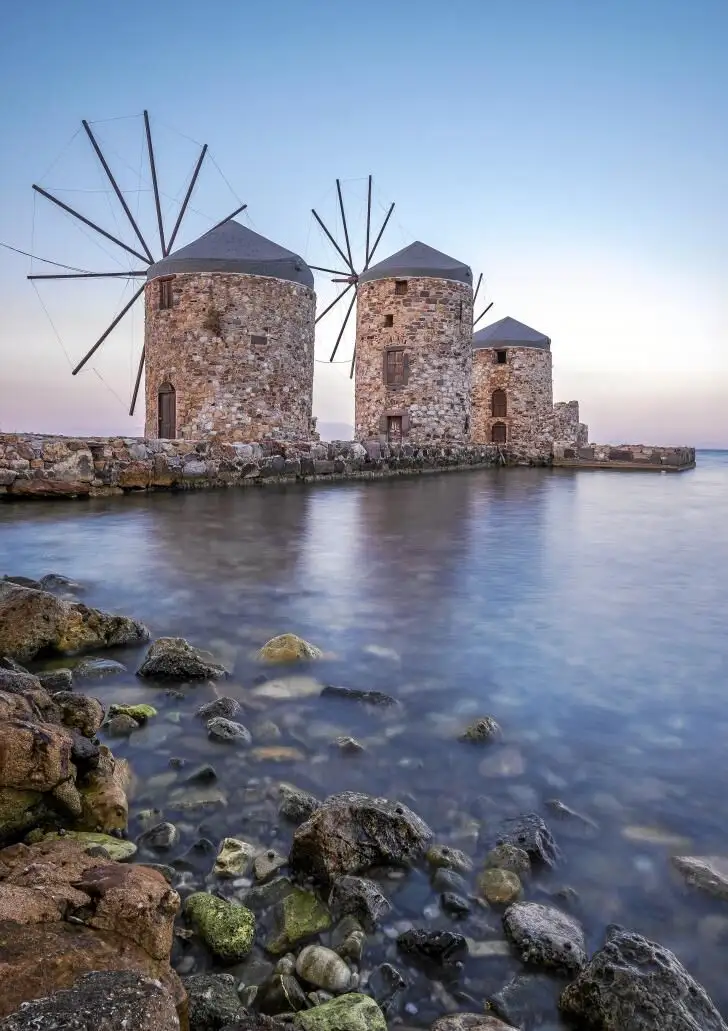
While competing locations, such as the Greek island of Chios, also claim to be the birthplace of Homer, ancient Smyrna and its surrounding area have maintained a strong connection to the epic poet for centuries.
Although the ancient carving was already known to historical specialists, Altin noted that no previous researcher had identified these topographical similarities. He acknowledged that the visual match represents his own interpretation rather than a universally accepted proof.
Other archaeological evidence supports ancient ties between Homer and the region, formerly known as Smyrna. Archaeologist Mehmet Akif Erdem highlighted ancient coins featuring Homer's portrait discovered during excavations of Smyrna, indicating that ancient inhabitants claimed the poet as one of their own.
Erdem also pointed out that the Iliad and the Odyssey were composed in the Ionian and Aeolic dialects of ancient Greek. Linguistic analysis places the geographic origin of these dialects in this coastal region of Anatolian Turkey.
Local Traditions and Political Disputes
The legacy of Homer remains deeply rooted across Bornova today. At the Neolithic site of Yesilova, the oldest known human settlement in Izmir, a marble bust of the poet greets visitors alongside an inscription declaring that he composed the Iliad and the Odyssey in that land and lived in Bornova.
The Bornova Municipal Council is currently evaluating plans to clear and restore the cave for public access. Bornova Mayor Ömer Eşki described preserving the poet's legacy as a cultural duty and stated his intention to develop the grotto into a municipal tourist attraction.
The poet's historical tie to the town triggered political friction in 2024. Municipal council members belonging to Turkish President Recep Tayyip Erdogan's party formally proposed renaming Homer's Valley after a Turkish combatant, arguing that the site should not retain a Greek designation.
Eşki firmly opposed the name change and pledged to promote Bornova's historical connection to Homer on an international scale.
Altin rejected framing the cave's history as a geopolitical dispute between modern nations. In comments reported by French newspaper Le Figaro and news agency Agence France-Presse, Altin emphasized that Homer lived 2,800 years ago, whereas the modern border between Turkey and Greece was established only a century ago.
Altin added that Homer belongs to both cultural traditions, stating that the poet is Greek and that the poet is Anatolian.