Israeli actress Gal Gadot has spoken out in defence of artificial intelligence in cinema while calling on performers and audiences to learn to live alongside the evolving technology.
Speaking on the Happy Sad Confused podcast, the Wonder Woman star addressed concerns surrounding the integration of AI tools during the production of her upcoming feature film Bitcoin.
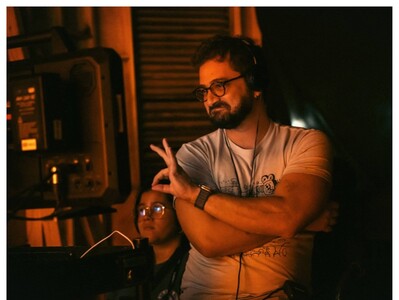
Director Doug Liman relied on neural networks to assist with set design and lighting layout while creating the movie. Gadot confessed that she initially felt anxious about how potential technological interference might affect her acting performance on screen.

She explained that her legal team spent six months evaluating every potential scenario to ensure that artificial intelligence would not impact her work. Following those extensive negotiations, the actors guild requested recommendations from her lawyers to help formulate safety guidelines for other performers across the film industry.
Legal Safeguards and Acting Performance
Although Gadot admitted to feeling fearful of neural networks, she expressed a determination to educate herself using the technology. She explained that she is studying artificial intelligence to extract the maximum benefit from it while taking active steps to protect everything within her power.
Gadot gained widespread international recognition for portraying the superhero Diana Prince in the DC Extended Universe blockbusters Wonder Woman and Wonder Woman 1984. The former Miss Israel has also starred in major Hollywood productions including Red Notice and the Fast & Furious franchise.
The Happy Sad Confused podcast, hosted by entertainment journalist Josh Horowitz, frequently features long-form interviews with leading Hollywood actors and filmmakers discussing industry developments and creative processes.
Industry Adoption of Artificial Intelligence
Liman is a veteran American film director known for helming high-profile action pictures such as The Bourne Identity, Mr. and Mrs. Smith, and Edge of Tomorrow. His work on Bitcoin represents his latest exploration of hybrid filmmaking techniques combining physical sets with digital tools.
Concerns over generative software and synthetic automation have prompted entertainment unions, including the Screen Actors Guild, to seek strict contractual protections regarding digital likenesses, performance modification, and intellectual property rights.
The wider film sector has increasingly incorporated neural networks to streamline production schedules. Russian filmmakers have previously reported using artificial intelligence to accelerate production processes, noting that industry debates have shifted away from whether technology will replace directors, artists, and screenwriters toward managing how those tools are practically applied.