Keiko Fujimori launched her government with a July 28 inaugural address that columnist Rosa Maria Palacios describes as populist in tone and fiscally expansive to an unaffordable degree, followed by a separate and strikingly different request for legislative authority oriented toward deregulation across nearly every sector of the economy.
Palacios wrote that the two documents appeared to have been written by different hands. The inaugural speech was brief but proposed spending at levels she considered unsustainable, while contradicting Fujimori's own campaign promises within the first minute.
A Legislative Big Bang
The request for delegated legislative powers, Palacios argued, amounted to what she called a legislative big bang, covering the penal code, civil code, tax law, labor law, natural resources legislation, and all laws governing executive branch organization. The deregulatory thrust extended from environmental standards to customs, mining, fishing, and hydrocarbons.
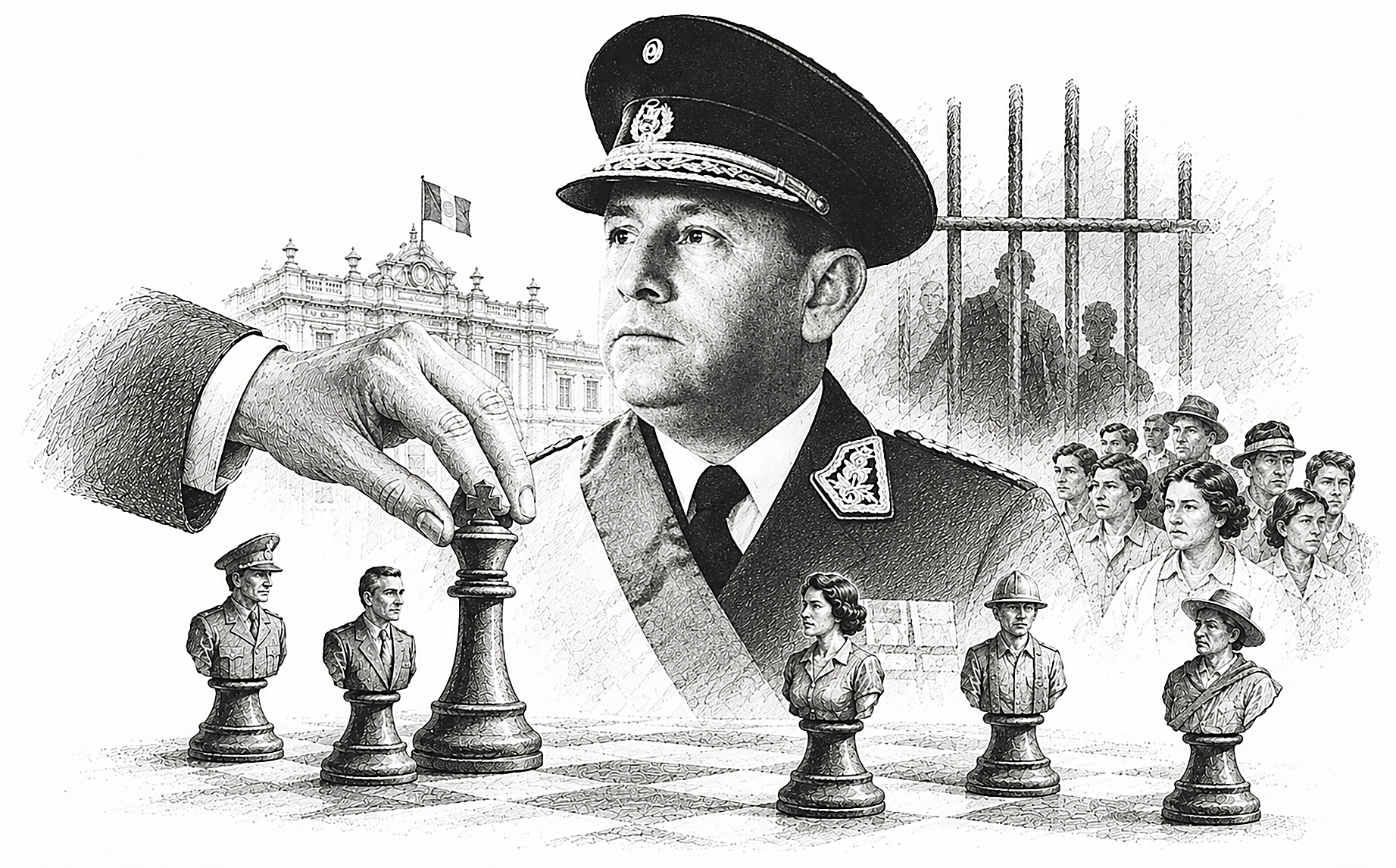
At the center of the proposal is a labor reform drafted by Elmer Cuba. Palacios described it as potentially technically brilliant but absolutely unpopular. She noted that not even Fujimori's father, Alberto Fujimori, managed to eliminate employment stability protections despite governing by decree and enjoying very high approval ratings. Selling such a reform to the public, she argued, would require sustained public persuasion, and what fujimorismo has historically shown is a preference for imposing rather than convincing.
Senate Elections and Old Ghosts
Palacios called the elections for the Senate steering committee a poor start for the government, drawing a direct parallel to the Vladimiro Montesinos bribery videos that brought down Alberto Fujimori's government. She alleged that evidence exists of vote-buying in the opposition that produced a 30-to-29 result in favor of Torres for the Senate presidency, and pointed to the barring of press from both chambers during voting as further indication of manipulation. Deputy Chacon, she wrote, was reported to have pressured colleagues more than 60 times with threats of nonexistent constitutional charges.
Silence Toward the Wounded
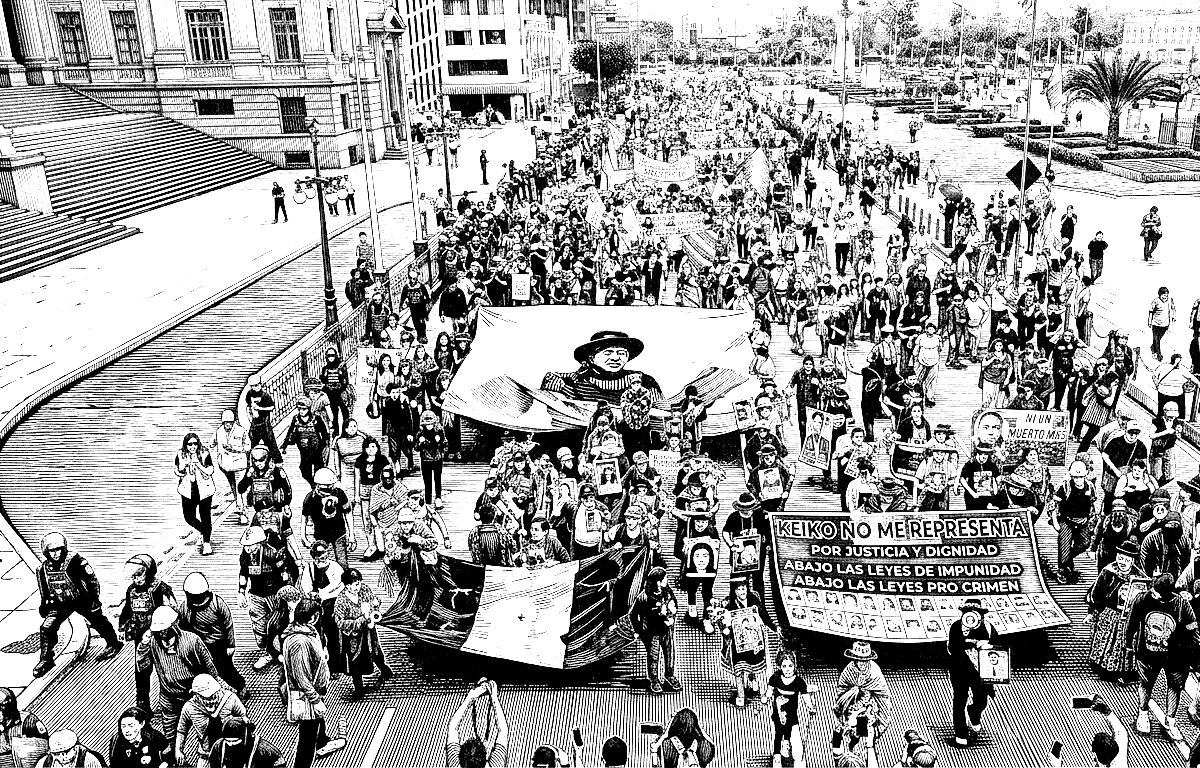
Where the new government has failed most deeply, in Palacios' view, is in reaching out to a country that did not vote for Fujimori, distrusts her, and in some cases fears her. She noted that not one word has been said about victims of violence at the hands of state agents. The only moment of symbolic acknowledgment came from Archbishop Carlos Castillo, who read the names of victims during the Fiestas Patrias mass. Palacios cited one phrase from his homily as one likely to endure: the catastrophe consists not in keeping a country divided, but in keeping it mistreated.
Humala Acquitted
The week ended, Palacios wrote, with a long-awaited act of justice. Former president Ollanta Humala and his co-defendants, described as primarily his political family, were acquitted. Palacios said she has argued since 2014, when Humala was still in office, that receiving campaign donations is not money laundering, a position she said the Constitutional Tribunal had already applied to Keiko Fujimori and has now extended to Humala.
She called on the press to draw lessons from the case, arguing that joining a media pile-on may generate short-term audience but ultimately destroys the credibility of the outlet and the journalist. Great injustices, she wrote, have been committed in the name of the fight against corruption, and media outlets bear as much responsibility as the judges and prosecutors who allowed it.