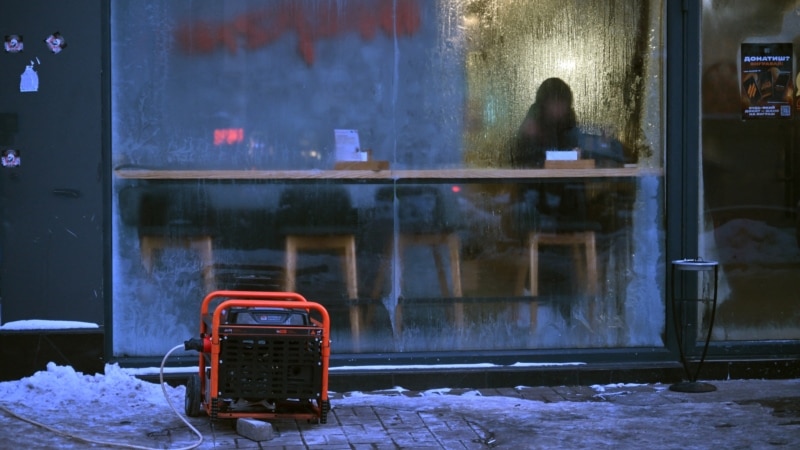
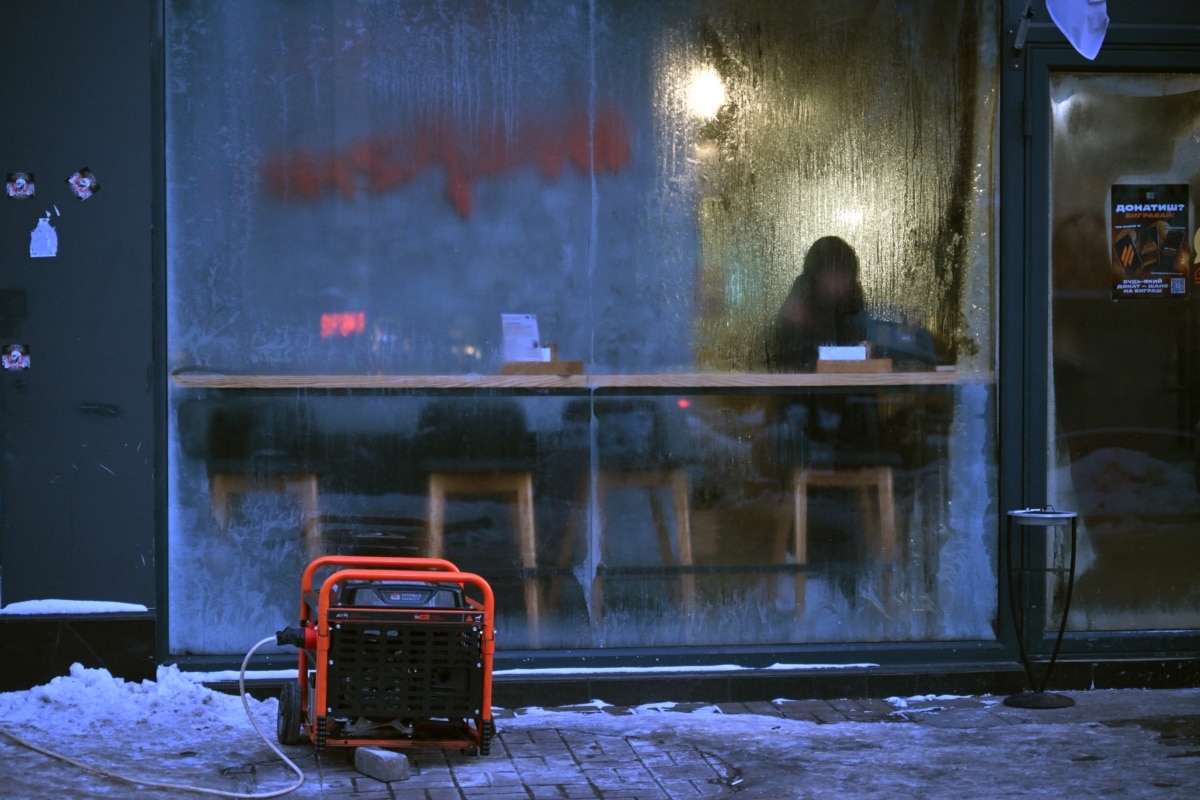
The European Union will send Ukraine 500 generators from its rescEU emergency reserves to help the country get through winter, according to a joint statement from European Commission President Ursula von der Leyen and European Council President António Costa.
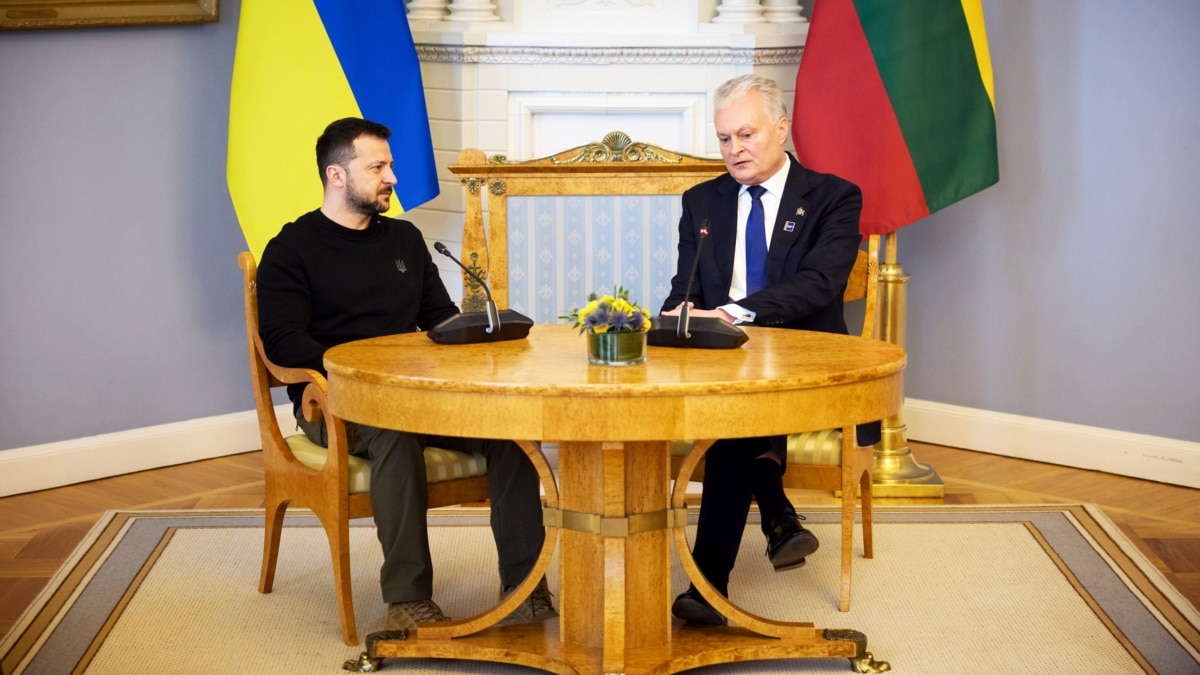
The statement followed a meeting with Ukrainian President Volodymyr Zelensky in Dublin. European partners will also help deliver four pontoon bridges from Norway and 200 buses, according to the statement.
Ukrainian Prime Minister Serhiy Korecky thanked the European Commission for its active engagement and assistance. He said he remains in constant contact with Hadja Lahbib, the European commissioner for humanitarian aid and crisis management.
Korecky said that during their conversation he and Lahbib discussed in detail the specific needs and solutions that would help people get through winter. These included backup power generation and the fuel to run it, home charging stations, logistics for fuel supply, buses to keep transport running independent of blackouts, mobile shelters for large cities, and reinforcement of existing bridge structures.
Lahbib said on 11 November that she had held an important conversation with Korecky about preparing for a difficult winter. On 12 November, commenting on the latest Russian strikes on Ukraine, she said the Kremlin was trying to turn winter into a weapon by plunging Ukrainian homes into cold, but that the EU stood with Ukraine and was preparing further assistance.
Russia's campaign against Ukraine's power grid
Russian forces began a campaign of strikes against Ukraine's energy infrastructure at the end of September 2026, ahead of the start of the country's heating season.
The United Nations' Independent International Commission of Inquiry on Russia's war against Ukraine has accused Russia of crimes against humanity over the strikes on energy facilities. The commission said that as winter approaches, the strikes are significantly affecting the physical and mental health of Ukraine's civilian population, as well as the work of hospitals.
During the winter of 2025-2026, Ukrainians were already forced to go without heating, electricity and water for long stretches during severe frosts.
The commission concluded that the Russian attacks on energy infrastructure are targeted and form part of what it described as a state policy aimed at depriving the civilian population of essential energy resources in order to cause suffering. Russian President Vladimir Putin and the country's military leadership have repeatedly said that they deliberately strike energy facilities in Ukraine.
Intercepted plan points to systematic strikes
In a report published on 7 November, the US-based Institute for the Study of War said the targeted Russian strikes on Ukraine's energy infrastructure confirm an intercepted Russian plan under which Russian forces are to systematically try to strike Ukrainian electricity production and transmission facilities. The aim, according to the institute, is to disconnect Ukrainian nuclear power plants from the unified power grid and cut Kyiv off from external power supply.
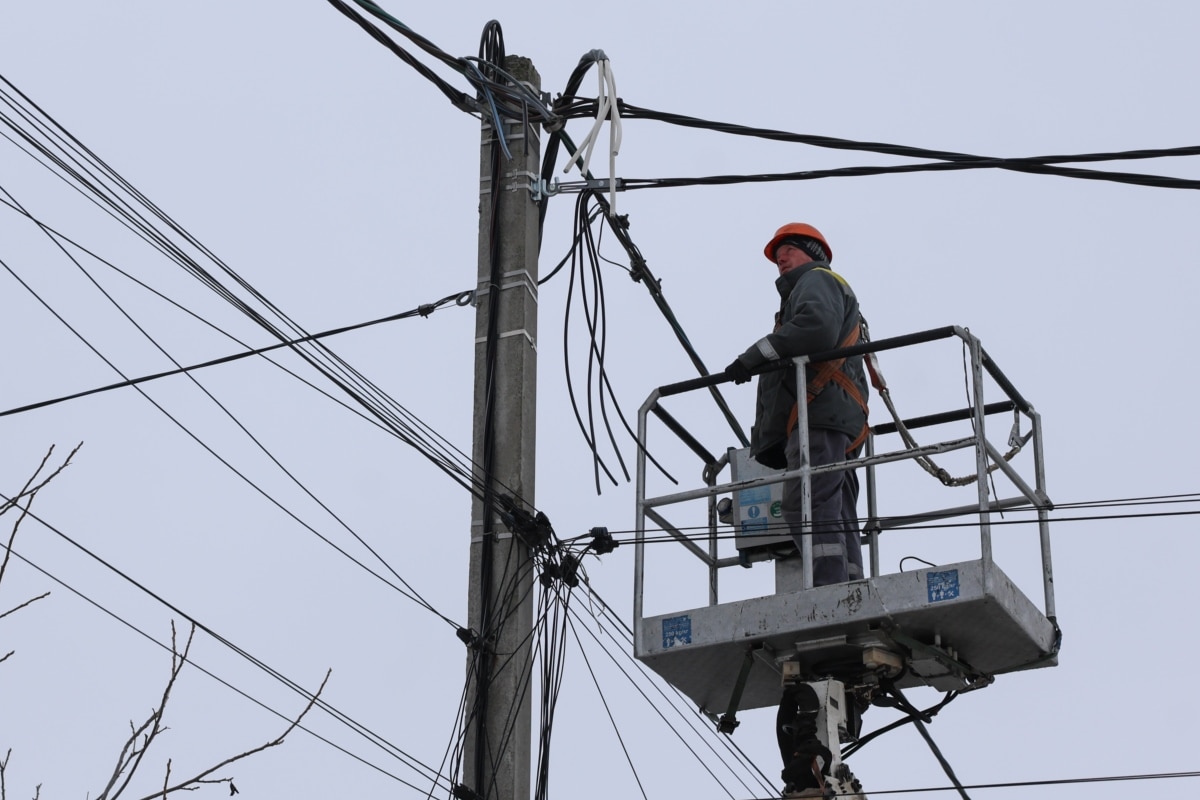
ISW analysts said Russia is using its winter 2026-2027 strike campaign to undermine Ukraine's energy security and disrupt civilian life. This, they said, underscores Ukraine's urgent need for the means to defend against massive Russian strikes and to weaken Russia's ability to carry them out.