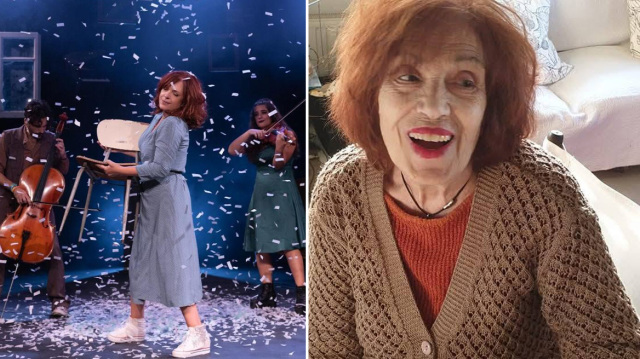
Greek actress Eleni Randou's mother has died after years of living with dementia, the actress announced in a note posted to her social media account.
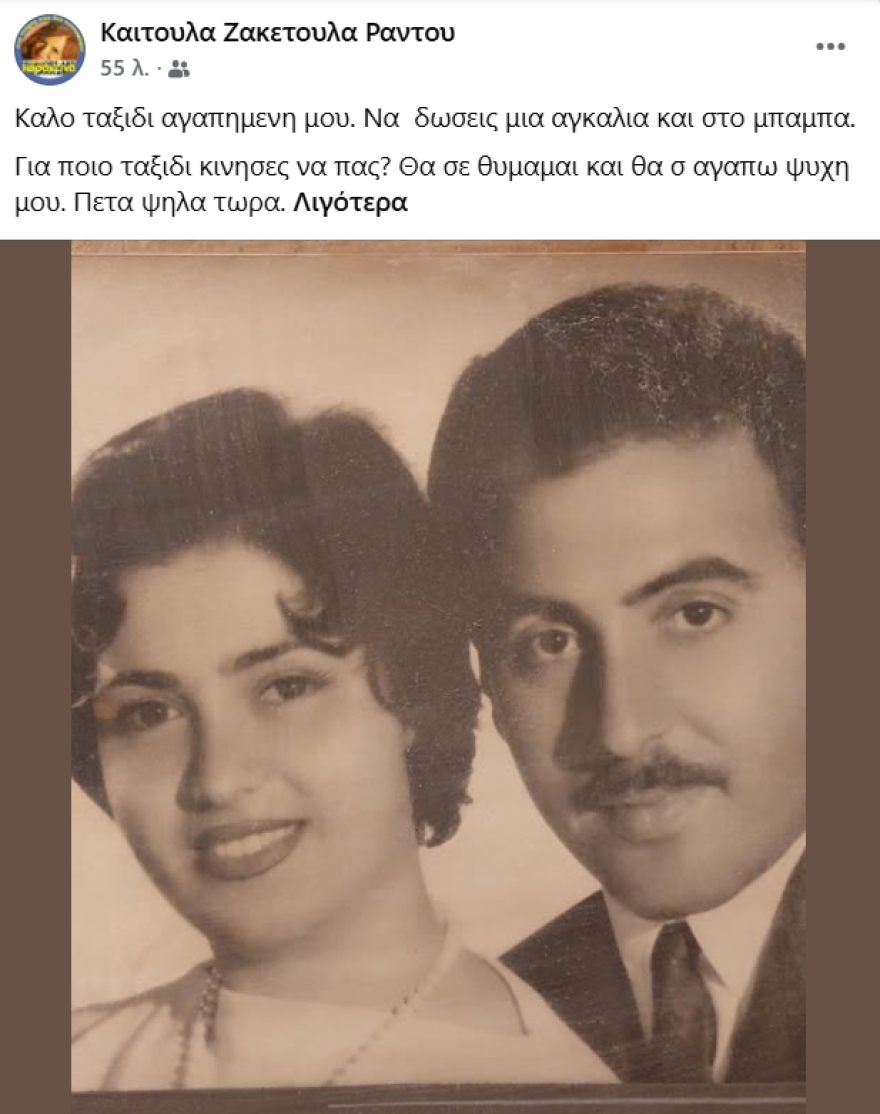
Randou wrote that she wished her mother a good journey, asked her to give her father a hug, and said she would remember and love her always, telling her to fly high now.
The death follows a long illness that Randou has spoken about publicly for years, describing how dementia gradually eroded her mother's memory and personality, and how it reshaped her own life, her work and her relationship with her mother.
Psychiatric help and years of guilt
Randou has said that at one point she needed to see a psychiatrist. She said grief caused by loss is not depression but pain, and the two should not be confused. She said she sought psychiatric help because, as she was gradually losing her mother, she felt she was going out of her mind. She said the psychiatrist told her she did not have depression and did not need medication, that she was in pain and simply afraid of how much it would hurt, and advised her to let herself feel it, because she would suffer regardless. She gave the account in an interview with Greek broadcaster ERT some years ago.
Randou has said her life filled with guilt because her mother could no longer make her own decisions. She said she felt an added responsibility for every medical and practical choice about her mother's care, and that her judgement became clouded by the fear that the wrong decision might hasten her mother's death.
She cared for her mother at home for six years before deciding to move her into a care facility, a decision that brought fresh guilt. She said that was when she began to doubt her own clarity of mind, because she could never feel she was doing the right thing.
A sitcom rerun becomes a link to the past
Randou's mother continued to recognise her in reruns of the Greek sitcom "Konstantinou and Elenis," in which the actress starred. Selective preservation of the past alongside a weakening grip on the present is a recognised feature of dementia. Although Randou has previously said she found constant reruns of her old shows irritating, she said she welcomed this one, because the sitcom became a connecting link between her and her mother, and with time itself.
Calling for state support for carers
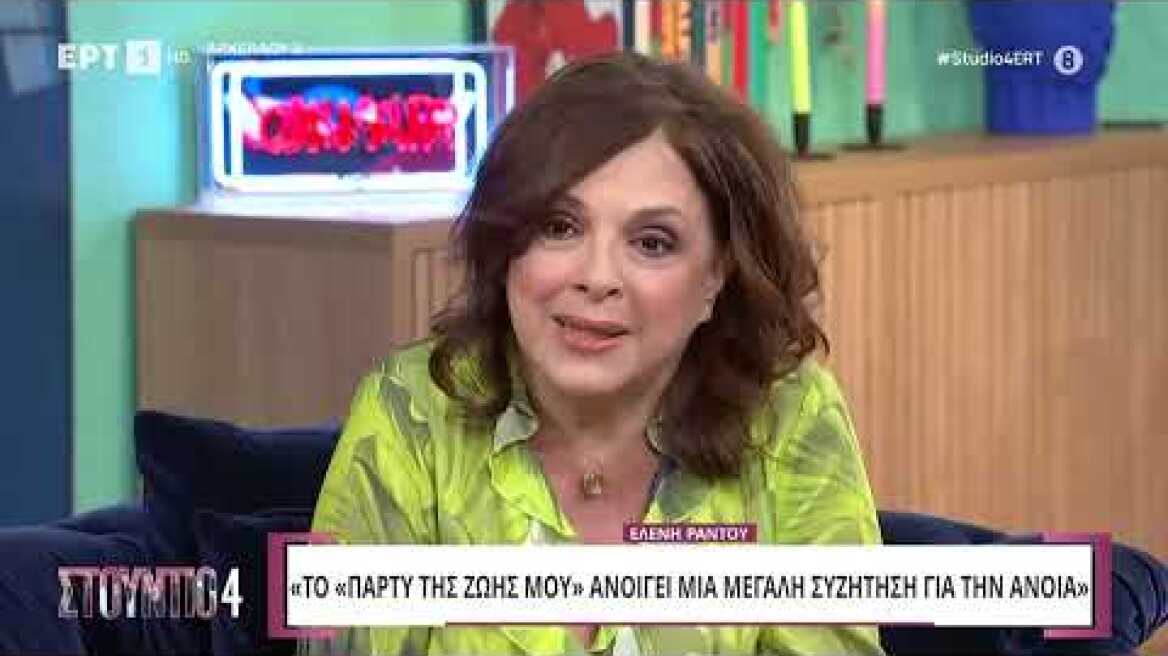
The situation left Randou psychologically overwhelmed, something she admitted as a guest on the programme "Studio 4." She described dementia as a dangerous, unbearable illness, saying a person with the condition might not know whether something they put in their mouth could be fatal. She said she wished state support would begin for everyone caring for relatives who are immobilised and need constant supervision. She said she could not reconcile herself with the illness, which has many stages, with a worse one always following as soon as she came to terms with the last. She said she worked extremely hard to distract herself, adding that decline is frightening and that no one deserves to see themselves that way.
In an earlier conversation with broadcaster Maria Bakodimou, Randou spoke about the moment the person closest to you stops recognising you. She described an initial denial, believing it is just a bad day and that recognition will return, because the illness has good days and bad days. She said that when the bad days become constant, when the person no longer turns to look at you as you enter the room, the first instinct is to take it personally, even though you have been warned it would happen. She said the real difficulty is realising you are speaking with the illness rather than the person you love, who has effectively become a stranger.
"The Party of My Life" at the Diana Theatre
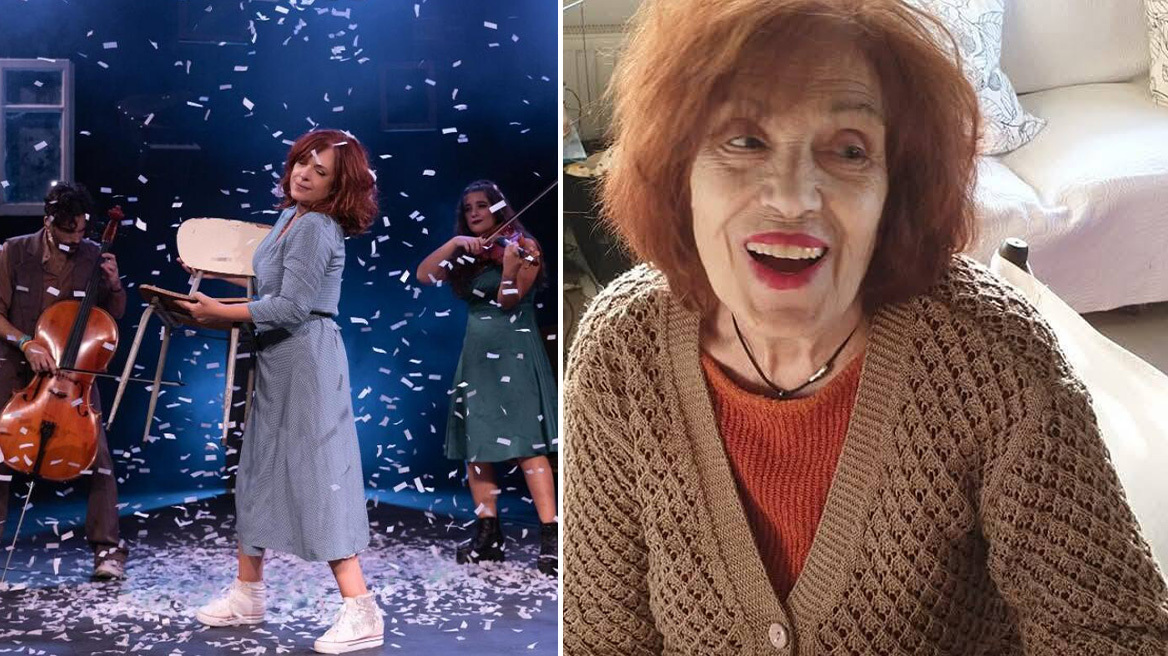
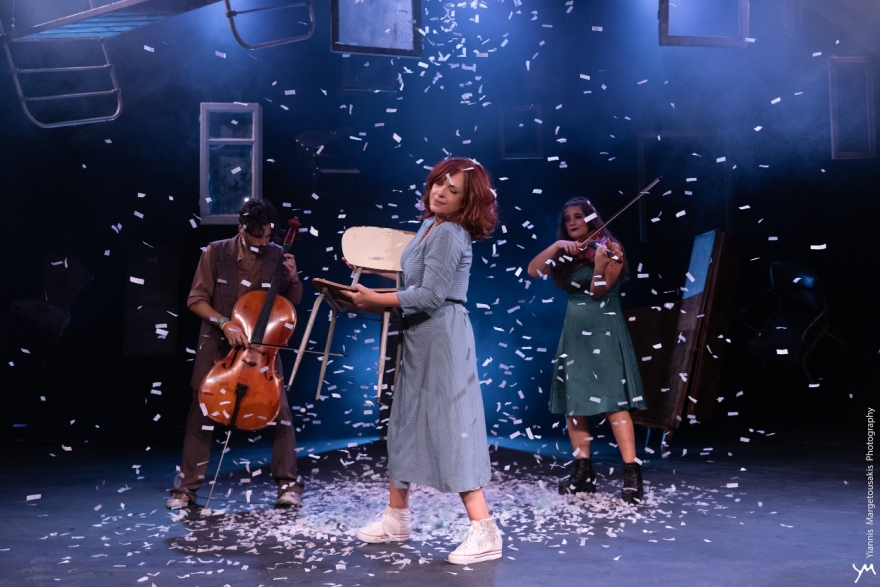
Five years ago, Randou decided to stage "The Party of My Life" at the Diana theatre in Athens. She said she created the production to reconcile herself with her mother's eventual death, but admitted she had never managed to do so, and that the closer the end came, the more devastated she felt.
Randou has said that people often leave the people they love when things become difficult, but that with her mother in a difficult state, she did not want to leave her side. She said she liked that she did not abandon a fight that was already lost. She said that when her mother died there might be a terrible kind of release, but she had never wished for her mother's death in order to achieve it. She said she still visited her mother, saw her and held her, something that had continued for around six years, and that if her mother had asked to be disconnected, she would have told her to ask someone else, because she could not have done it. No one, she said, is ready for death.
Neither, she said, was she.
Test yourself
What did Eleni Randou say a psychiatrist told her about her feelings over her mother's illness?
How long did Randou care for her mother at home before moving her to a care facility?
Where did Randou stage the play "The Party of My Life"?
Where it happened
Athens, Greece