
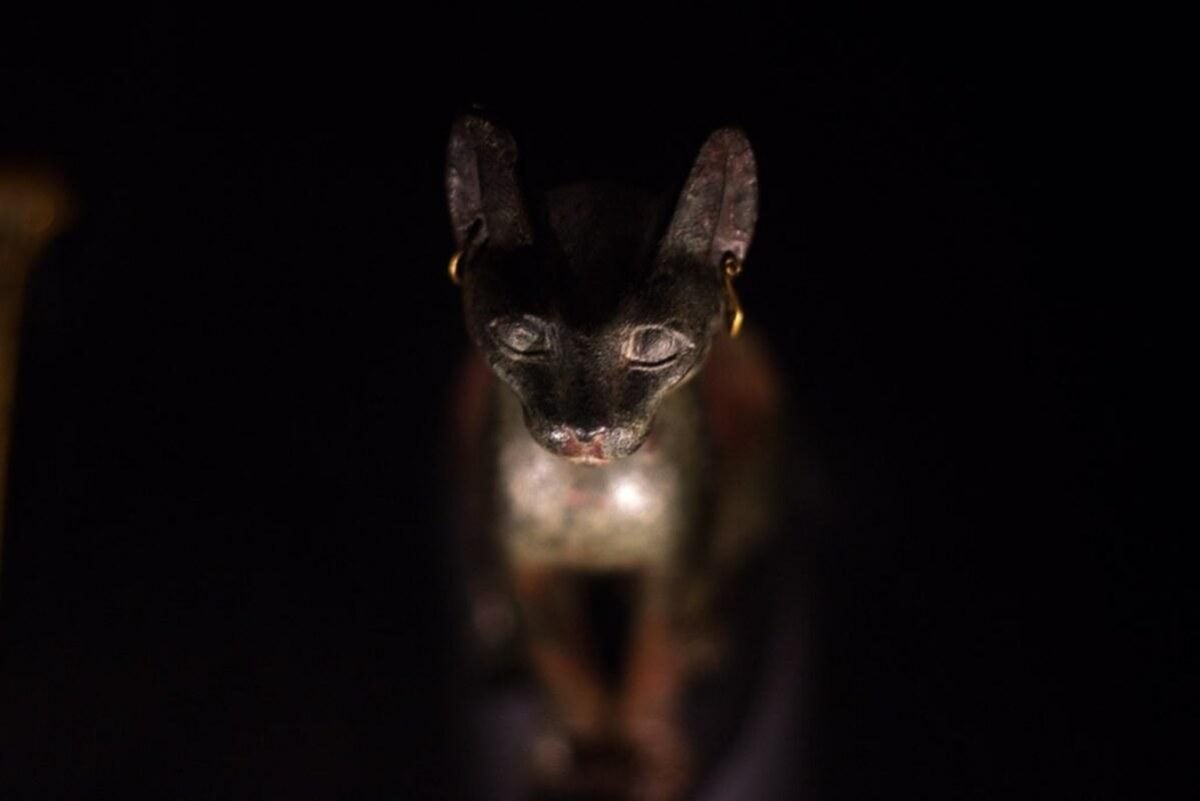
Cats in ancient Egypt were revered as sacred animals, but a new study of mummified cat skulls has found that many of them lived in poor conditions, suffering from disease, injuries and malnutrition, according to The Independent. The findings were published in the Journal of Archaeological Science.
Researchers said some cats may have been kept in cramped spaces and deliberately bred for religious rituals, a practice that could have involved cruelty toward the animals.
Study of 131 cat skulls
The research team examined 131 well-preserved cat skulls more than 2,000 years old, held in the Natural History Museum in Vienna, Austria. The scientists studied the animals' age, species and signs of injury or disease.
They found that nearly two-thirds of the cats may have had at least one illness. According to the study's authors, more than half, 62 percent, of the remains showed pathological changes, mostly dental abnormalities, along with healed fractures, puncture marks and deformations that may be linked to infections or metabolic disorders.
Among the skulls, 23 of the 131 cats showed signs of gum disease, and 24 were missing teeth.
Signs of disease and injury
Some skulls showed more serious trauma. Thirty-five had depressions on the bone surface, and 19 had small holes in the lower part of the eye sockets. Such damage may point to infections or insufficient nutrition.
Some of the puncture marks likely came from bites by other cats. On the skull of one smaller animal, researchers noticed marks resembling the fangs of a jungle cat. Other remains showed damage consistent with blows from a sharp metal object, which may indicate injuries inflicted by humans.
Evidence of human-inflicted harm
The researchers said their observations of traumatic skull injuries point to both fatal wounds and cases in which animals survived mistreatment by humans.
According to the scientists, the injuries they found point to poor living conditions for the cats, widespread infectious disease and, most likely, a lack of nutrients. The animals probably lived in a stressful environment, confined indoors rather than free to move around.
It is known that in ancient Egypt, some cats were deliberately killed before mummification, struck on the head or had their necks broken. The researchers suggest that some animals may have been specifically raised for later use in religious rituals.
The high rate of disease and injury may indicate that cats were kept in large groups in cramped spaces. Some of the damage was likely the result of mistreatment by humans, including punishment or attempts to break up fights between the animals.
Why cats were sacred in Egypt
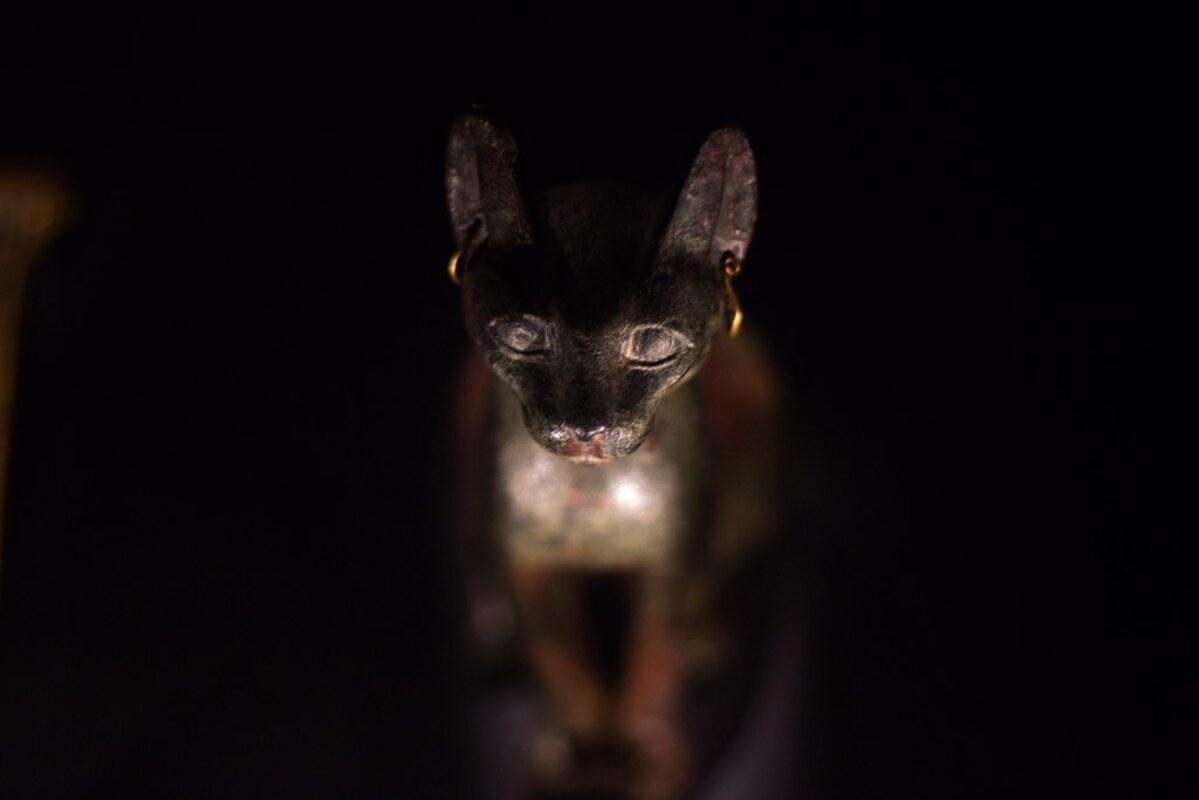
In ancient Egypt, cats were linked to the goddess Bastet and regarded as symbols of divine power. They were not only pets but also participants in religious rites. Cats also played an important role in protecting food stores, since agriculture depended on grain storage that attracted rodents, and the animals helped control rats and mice.
Reverence for cats was so widespread that, according to some accounts by ancient Greek historians, killing one of the animals in Egypt could be punished by death.