

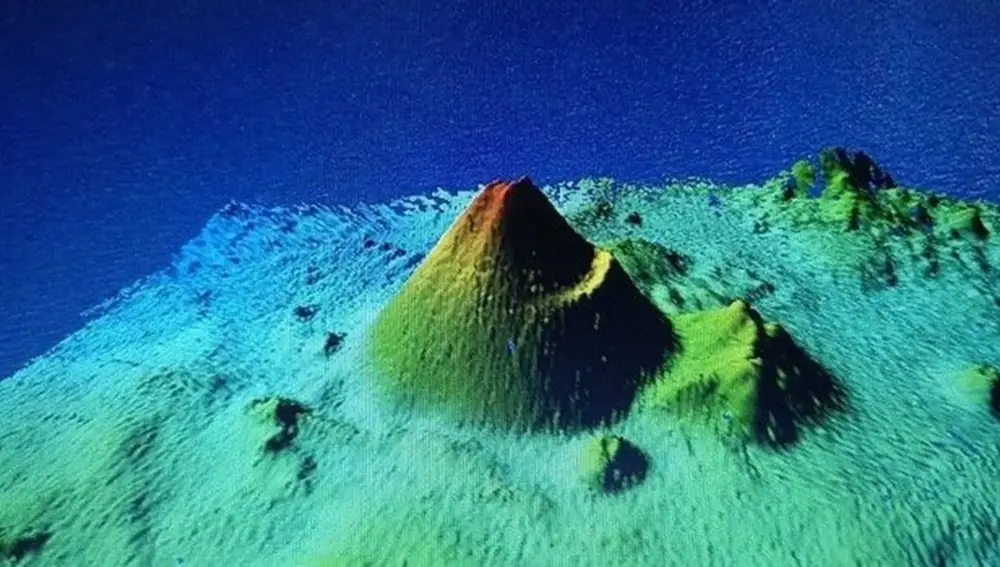
Researchers at the University of Bergen have discovered Norway's first known oil volcano, an unusual seabed structure about 70 metres below the surface of the North Sea that has been releasing crude oil, gas and warm water for thousands of years.
Christian Haug Eide, a professor in the university's Department of Geosciences, said it was the first time anyone had seen anything like it in the North Sea. He said many people had not believed such a structure could exist in Norwegian waters, and he described the find as more spectacular than the team had expected.
How the volcano was found
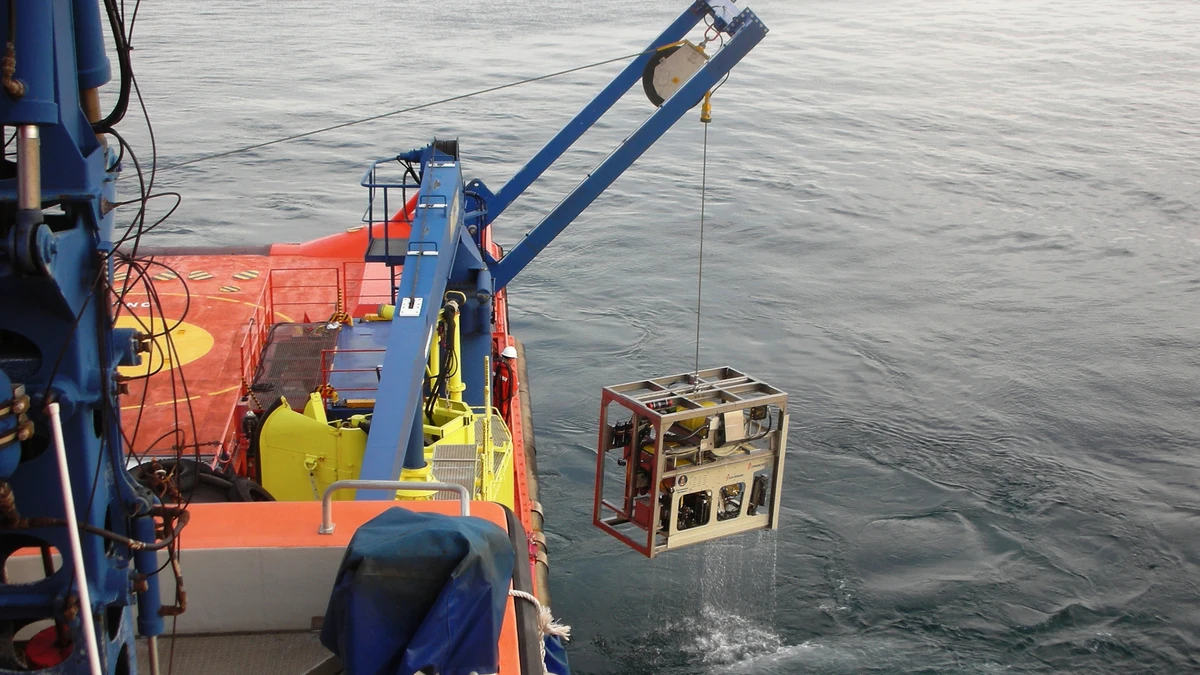
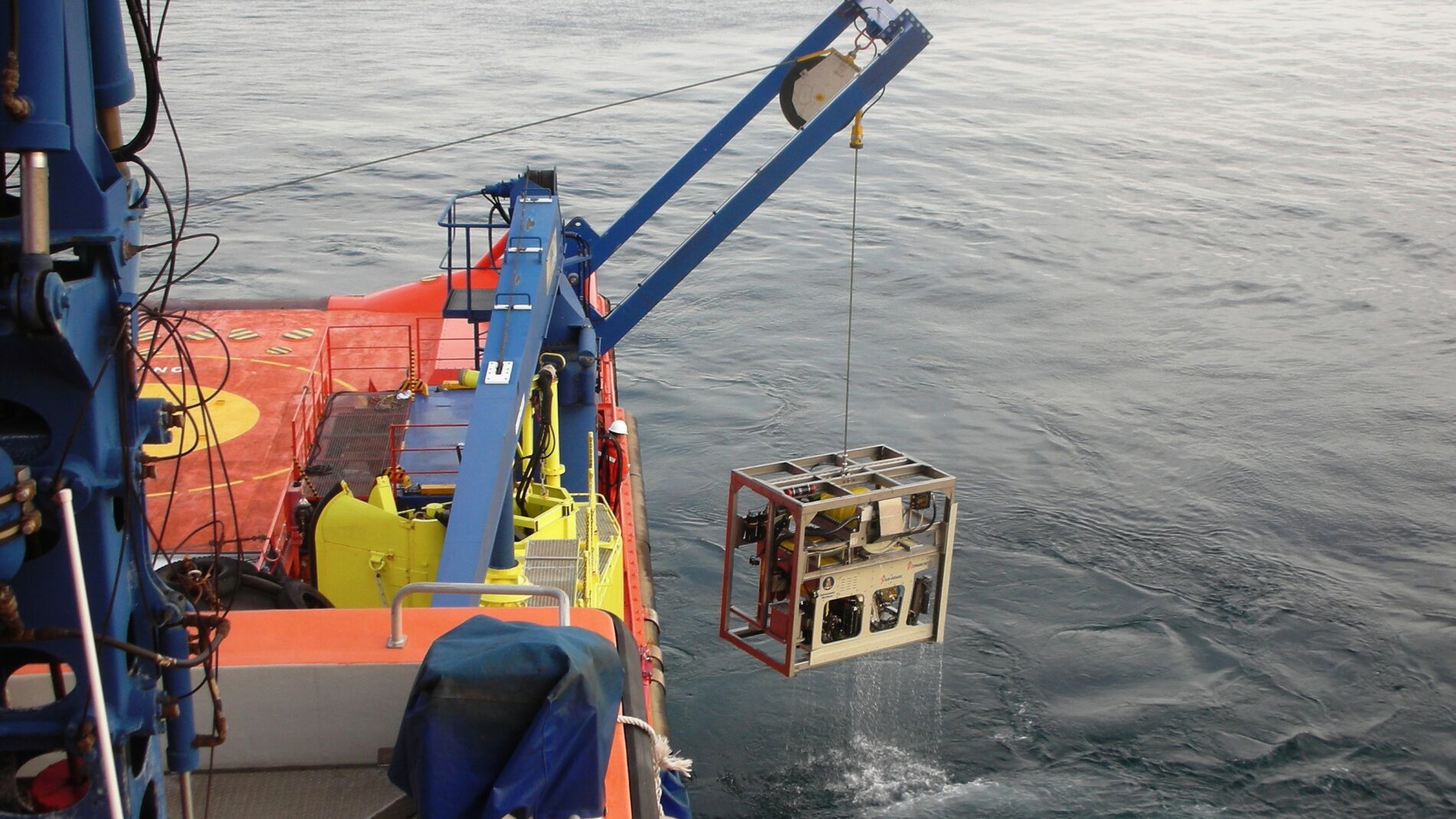
The discovery followed years of observing oil slicks on the ocean surface in the area. After tracking the slicks over a long period, researchers used a remote-controlled underwater robot to trace them to their source on the seabed.
The structure has been named "Mode," after a son of Thor, the god of thunder in Norse mythology. It measures two metres in height and thirty centimetres in width.
Oil and gas seeping for thousands of years
The formation constantly releases warm, reddish salt water mixed with mud, gas and crude oil, sending several hundred litres of oil into the sea each day, according to the researchers. They said the seepage has been occurring for thousands of years.
Haug Eide said it had long been believed that oil in the North Sea stayed in place underground, but the team now had evidence that it was surfacing in fairly large quantities in some locations. The North Sea has supplied Norway with oil and gas for decades and remains central to the country's economy.
Marine life adapted to the seep
The unusual seabed landscape supports ecosystems in which local creatures appear to have adapted to feed on the gases and crude oil escaping from the volcano, the researchers said.
The phenomenon has never before been recorded in Norwegian waters, though similar seabed oil and gas seeps have previously been documented in the Gulf of Mexico and the Black Sea, where comparable deep-sea communities have formed around natural hydrocarbon leaks. The researchers noted that these natural emissions are small compared with the greenhouse gases produced by human activity.
Implications for carbon capture and storage
Beyond its ecological significance, the discovery could help inform carbon capture and storage projects under way in Norway, where authorities have been developing underground sites to store carbon dioxide as part of efforts to cut emissions.
Because humans have only been storing carbon dioxide underground for a few decades, the researchers said the natural oil volcano offers a rare window into how fluids move through the Earth's crust over thousands of years.
Haug Eide said the find could provide new insight into how to control underground storage and what can be done to prevent unwanted leaks.
Test yourself
What did researchers name the newly discovered oil volcano?
At what depth was the oil volcano found?
Where had similar seabed oil and gas seeps previously been recorded?
Have your say
Do you think natural oil seeps like Norway's "Mode" volcano can meaningfully improve carbon storage safety?
Where it happened
North Sea, Norway


