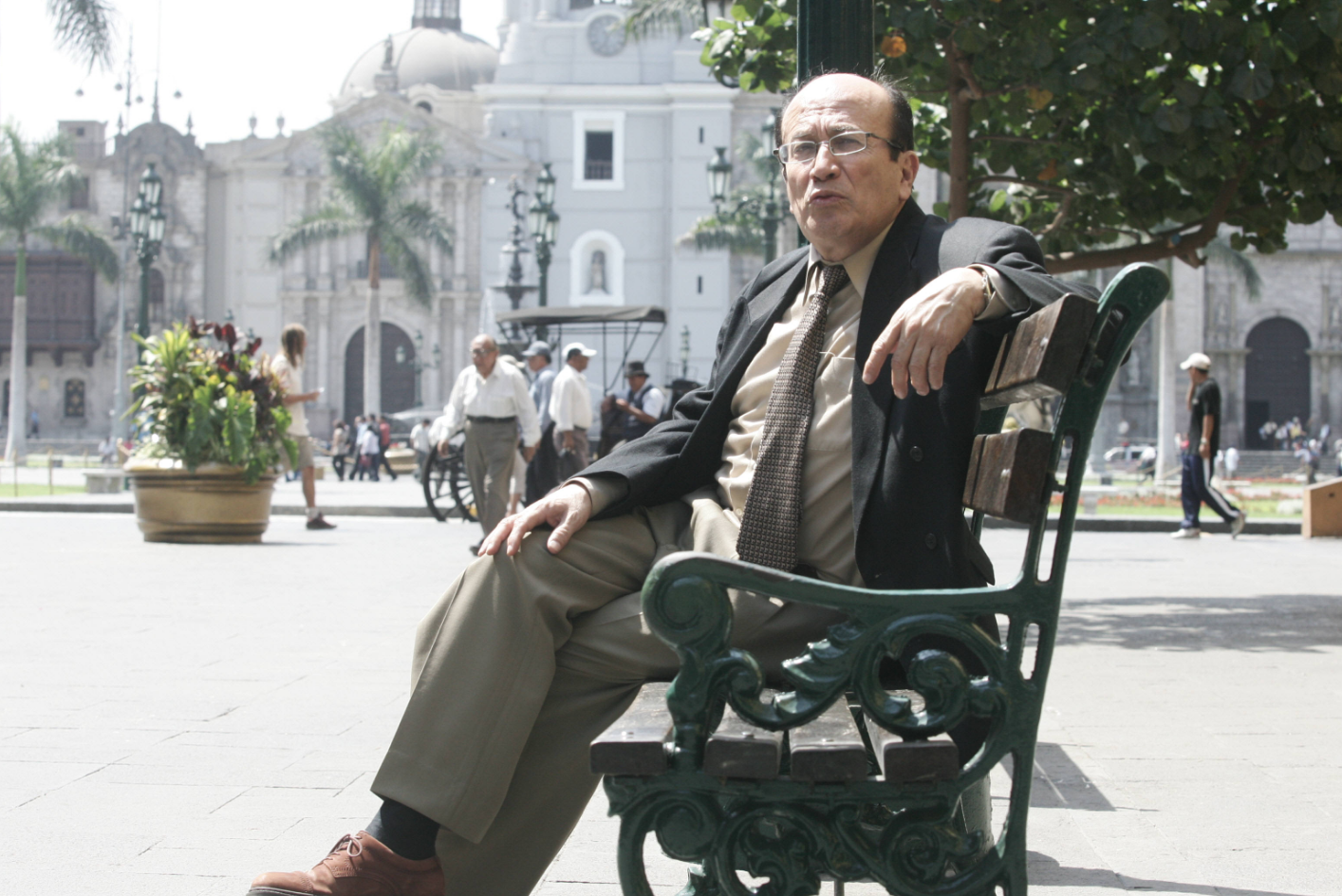
Peruvian author Eduardo González Viaña has published his new historical novel, Manuela Sáenz y la luna de Paita, which re-examines the life and moral legacy of South American independence heroine Manuela Sáenz.
Published by UCV, the book presents Sáenz as a leader of character and conviction whose actions during the 19th-century independence struggle remain directly relevant to modern society.
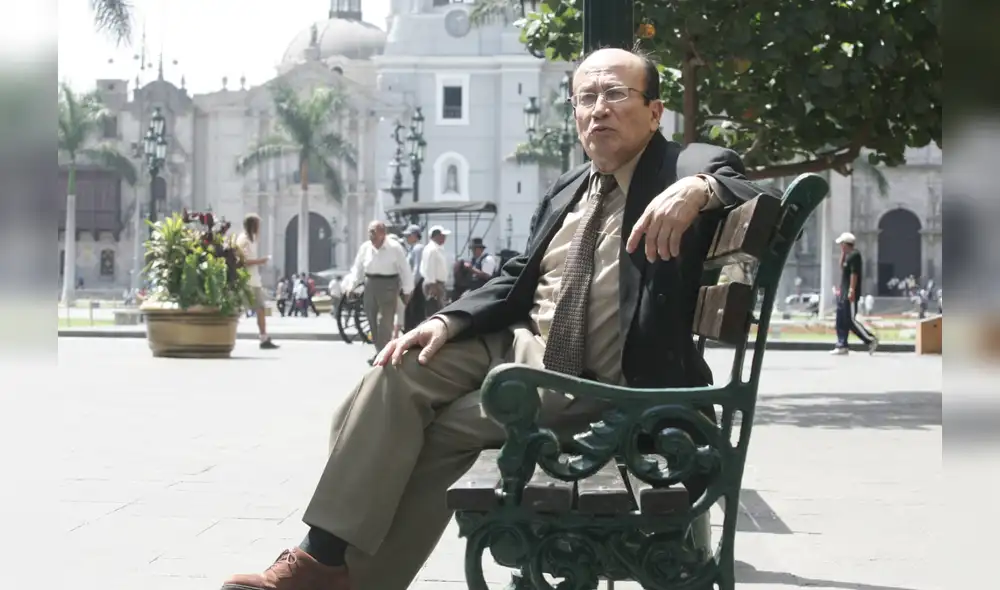
González Viaña, who frequently writes about Sáenz in his column Correo de Salem for the newspaper La República, said his interest stems from her status as a figure belonging to the entire continent rather than a single birth city.
He placed Sáenz alongside historical women such as Micaela Bastidas, Ventura Ccalamaqui, and Juana Azurduy, arguing that official history has systematically relegated them to a modest background.
According to González Viaña, major historical milestones cannot be explained without these women, noting that Bastidas helped assemble a fragmented world from Cusco while Sáenz fought in a revolution alongside Simón Bolívar that remains unfinished today.
Challenging Historical Stereotypes
González Viaña rejected attempts to diminish Sáenz's historical legacy by reducing her to Bolívar's companion or calling her by the diminutive name Manuelita. He emphasized that her full name was Manuela Sáenz Aizpuru, born in Quito in 1797, and that she held the military ranks of captain of Hussars and colonel in the Colombian Army.
He added that Sáenz was named a Dame of the Sun and earned the title Liberator of the Liberator. She fought on foot and on horseback in the pivotal battles of Junín and Ayacucho, which secured South American independence from Spanish colonial rule.
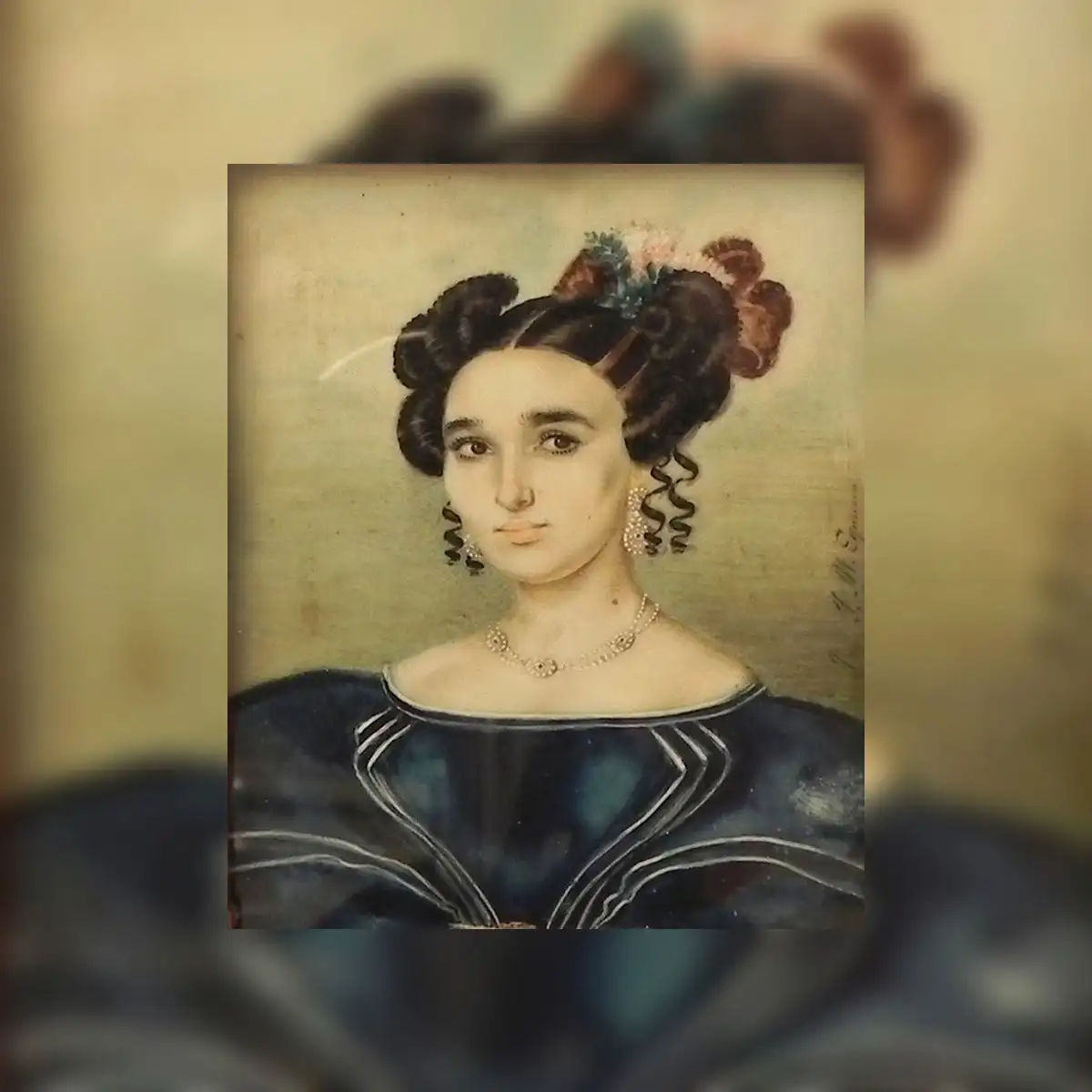
Long before meeting Bolívar, Sáenz was educated in the works of French encyclopedists and successfully persuaded Spain's major Numancia regiment to defect to the patriot cause. González Viaña criticized conservative patriarchal perspectives for reducing female leaders to physical depictions, noting that focusing on their bodies was equivalent to depicting a male military hero by showing his knees.
To research the novel, González Viaña spent two weeks in the northern Peruvian port of Paita, walking its narrow streets and coastline. He noted that the experience recalled his own coastal childhood and brought to mind verses by the poet Spelucín regarding ocean ports.
He explained that Sáenz spent decades in Paita overcoming poverty, where she served as a community doctor, advisor, and maternal figure for the local population despite facing persecution from governments hostile to Bolívar's legacy.
Historical Fact and Narrative Technique
Addressing the balance between historical data and creative writing, González Viaña recalled an episode from his earlier novel El largo camino de Castilla, which depicts future Peruvian president Ramón Castilla kissing a woman inside Arequipa Cathedral during a church service.
After theologian Alejandro Cussiánovich pointed out that the liturgical sign of peace was introduced much later, González Viaña acknowledged that he had incorporated a personal experience into the historical narrative. He maintained that everything written in a novel represents truth within the perspective of the writer.
The author also discussed the use of Andean and cosmopolitan oral traditions in his prose. His writing features elements of magical realism, including talking sirens, trees, mountains, and a passage where Sáenz's horse describes carrying her into battle.
González Viaña attributed his literary voice to nights spent during childhood along a river guarding his father's estate water supply alongside two Indigenous men armed with machetes. He said those experiences taught him to converse with rural workers, nature, and the night in a language as natural to him as traditional Spanish, citing Mexican author Juan Rulfo's Pedro Páramo as an example of capturing spiritual speech without boundaries of time or space.
Contemporary Relevance and Presentation Details
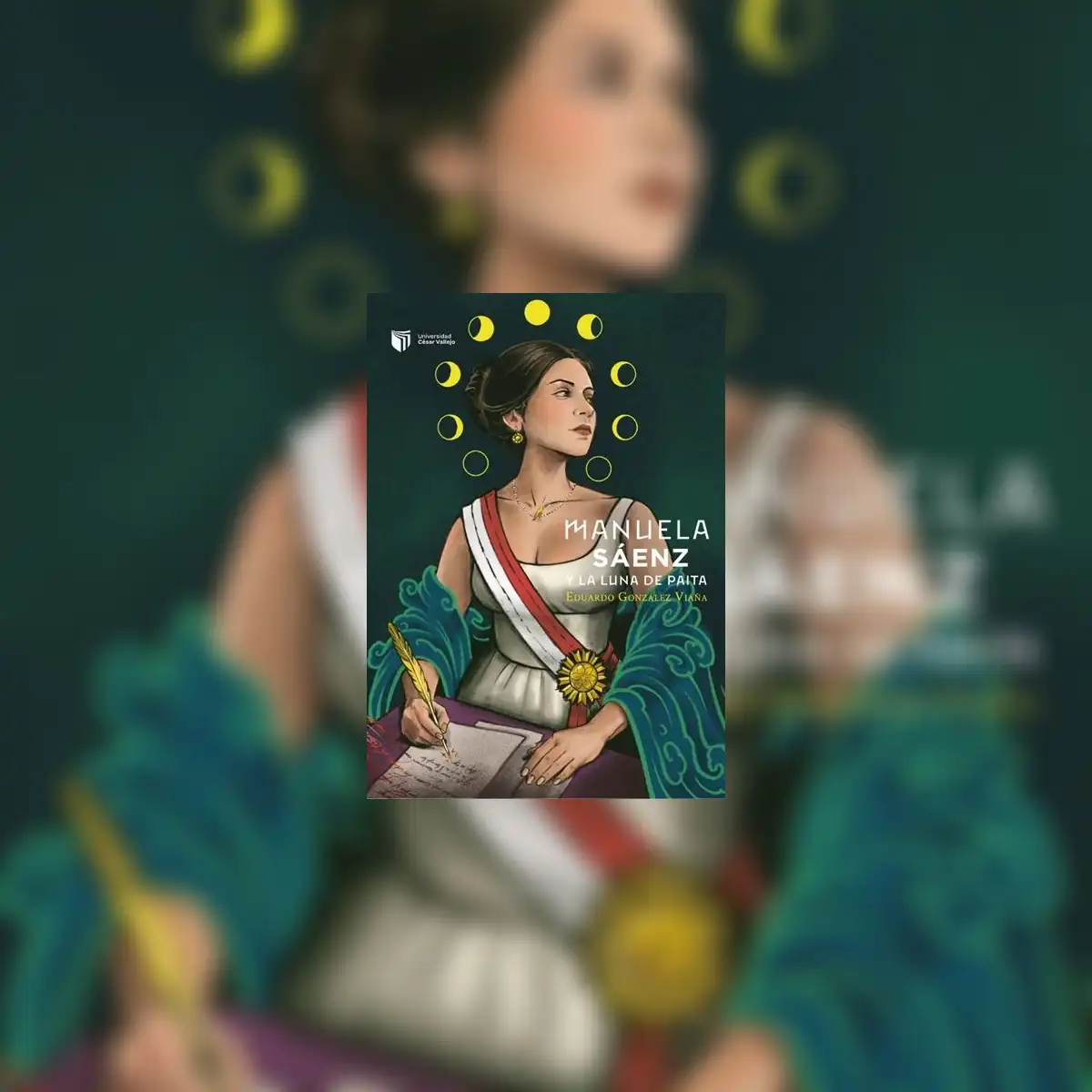
González Viaña asserted that women with Sáenz's courage have always existed across Latin America, but archaic patriarchal structures prevented official history from recording their achievements. He refused to distinguish between Peruvian, Ecuadorian, or Colombian identities, describing Sáenz as equal in significance to Peruvian heroines María Parado de Bellido and Saint Rose of Lima, while citing verses by Uruguayan poet Mario Benedetti.
Dismissing debates over literary recognition in Peru, González Viaña joked that the only cake he cares for is tiramisu. He stated that he writes to live and lives to write, adding that his characters are invariably inspired by friends and personal acquaintances.
The formal presentation of Manuela Sáenz y la luna de Paita will take place on Friday, August 28, at 6:00 p.m. in the Juan Santos Atahualpa auditorium of the Peruvian Congress in Lima. Panelists Blanca Rosales and Marcela Pérez Silva will provide commentary during the event.