


China has established itself as the world's leading provider of experimental drugs, expanding rapidly in oncology, bispecific treatments, and gene therapies. Industry analysts now expect the next dominant pharmaceutical multinational to be headquartered in Beijing.
A decade ago, China produced 40 percent of the active ingredients and generics for international markets. The country has since shifted from a low-cost manufacturer to a fast-growing clinical science incubator.
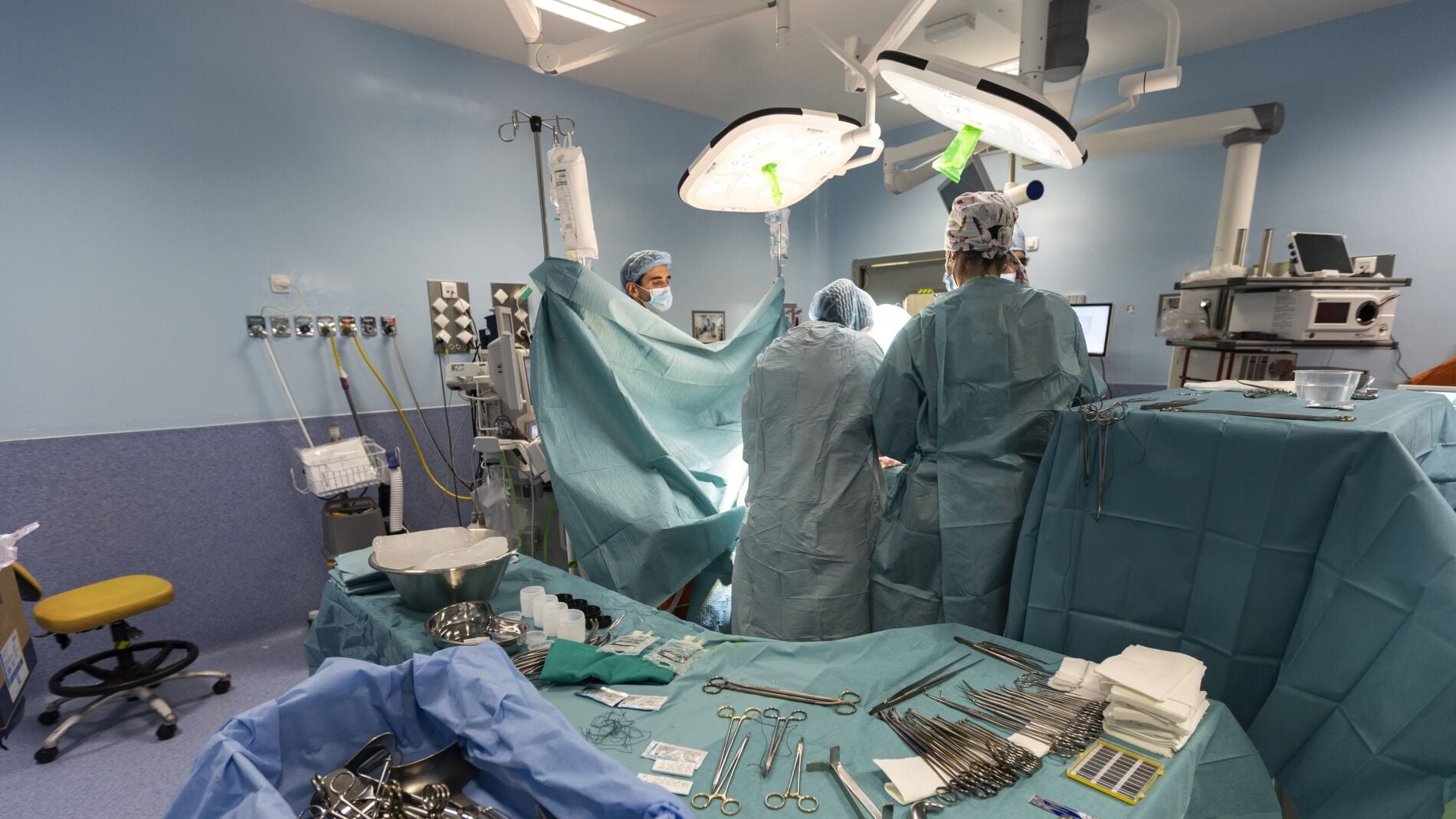
According to the 2026 Asia Pharmaceutical Industry Report by ING, the Asia-Pacific region now originates half of all new molecules under development. The region also accounts for 90 percent of growth in experimental therapies, leaving the European market at risk of dropping to third place globally next year.
Investment and Clinical Trial Growth
State planning, research funding, talent repatriation, and regulatory deregulation have driven China to capture 75 percent of all biotechnology investment in Asia. In the first two months of the year, Chinese firms signed licensing deals worth 43.3 billion euros with multinationals, setting a five-year record.
China produced only 4 percent of the world's original drug compounds in 2014, but that share has risen to 33 percent today. Beijing now accounts for 39 percent of global first drug approvals, closely trailing the United States at 41 percent.
Alexandre de Germay, a top commercial executive at Pfizer, told a European industry association that China has far surpassed Western companies in inventive capacity. Out of 81 brand-new treatments launched globally in the past year, 28 originated in Eastern research centers compared to 18 from Europe.

Cost Advantages and Corporate Licensing
Logistical and financial factors explain much of this shift. Clinical trials in China run three times faster and cost half as much as those in Europe, leading companies to conduct 40 percent of global oncology studies within China.
Western pharmaceutical corporations facing the expiration of patents on key drugs are purchasing licensing rights for Asian discoveries to update their catalogs. The licensing market is expected to reach 215 billion euros this year, while South Korea accounts for 10 percent of global discoveries.
Michelle Kong, an executive at ING, said Hong Kong serves as a legal hinge and secure financial hub that channels these large contracts. She noted that the city offers legal protection for multinationals navigating a hostile global environment.
United States Regulatory and Security Measures
In the United States, the Trump administration views medical innovation as a national security issue. United States health regulators launched Operation Pioneer Trials to accelerate approval procedures and require local patient quotas after observing that Asian scientists can start human trials 18 months after isolating a molecule.
At the same time, United States lawmakers are developing protectionist legislation, including the Biosecurity Act, to safeguard genomic data from foreign access.
Former United States health commissioner Scott Gottlieb said the West still dominates complex medical care like transplants. However, Gottlieb warned that Western nations will lose their position unless they close the cost and logistical gap created by Beijing.


