


The Spanish autonomous city of Ceuta was shaken on Thursday by the deaths of two Moroccan migrants and a knife attack on a soldier.
The incidents occurred just hours after thousands of residents took to the streets in the largest demonstration in the territory's history, calling for the expulsion of migrants following a surge in arrivals that began at the end of July.
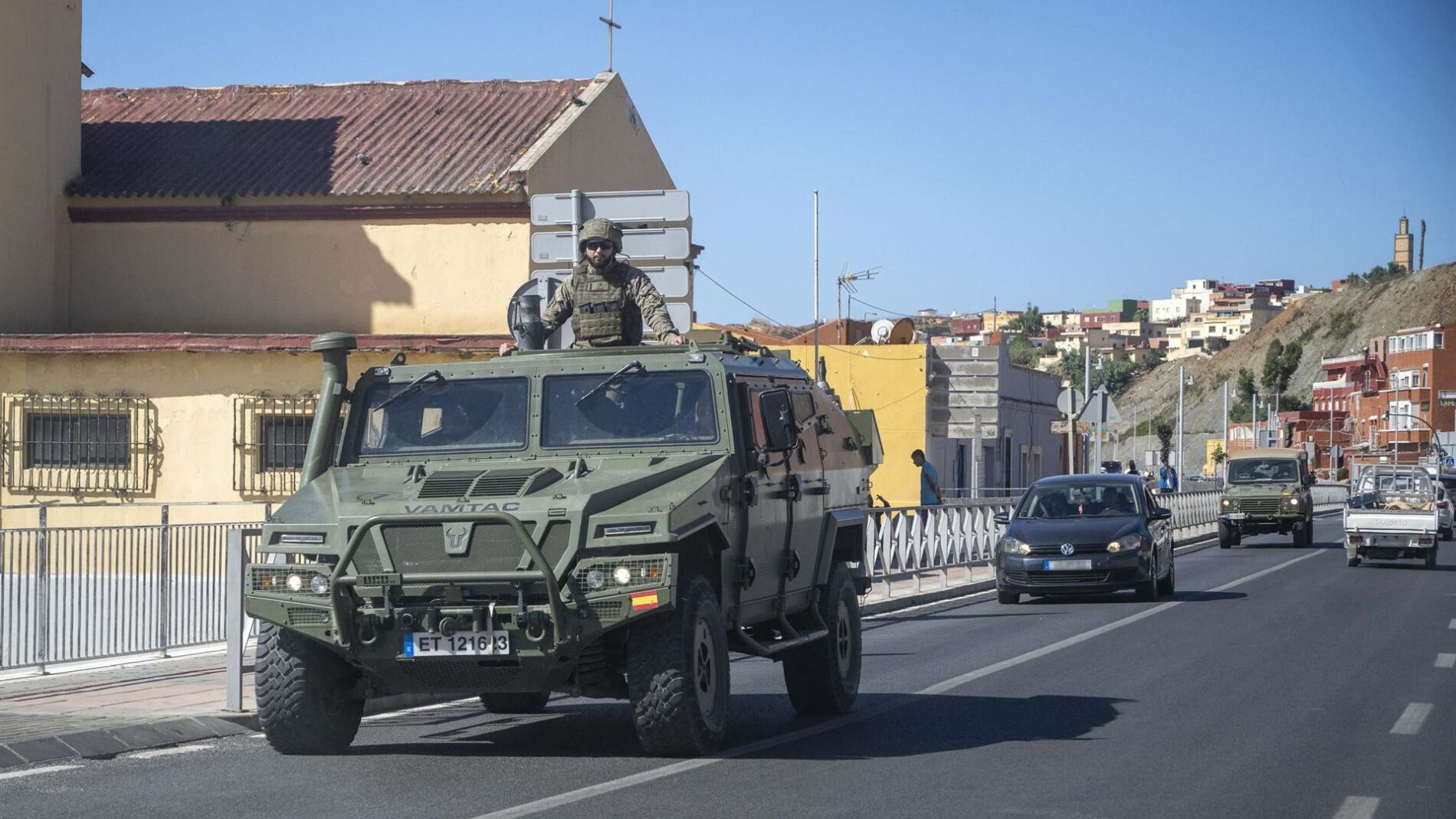
Ceuta, a Spanish enclave located on the North African coast bordering Morocco, has experienced heightened security pressure and municipal strain for over a month. Border police at the Tarajal crossing point have insisted that extra security personnel must remain deployed in the territory.
Homicide investigation in Poblado Regulares
The National Police arrested a Spanish woman of Muslim origin on Thursday morning in connection with the fatal stabbing of her cousin, a Moroccan migrant estimated to be between 25 and 30 years old.
Investigators believe the victim entered Ceuta during a mass border crossing in late July and was living secretly in his cousin's house in Poblado Regulares, a neighborhood facing severe sanitation and public safety challenges.
Police reported that the stabbing occurred around 7:00 a.m., leading to a prompt police response and the suspect's arrest. According to police sources, the woman suffers from a mental illness and used a bladed weapon, though the specific motive for the killing has not been established.
Authorities noted that tracking the total number of migrants remaining in the enclave is complicated because many individuals stay in private residences through family ties, charitable support, or informal arrangements exchanging labor for shelter.
Death of teenage migrant in care
In an unrelated incident early Thursday morning, a 17-year-old Moroccan migrant died at the Temporary Response Centre operated by the local administration.
The teenager, who had crossed the border on July 31, suffered from diabetes and experienced frequent severe blood sugar fluctuations. Local social services had performed health evaluations, and his most recent medical check took place on Monday.
At 6:00 a.m. on Thursday, a roommate noticed the teenager did not wake up for morning prayers. Finding the boy's body cold to the touch, the roommate alerted social workers, who confirmed the death. An autopsy was conducted to determine the exact cause of death and verify whether a lack of medication contributed.
Port knife attack on military patrol
Later on Thursday afternoon at around 2:00 p.m., emergency forces responded to an attack targeting military personnel in the port area of Ceuta.
A Moroccan migrant who had entered the territory at the end of July began threatening pedestrians with a wooden stick. A warehouse worker raised the alarm, prompting a pursuit by a patrol from the Regulares, an elite infantry unit of the Spanish Army stationed in the enclave.
When soldiers cornered the fleeing suspect in an alleyway, the man pulled a knife from his clothing and lunged at a soldier. The remaining members of the patrol quickly subdued the attacker, who was subsequently taken into custody by police.
Rising political concern and border pressure
The series of events has heightened anxiety among local officials managing the crisis. Melchor León, the socialist vice president of the Ceuta Assembly, expressed deep dismay from his office as news of the port attack broke during an interview with the newspaper LA RAZÓN, asking what else had to happen.
Local authorities and security forces continue to monitor settlements across the city as concerns over public order, healthcare capacity, and border enforcement persist.


