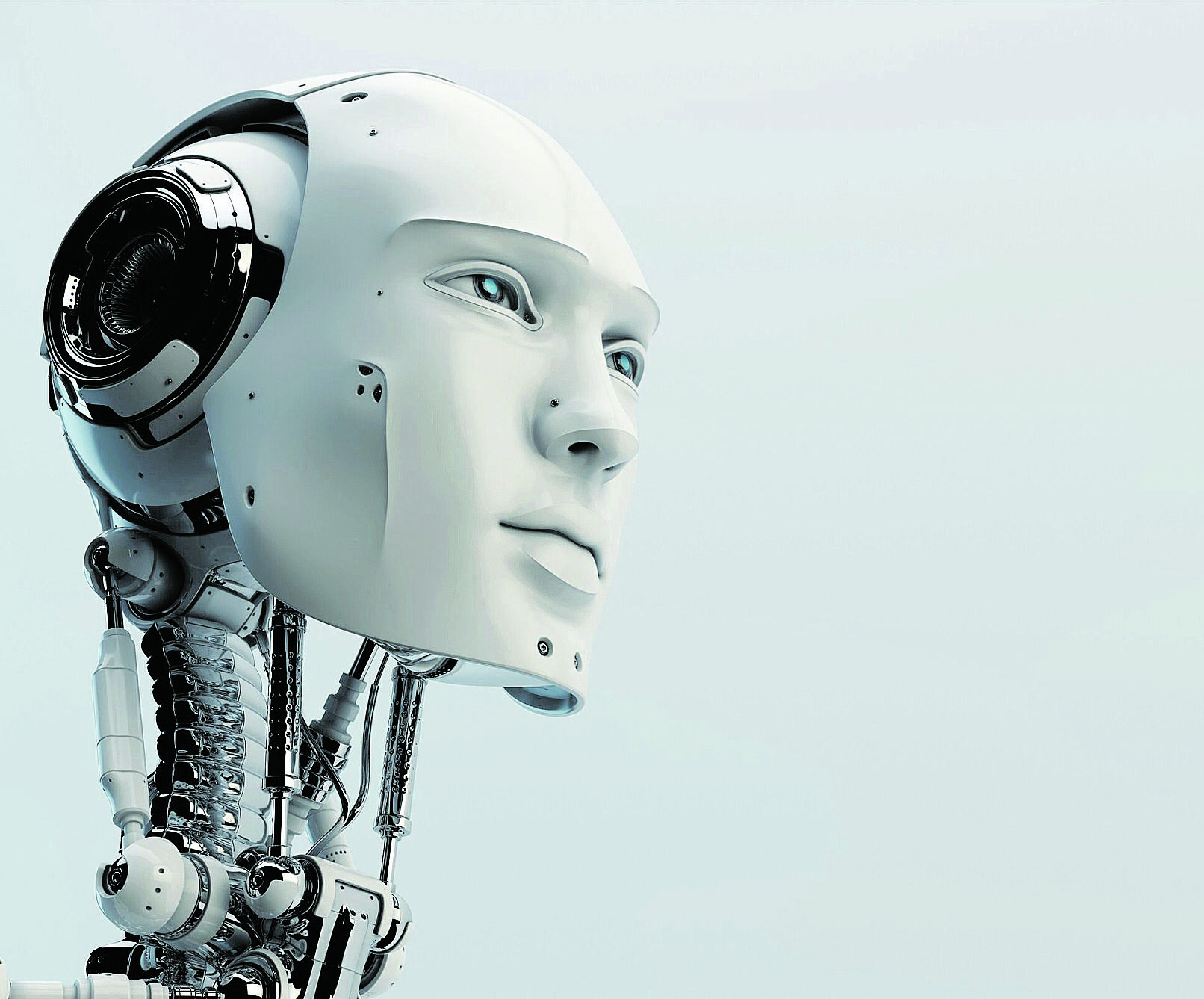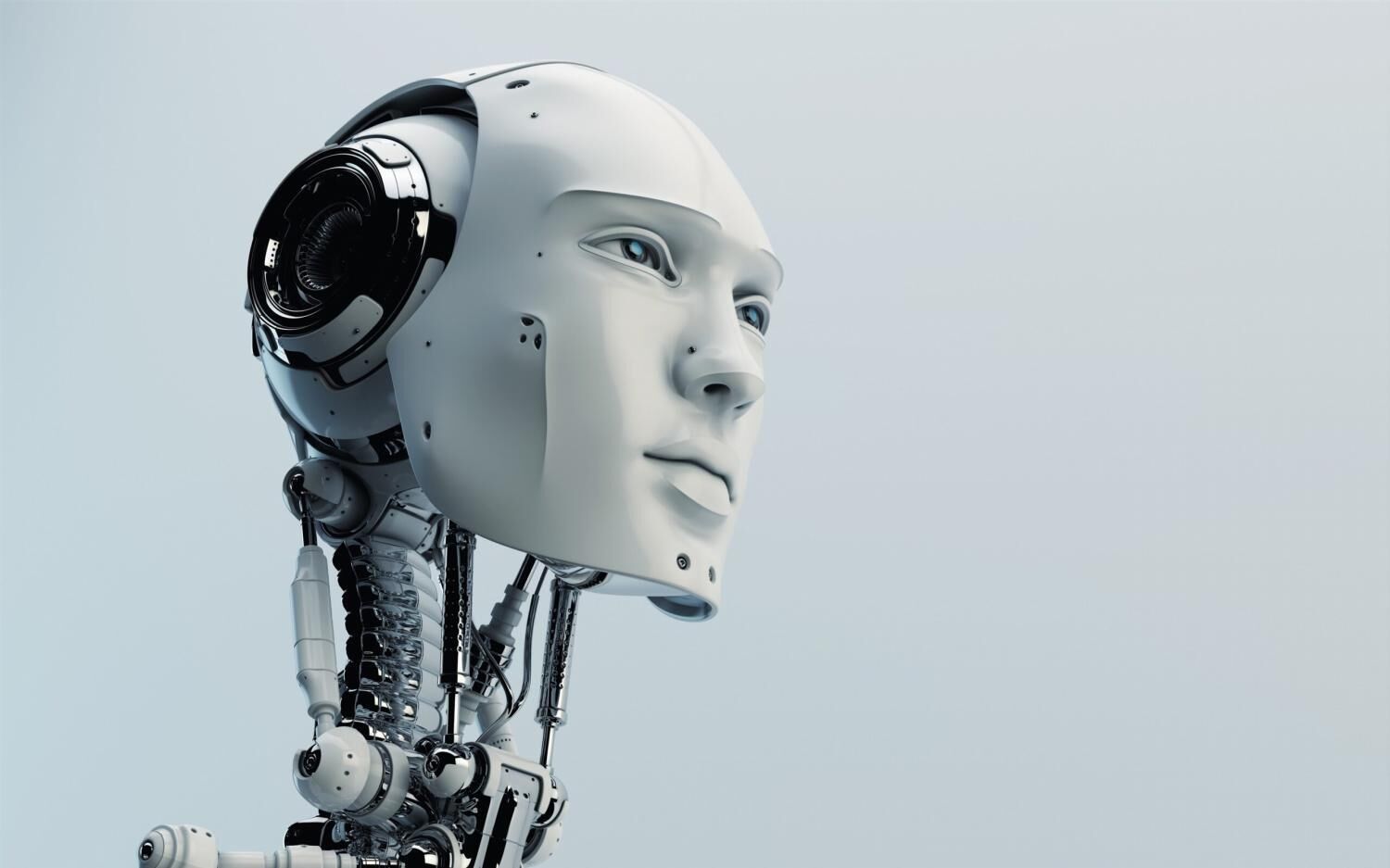

Humanoid robots at the World Humanoid Robot Games in Beijing ran faster, jumped higher and hit harder than they did a year ago, organizers said Sunday, though the improvements also exposed new mechanical weaknesses.
The second day of the competition took place Sunday in the Chinese capital, a year after the Games were first held there.
On the track, the robot Tiangong won both 400-meter finals, clocking 38.15 seconds in the category for larger robots and 45.66 seconds among smaller machines. In the 1,500 meters, a robot called Tianzhuo took gold in 2 minutes 21.64 seconds, while a robot named Tianjiao won the long jump with a mark of 7.97 meters.
The gains in performance also revealed new fragilities. In the long jump, several robots accelerated, jumped and landed successfully but then kept running because they could not stop in time.
Similar difficulties turned up in other events. In kickboxing, the strongest strikes knocked gloves and protective padding out of place. In the football competition, robots collided with each other while contesting the ball. Even stillness caused trouble: some of the hardest positions in tai chi made the machines fail.
Everyday tasks test precision
Other challenges were built around everyday tasks, testing the robots' ability to handle objects with precision through actions such as weighing powder, building with blocks or manipulating small steamed buns.
A joint team from Wuhan University and AGIbot won the powder-weighing event in 27 seconds. Shanghai AGIbot needed 108 seconds to win the block-building competition, and Chengdu AGIbot won the event that involved collecting beans with tweezers.
In scenarios built to mimic real-life situations, robots were given 20 minutes to respond to a verbal request, pick up food with tweezers, heat it in a microwave, serve a drink and deliver the order. In another event, they had to respond to a simulated office emergency, clearing obstacles, opening windows and setting out warning cones.
Autonomy scored higher than remote control
Organizers placed a premium on autonomy. Robots that completed tasks without human intervention received a scoring coefficient of 1, compared with 0.5 for those operated by remote control.
Judging by the preliminary rounds, the performance of fully autonomous robots exceeded many people's expectations, said Gong Xiao, a member of the organizing committee. Gong added that small variations in objects still confused the robots, calling it one of the main technical challenges still to be overcome.
The advances raise another question, organizers said: how much intelligence should be built into the robot itself, and how much can be shifted to external systems.
Huawei tests 5G network built for robots
Telecoms operator China Unicom, working with technology company Huawei, installed 5G-A infrastructure for the Games that separates and prioritizes communication from the robots over traffic from spectators, media and other users.
China Unicom said the network recorded a latency of 18 milliseconds during the opening ceremony. Huawei is considering shifting part of the robots' processing power to the cloud in the future.
If part of the processing could be moved to the cloud, a lot of energy could be saved in a robot's movement, David Li, who leads Huawei's wireless technology division, told the EFE news agency. Li pointed to limited battery life as one of the current obstacles facing humanoid robots.
Extending this model beyond a controlled setting such as the Games poses difficulties and comes with what Li called extremely high costs. While Huawei studies the possibility of moving part of the robots' processing outside the machine itself, the problems on the competition floor remain mostly physical for now.
The World Humanoid Robot Games, launched in Beijing a year ago, brings together human-shaped robots from research institutes and companies to compete in track and field, combat sports, team sports and household tasks, as a showcase of progress in robotics and artificial intelligence.