

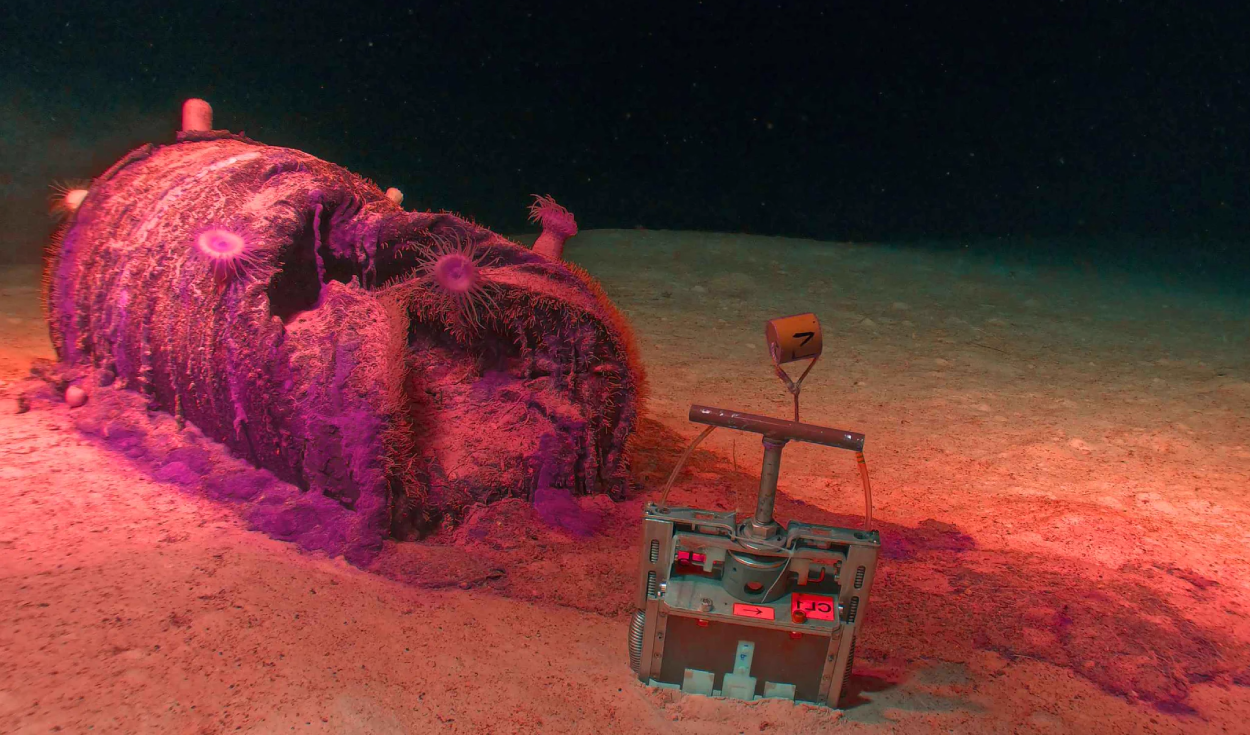
French teams and international collaborators aboard the oceanographic vessel Pourquoi Pas? discovered radioactive waste leaking from barrels 4,700 meters under the Atlantic Ocean. The expedition brought about 30 scientists to the site between May 27 and June 28, 2026.
Researchers observed hundreds of corroded containers that were dumped on the seabed of the northeastern Atlantic during the second half of the 20th century. Radioactive material has leaked into ocean floor sediment, though scientists noted that current readings cannot yet confirm ecological damage.
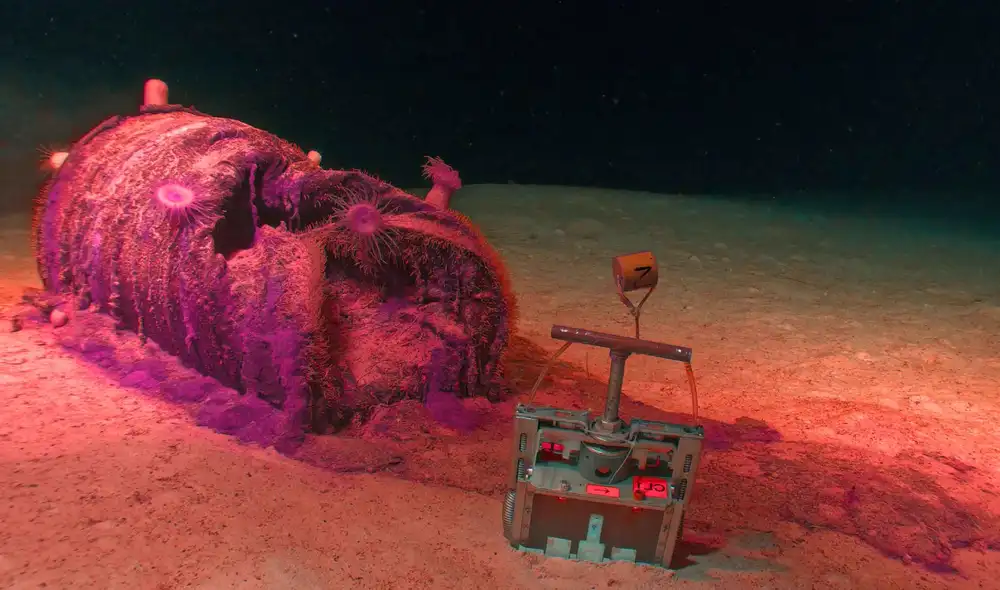
More than 200,000 waste drums were deposited in the region between 1970 and 1980. To inspect the seabed, the crew deployed the manned submersible Nautile, which completed 20 dives below 4,700 meters to examine the drums and surrounding environments.
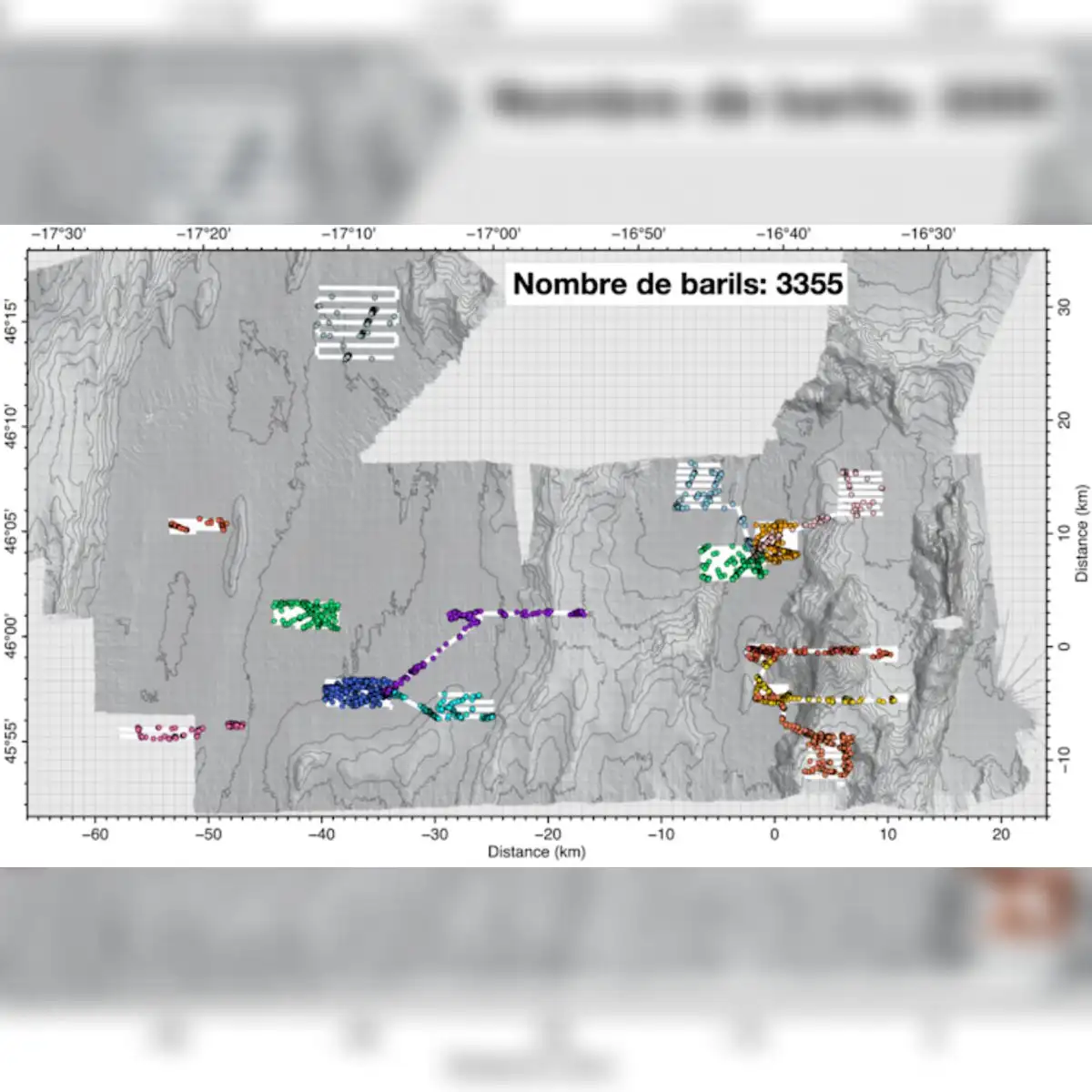
The mission built upon work from a previous expedition that deployed the autonomous robot UlyX. That robot mapped the area, identified 3,355 containers, and gathered 345 sediment samples, 5,000 liters of water, and 34 specimens of fish and crustaceans.
Radionuclide detection and origins
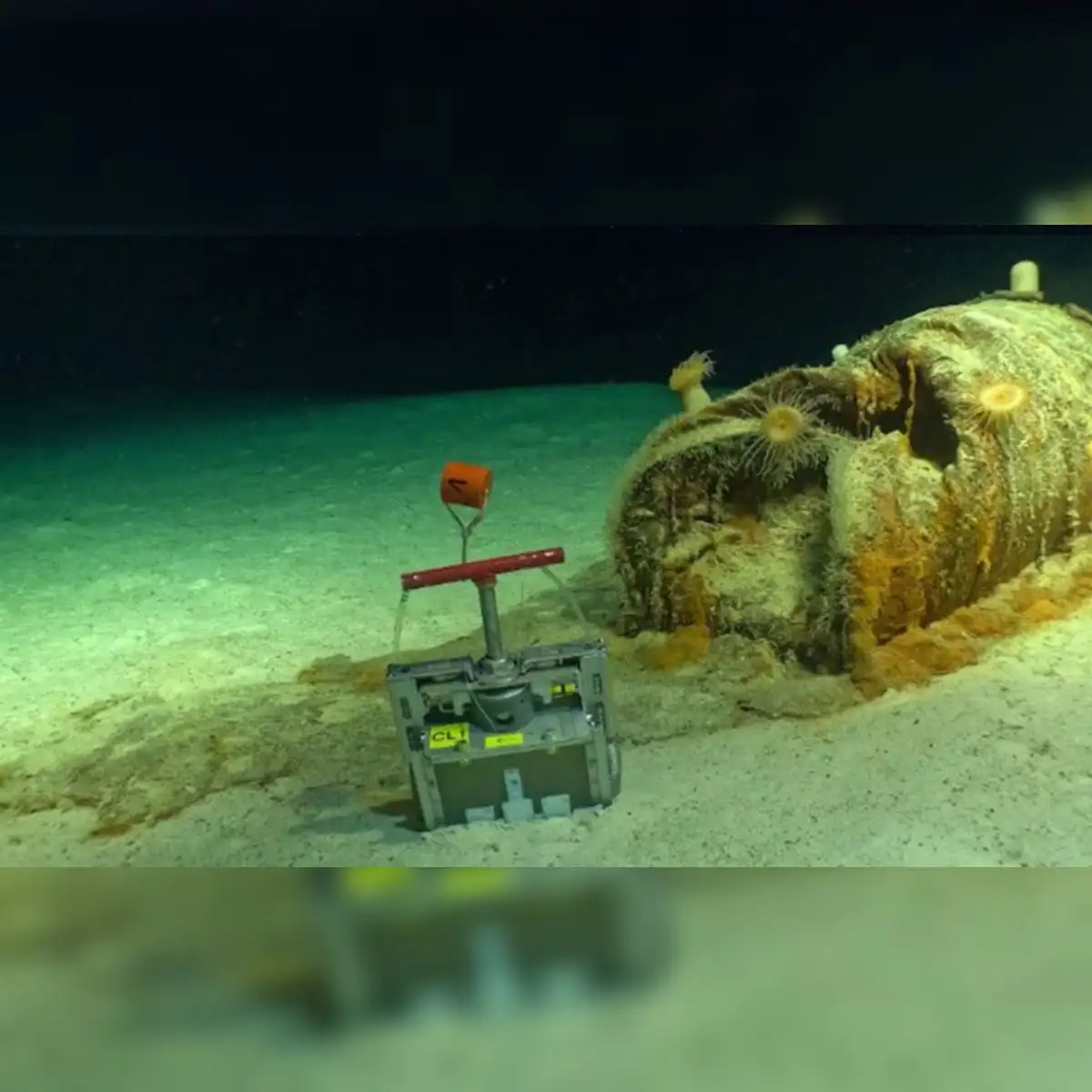
Dives revealed severely damaged containers alongside specific radioactive markers, including cobalt-60 and niobium-94. Scientists also detected cesium-137 and americium-241 in concentrations higher than typical levels for the region.
Determining the source of the contamination remains complex because cesium-137 and americium-241 can also originate from historical nuclear weapons tests and nuclear accidents. Water and sediment samples gathered far from the barrels in 2025 had previously shown radioactive traces, especially americium-241.
Patrick Chardon of Clermont Auvergne University and Javier Escartín of the École Normale Supérieure in Paris led the scientific team. Before dives began, Escartín asked whether radionuclides had escaped the barrels and in what form, which the expedition confirmed had occurred.
Impact on deep-sea marine life
The waste site lies on abyssal plains far from sunlight, where communities of microorganisms, fish, and invertebrates live. Anemones, sponges, crabs, and other species were seen occupying some of the barrels and surrounding area.
Researchers collected samples of ocean water, sediment, microbial communities, and marine organisms near the waste drums. They also examined nearby rocky habitats to compare natural deep-sea ecosystems with communities living next to radioactive waste.
Upcoming laboratory testing will analyze the concentration and origin of the detected radionuclides and trace how they move through water and sediment. Scientists also aim to determine whether deep-sea marine organisms absorb these radioactive substances in significant quantities.


