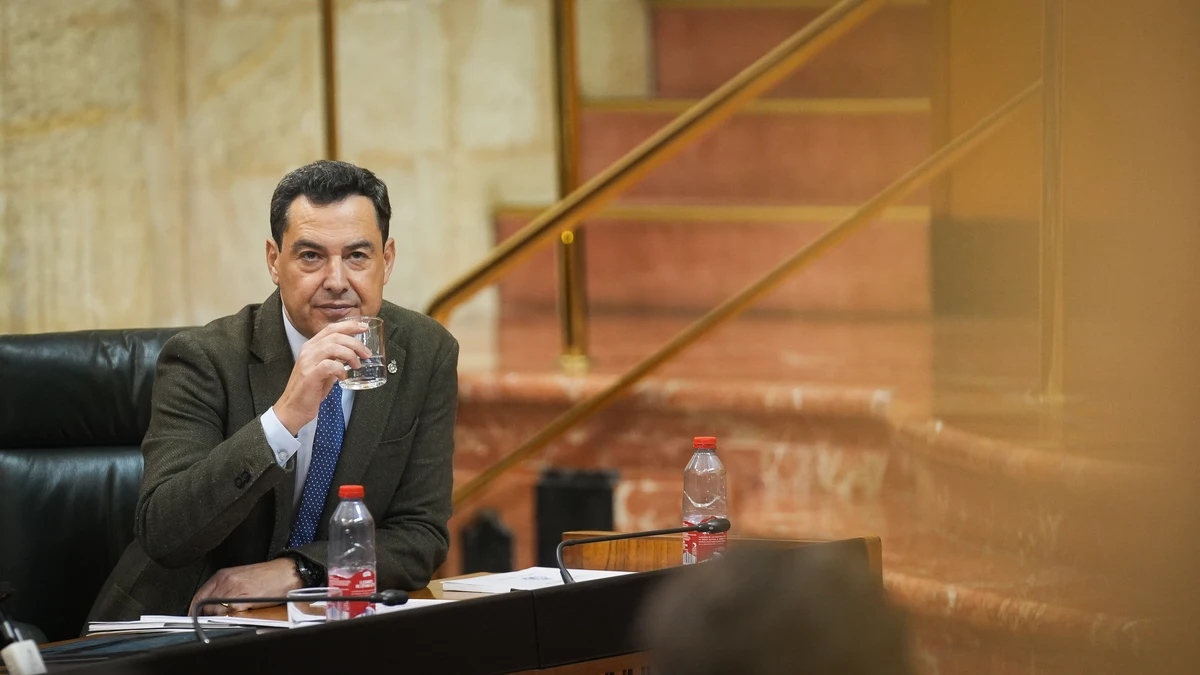
Judith Piquet, the mayor of Alcalá de Henares, a city near Madrid, has demanded an urgent meeting with Spain's central government after the number of migrants housed at the town's reception centre more than doubled in less than two weeks, following transfers ordered without warning by Prime Minister Pedro Sánchez's administration.
According to Spain's Ministry of Inclusion, Social Security and Migration, the Centre for Attention, Emergencies and Referral, known by its Spanish acronym CAED, held 471 people on 28 October. By 10 November that figure had risen to 953, an increase of 482 residents in thirteen days, a rise of 102.3%, more than double.
Piquet said the CAED in Alcalá had more than doubled the number of people it housed in barely thirteen days, going from 471 to 953 residents, an increase of 482, according to the ministry's own reports.
Government accused of lack of transparency
To accommodate the new arrivals, the government unilaterally raised the centre's declared capacity from 928 to 1,028 places, pushing real occupancy from 50.8% to 92.7%, without notifying the town council beforehand, Piquet said.
Describing what she called a serious lack of institutional loyalty, the mayor said the ministry, led by Elma Saiz, and the central government's delegation in Madrid acted this way continually, without warning, without any transparency and without providing any information.
Migrant crisis in the Canary Islands
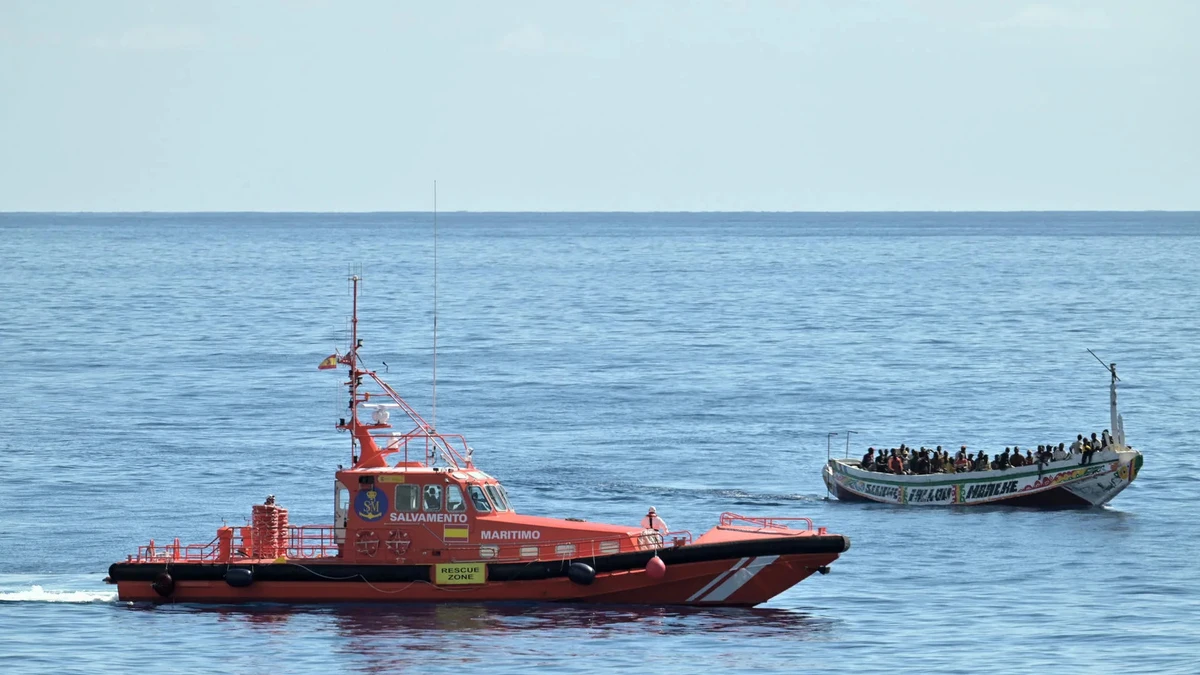
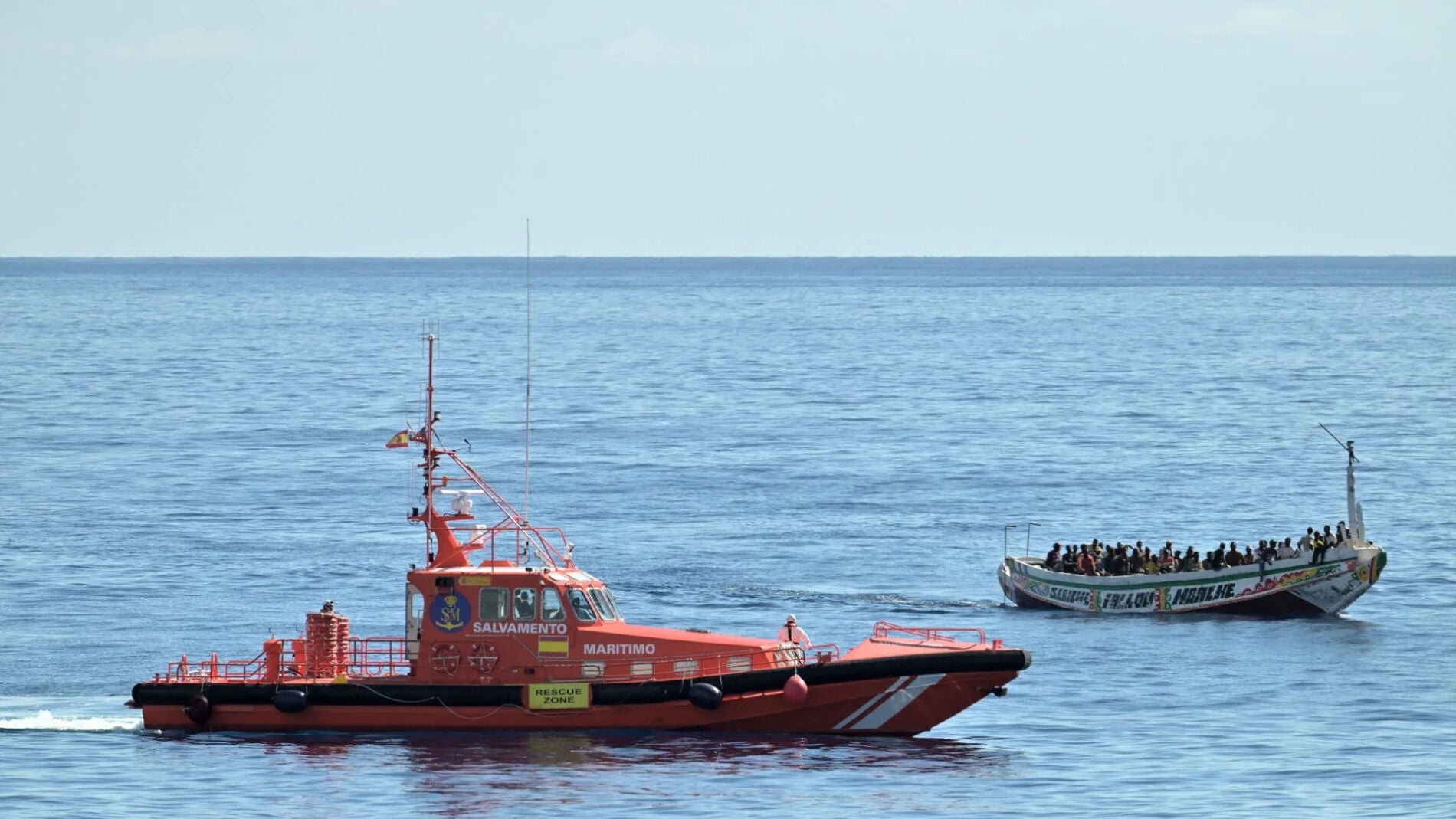
The dispute comes amid a migration crisis on El Hierro, one of Spain's Canary Islands, where more than 8,000 people have landed in just five weeks, more than two-thirds of the island's registered population. Local authorities have declared a state of social emergency, and the government has used aircraft to move new arrivals off the island to ease pressure on the Canaries, a practice that has led to unannounced transfers to reception centres on the mainland, including the one in Alcalá de Henares.
Concerns over missing information and minors
Piquet said the council had been given no information about who was being sent to the centre. She said they did not know where the migrants came from, what age they were, what backgrounds they had, or how long they would stay, and said this raised concerns about public safety and guarantees for coexistence in the town. She said she was particularly concerned about a rise in young people claiming to be minors.
Ministry figures show that on 28 October only eight residents at the centre said they were minors. By the report issued on 10 November, that number had risen to 23.
The council said that such declarations do not amount to an official determination of age, and said it was demanding to know what tests are carried out to verify the migrants' legal status and to trigger guardianship procedures for anyone confirmed to be underage.