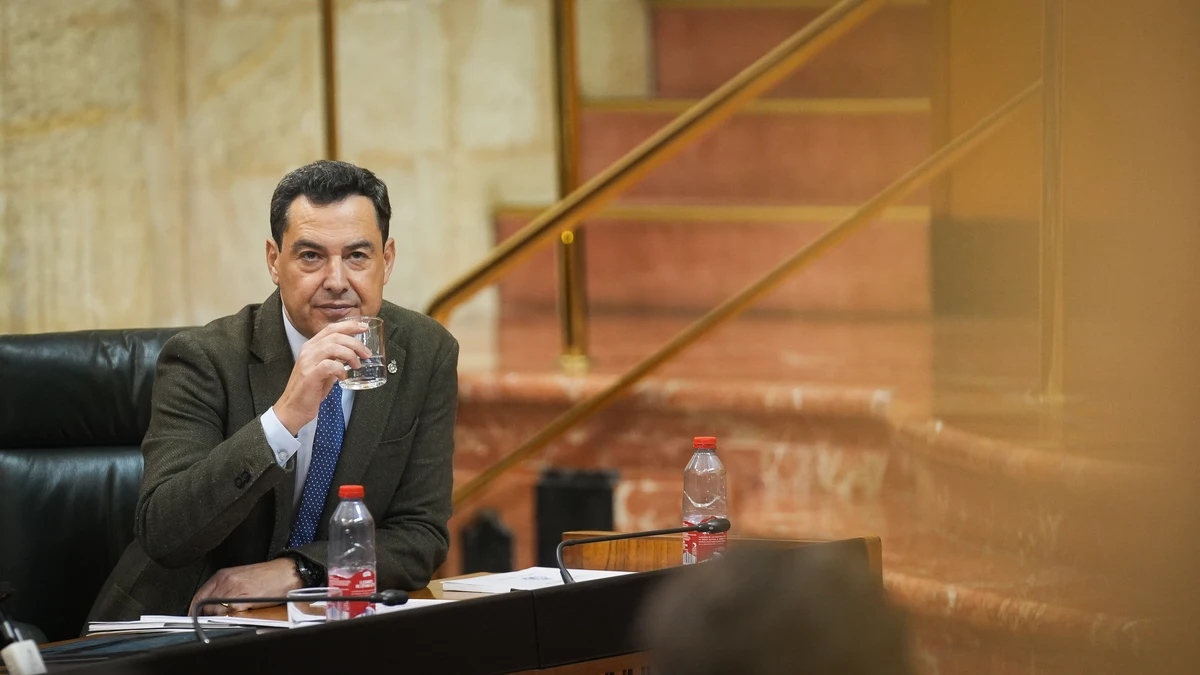
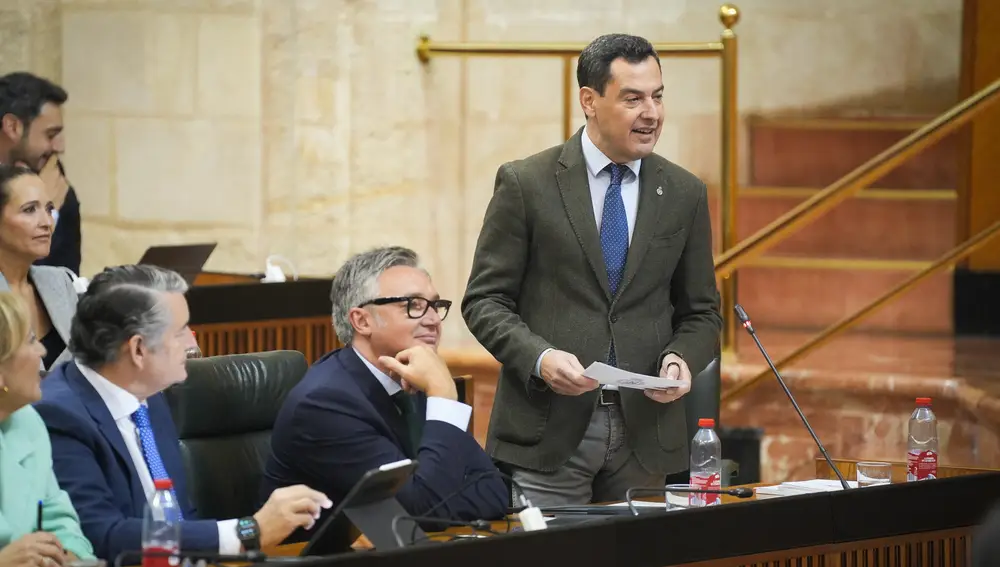
Juanma Moreno, the president of the regional government of Andalusia, accused opposition leader María Jesús Montero of insulting Andalusians by describing Spain's Transport Minister, Óscar Puente, as dignified, during a bitter government question session in the Andalusian Parliament in Seville.
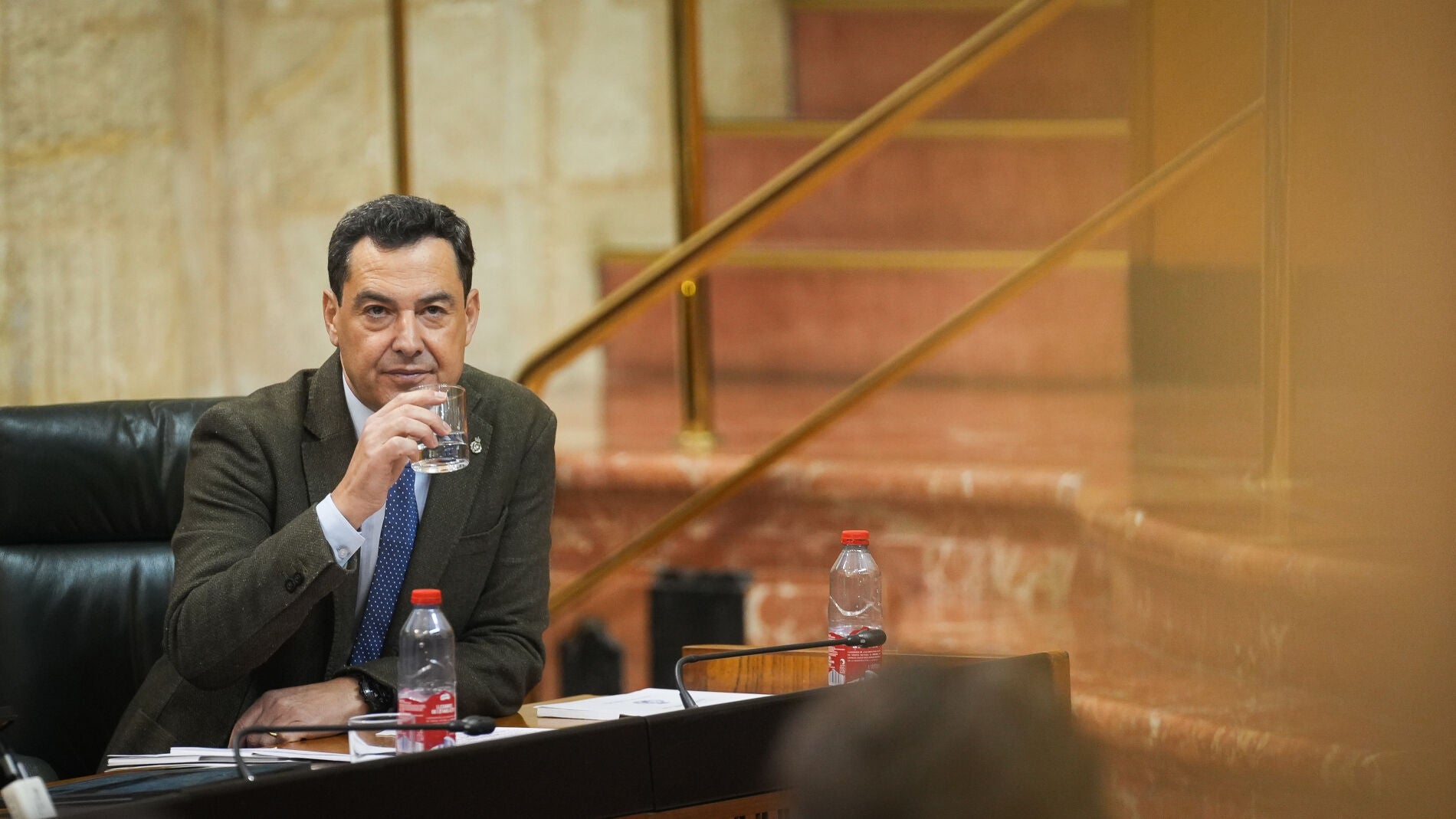
Moreno said that for someone to appear, at the epicentre of the victims of a recent railway accident, and call Puente dignified was to insult Andalusians, and that applauding Puente inside Parliament insulted them too. He said the minister must be in a very poor position if every other parliamentary group had asked for his resignation, adding that the least Puente could do was acknowledge his error instead of boasting about something he called completely undignified.
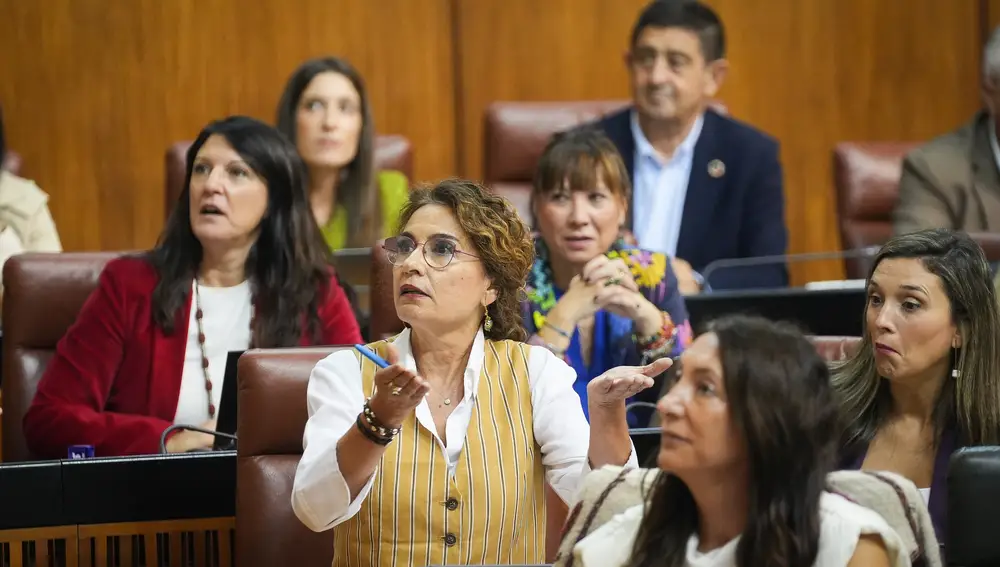
Montero, the leader of the Socialist party in Andalusia, PSOE-A, and Spain's deputy prime minister and finance minister, hit back by saying Moreno had refused to change the date of the regional budget debate because he wanted to boycott that day's general strike.
Urda crash, strike and budget no-show dominate session
The session was the last weekly government question time, in which lawmakers quiz the regional cabinet, before campaigning began for Spain's general election on November 29. It was dominated by the aftermath of a railway accident in Urda, a general strike and the opposition's decision to skip the previous day's debate on the Andalusian regional budget.
Calls to order and references to articles 78 and 102 of the chamber's standing orders were a constant feature of the sitting, held in the Andalusian Parliament's home in Seville, a former hospital building known as the Cinco Llagas.
Moreno said he respected the right to strike and would continue reaching agreements with trade unions, but added that the law had been broken when opposition lawmakers missed Parliament to attend a campaign event. He made the comments amid criticism over memes mocking unions and the opposition's absence from the budget debate.
Por Andalucía and Adelante raise policing and budget cuts
Antonio Maíllo, the spokesman for Por Andalucía, opened by quoting the poet Juan Ramón Jiménez on the importance of naming things by their exact name, in reference to the Urda victims. He linked the strike to what he described as an emotional connection between workers' concerns over bread, shelter, jobs and dignity, saying his party stood with the working class. He also raised alleged police abuses during the strike and called for accountability.
Moreno replied that Maíllo had spent eight years in government and should own up to his own party's failures, after Maíllo urged the regional government to take control of rail powers.
José Ignacio García, of Adelante, called for the resignation of Spain's Interior Minister, Fernando Grande-Marlaska, over the policing of the strike, and criticised the regional budget as one built on privatisation, propaganda and handouts. Moreno told him to stop focusing on social media likes and to cut ties with his political patron, Prime Minister Pedro Sánchez.
Vox's spokesman, Javier Cortés, returned to his party's recurring argument that Spain's housing crisis is linked to immigration, and called for what he described as remigration.
Montero cites Los Gallardos crash and cancer screening failures
Montero began her response by recalling the Urda victims before accusing the governing Popular Party of politicising rail accidents for electoral gain, using the victims' suffering to seek votes, call for a change of government and attack the strike.
She accused Moreno's party of applying a double standard. She said his side had branded Puente miserable over leaked audio recordings from the rail control centre, and asked whether it was equally miserable to blame the victims of an earlier rail accident in Los Gallardos, in which 15 people died, for not following safety instructions.
She also asked whether it was miserable to blame a hospital radiology department head for failures in the region's cancer screening programme, and questioned whether that should mean the resignation of Antonio Sanz, a regional minister, over the deaths in Los Gallardos, or of Catalina García, the Andalusian health minister, over the screening crisis.
On the opposition's absence from the budget debate, Montero said that in November 2023 the Popular Party had postponed the Andalusian budget debate by a day so that Moreno could attend the Latin Grammy Awards ceremony in Seville, yet a general strike defending workers' pay and affordable housing had not been considered important enough by the right to justify moving the date. She said this showed the Popular Party did not want to debate a budget that deepened cuts and the privatisation of public services.
Moreno accuses PSOE of radicalising
Moreno said the PSOE was no longer the party it once was, accusing it of becoming completely radicalised under the influence of more radical allies. He told Montero she looked out of place in the chamber, pointing to what he called the worst election result in the PSOE's history after she had held, in his words, the most powerful position ever held by a woman in the country.
He said he would stand up for 115 victims he attributed to a lack of investment, neglect and insensitivity by the central government, which he accused of dismantling high-speed rail in Andalusia over eight years.
The sitting closed just before the start of Spain's 17th general election campaign since the return of democracy, with the vote set for November 29.