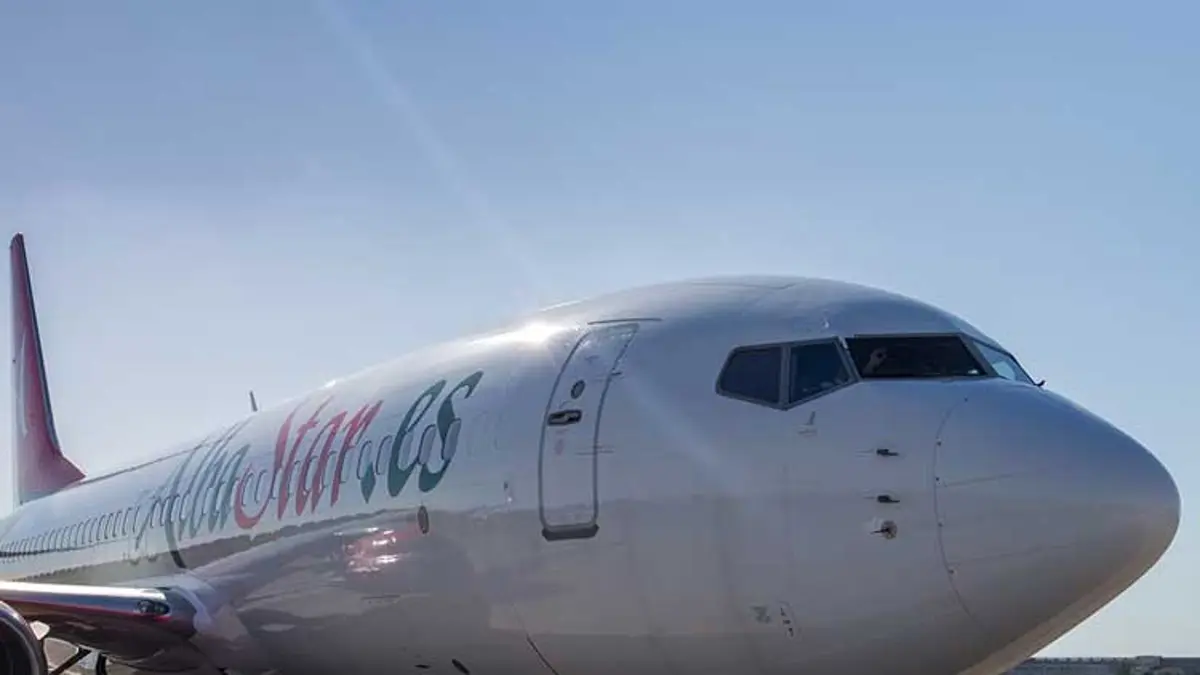
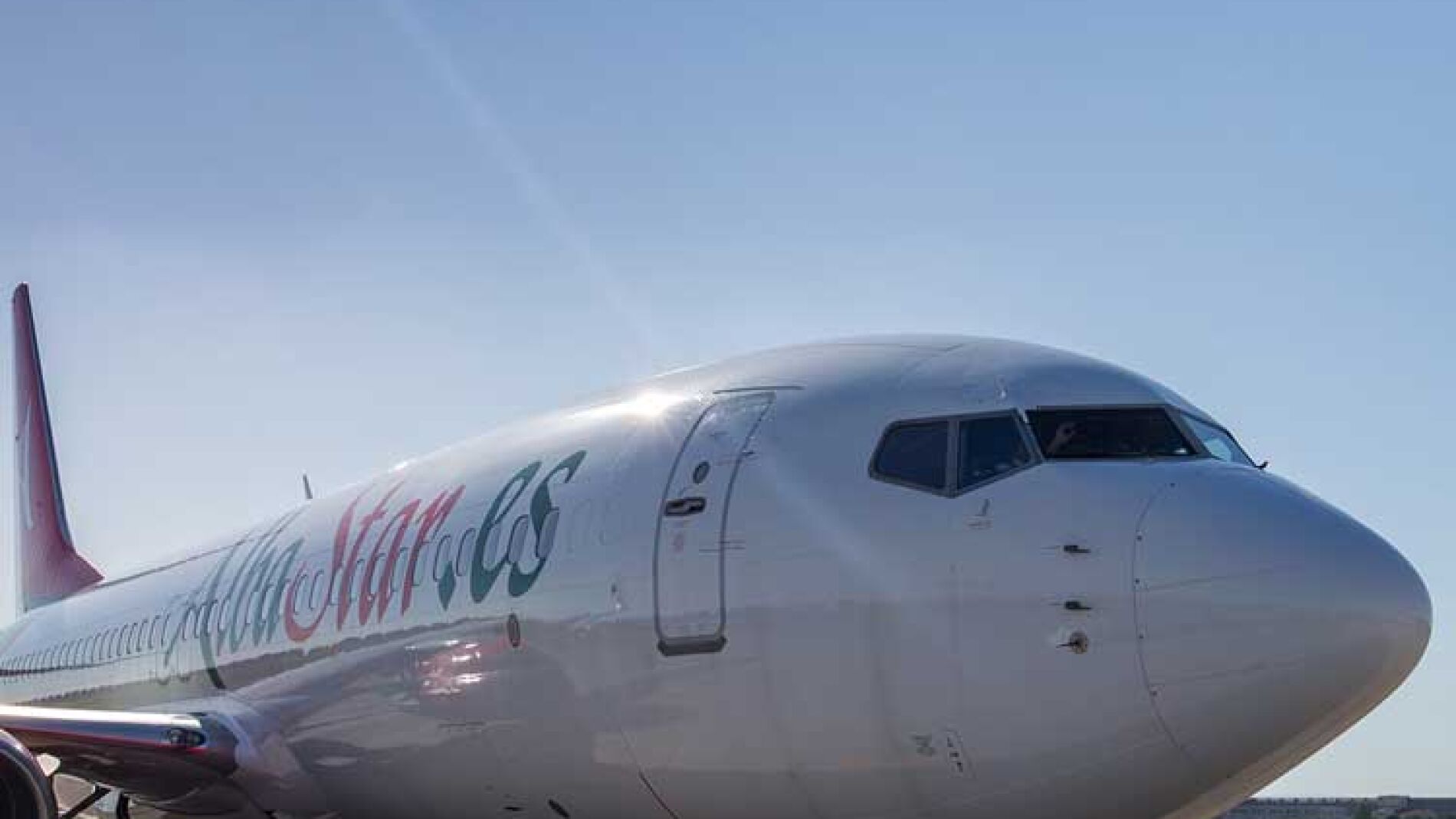
Palma de Mallorca carrier AlbaStar has suspended commercial flight operations and filed for voluntary insolvency after succumbing to soaring jet fuel prices.
The airline is the first Spanish carrier to collapse under the pressure of recent fuel market spikes, as management conducts urgent talks with prospective investors in an effort to avoid permanent liquidation.
Oriol Hernández, the general director of AlbaStar, confirmed the decision in a letter sent to staff and partners, according to Spanish aviation trade publication Preferente. Hernández attributed the shutdown to severe financial distress caused by heavy liabilities carried over from the Covid pandemic, compounded over the past year by international geopolitical instability and escalating kerosene costs.
Hernández said the airline had held discussions with potential backers who had expressed interest in supporting the business, but those negotiations had failed to close in time. He explained that tight deadlines to secure a financial rescue, combined with the carrier's depleted cash reserves, made the immediate suspension of commercial flights unavoidable.
Surging Jet Fuel Costs
Aviation fuel costs have placed severe strain on European charter operators following international market disruptions. According to the monitoring tool operated by the International Air Transport Association, the global airline trade body, the price of jet fuel currently stands above 150 dollars per barrel. That represents a sharp rise from roughly 90 dollars per barrel recorded prior to the outbreak of the war in Iran.
Prices had climbed even higher earlier in the year, surpassing 210 dollars per barrel in April. Jet fuel typically represents an airline's largest variable operating expense, frequently accounting for up to a third of total outgoings. While major scheduled airlines often cushion market shocks through financial hedging contracts that fix fuel rates months in advance, smaller independent charter carriers often operate with limited hedging protection, leaving them exposed when crude oil and refined distillates surge.
Pandemic Debts and Operating Losses
The spike in kerosene came as AlbaStar was already struggling to manage structural liabilities accumulated during the pandemic. The carrier survived the travel restrictions of the Covid crisis after securing 15 million euros from Cofides, the Spanish state-backed development finance institution, through a dedicated government recapitalisation fund designed to rescue strategic and viable medium-sized enterprises.
In October 2024, the airline announced an ambitious growth plan aimed at expanding its fleet, entering new European markets, and doubling the size of the business. Management projected that turnover would exceed 100 million euros, generating 17 million euros in earnings before interest, taxes, depreciation and amortisation.
Although the company met its turnover target by bringing in more than 100 million euros, profitability fell sharply short of expectations. AlbaStar generated an operating result of only 7.56 million euros, leaving the carrier without the financial cushion needed to withstand subsequent cost increases.
Charter Flights and Religious Pilgrimages
AlbaStar was established in 2009 to provide on-demand passenger charter services in partnership with major tour operators across Spain, Italy, and the wider European continent. The company received its official Air Operator Certificate, designated E-AOC-106, alongside its passenger and cargo transport licence on 30 July 2014.
Flight operations commenced the following day, 31 July 2014, when the airline's first aircraft, a Boeing 737-400 registered as EC-LAV, took off from its home base at Palma de Mallorca Airport. Later that year, AlbaStar expanded its footprint by opening an operational base at Milan Malpensa Airport in northern Italy.
The carrier soon earned a specialised reputation across the industry as the airline of the pilgrims. Working closely with travel agencies and tour operators that organised religious pilgrimages, AlbaStar established itself as the leading European airline connecting regional airports to Lourdes in southwestern France.
The town, celebrated for the Sanctuary of Our Lady of Lourdes, draws millions of religious visitors each year. AlbaStar capitalised on that demand, turning charter links to Lourdes into its signature route and launching scheduled passenger flights to the destination in 2015.
Insolvency Filing and Investor Negotiations
Faced with mounting liquidity pressures, AlbaStar is preparing to submit a formal petition for voluntary insolvency proceedings, known in Spain as a concurso de acreedores. Under Spanish commercial law, a voluntary petition allows an indebted company to seek judicial protection from immediate creditor enforcement while management works to restructure debt or negotiate an orderly transfer of assets.
Hernández stressed in his message to partners that the carrier is not ruling out fresh purchase offers in the coming days. The company intends to maintain active negotiations with several prospective investors while the court proceedings move forward, hoping to secure a capital injection that could revive operations and preserve the business.