

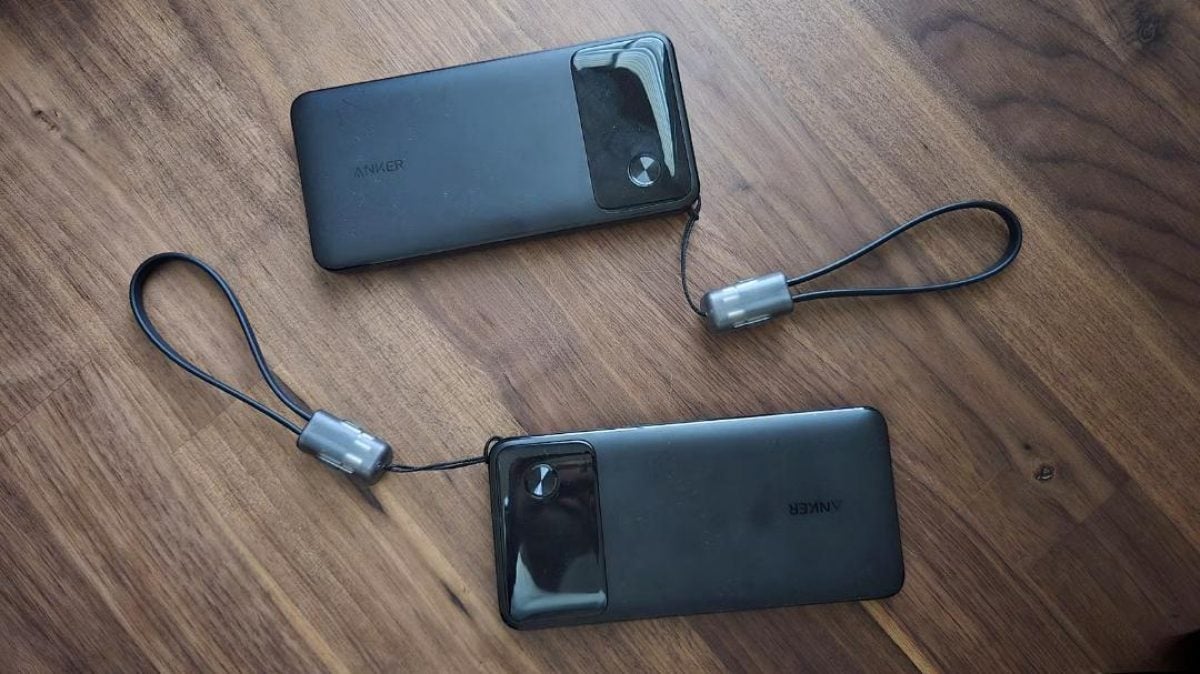
Air passengers taking portable power banks on long flights must comply with strict battery capacity thresholds and luggage placement rules, tech outlet HowToGeek reported.
While portable chargers are essential for keeping devices powered during multi-hour journeys, aviation regulations restrict the capacity of lithium-ion batteries allowed on passenger aircraft and require prior airline approval for certain high-capacity models.
Understanding Watt-Hour Limits and Battery Capacities
The primary metric governing airline battery regulations is capacity measured in watt-hours (Wh). If a power bank only displays its rating in milliamp-hours (mAh), passengers can convert the figure into watt-hours by factoring in the battery operating voltage.
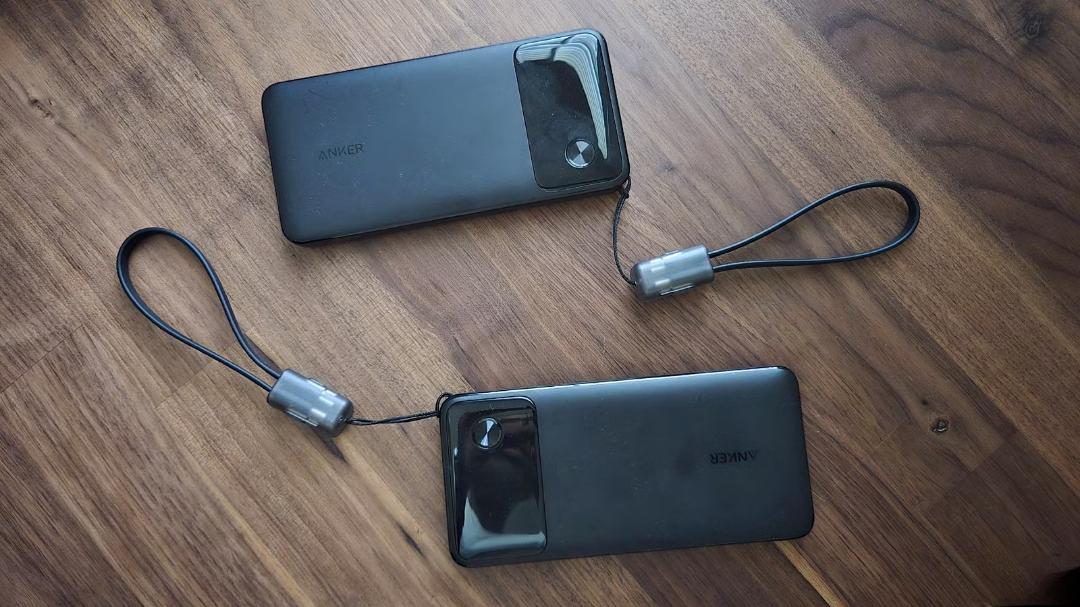
Under international aviation rules, lithium-ion power banks with a capacity of up to 100 Wh are permitted on flights without requiring any prior authorization from the airline. For a standard lithium-ion cell operating at a nominal voltage of approximately 3.7 volts, this limit translates to roughly 27,000 mAh, which yields approximately 99.9 Wh and remains formally below the regulatory threshold.
In everyday use, most compact portable batteries carry ratings between 10,000 mAh and 20,000 mAh, making them fully compliant. Larger battery units are available on the consumer market, but their physical size and weight make them considerably less convenient for routine travel.
Watt-hours measure total electrical energy capacity over time, whereas milliamp-hours measure electric charge. Lithium-ion technology is standard across mobile devices due to its light weight and high energy storage, but regulators monitor its transport closely because damaged cells can overheat and spark fires.
Approval Requirements for High-Capacity Batteries
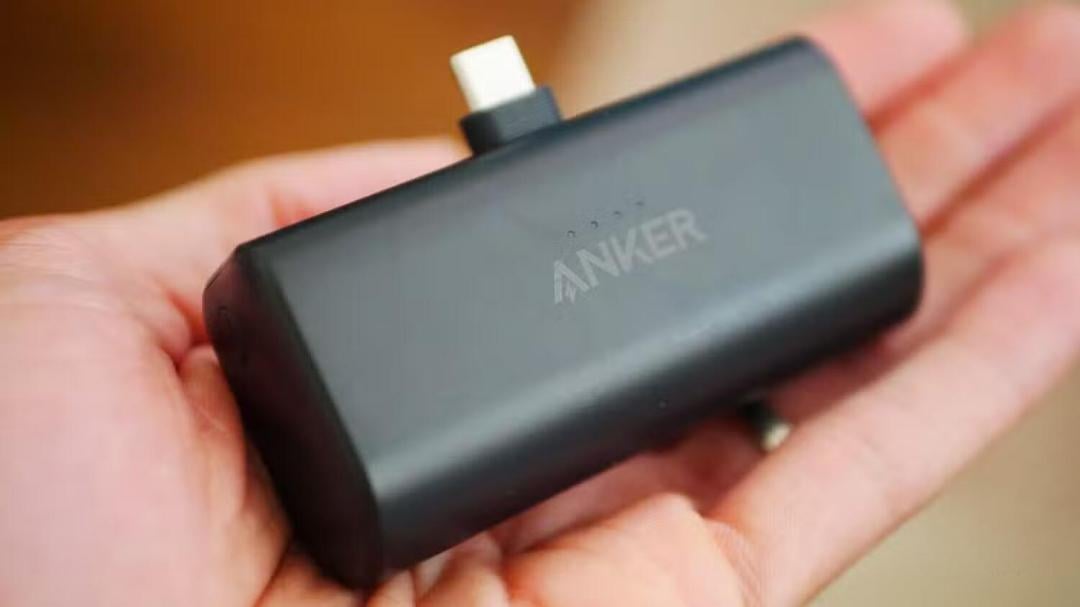
Transporting power banks rated between 101 Wh and 160 Wh involves stricter requirements, as passengers must secure approval from their airline before bringing them on board. For standard 3.7-volt lithium-ion cells, this range corresponds to approximately 30,000 mAh to 43,000 mAh.
Batteries in this bracket are substantially larger than standard consumer power banks and are typically used to power professional video equipment and heavy-duty electronics. Even when an airline grants permission to carry a battery of this size, additional limitations apply under Federal Aviation Administration (FAA) rules, which restrict each passenger to a maximum of two units in this capacity class.
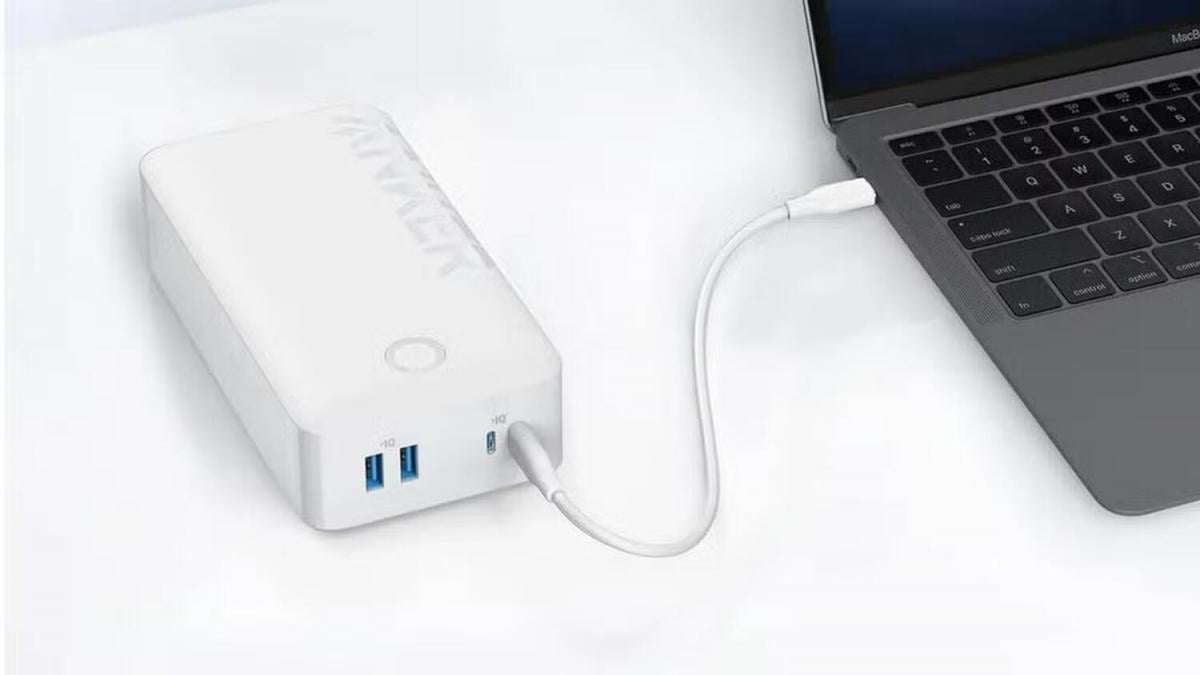
Any battery exceeding 160 Wh is completely banned from passenger aircraft. Devices exceeding this threshold are categorized as portable power stations rather than standard personal power banks. Shipping these high-capacity units to another location requires ground transport services operating under strict hazardous materials regulations, a process that is less convenient and requires more time.
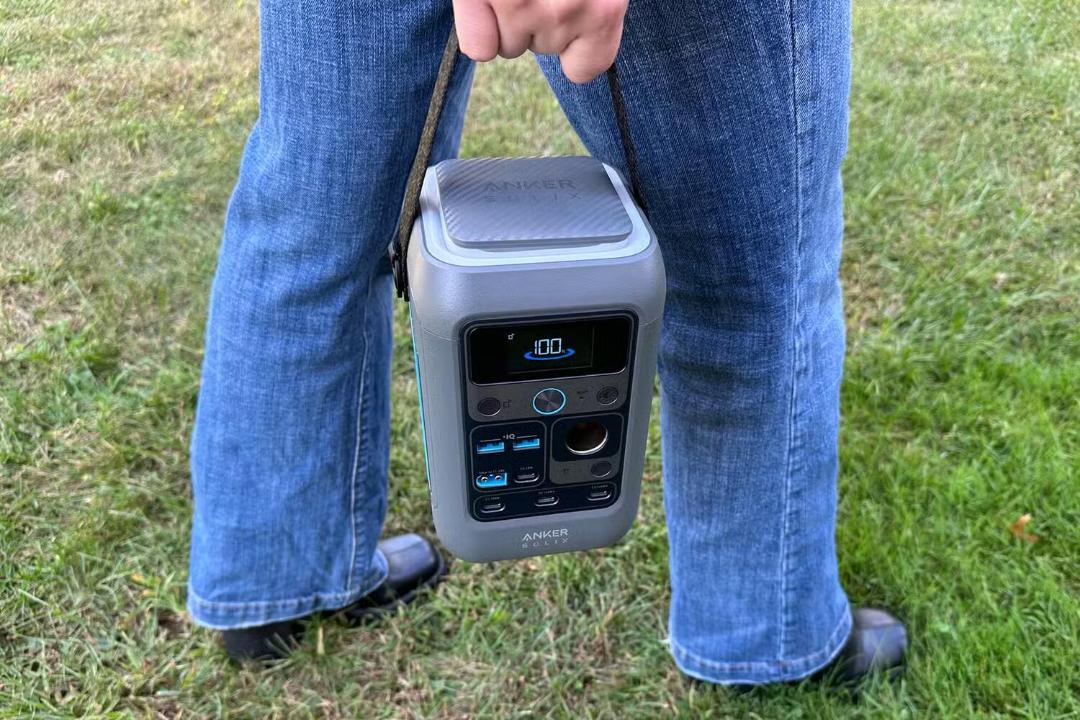
Strict Carry-On Requirements and Hardware Recommendations
Aviation safety rules also strictly govern how power banks are packed. All lithium-ion power banks and removable spare batteries must be carried inside hand luggage in the passenger cabin and are strictly prohibited from checked baggage. This rule ensures that cabin crew members can respond immediately if a battery malfunction occurs during flight.
Testing conducted on top portable chargers in 2026 identified the five best power banks of the year, with experts advising buyers to evaluate charging speed and port availability alongside battery capacity. Experts also warned that consumers should no longer rely on power banks equipped with older Micro-USB ports in 2026, recommending upgrades to modern connection standards for reliable power delivery.


