


The Aiper Scuba V3 pool cleaning robot features artificial intelligence and green laser sensors designed to map underwater areas and remove pool debris efficiently. Tech reviewer Juan Scaliter tested the device for nearly a month, noting that the underwater robot operates autonomously without requiring manual intervention during its cleaning cycle.
Unlike traditional pool sweepers that travel blindly across pool floors, the Scuba V3 actively identifies leaves, sand, hair, algae, and obstacles. Aiper designed the robot to map pools precisely, preventing it from turning repeatedly in one location and wasting battery power.
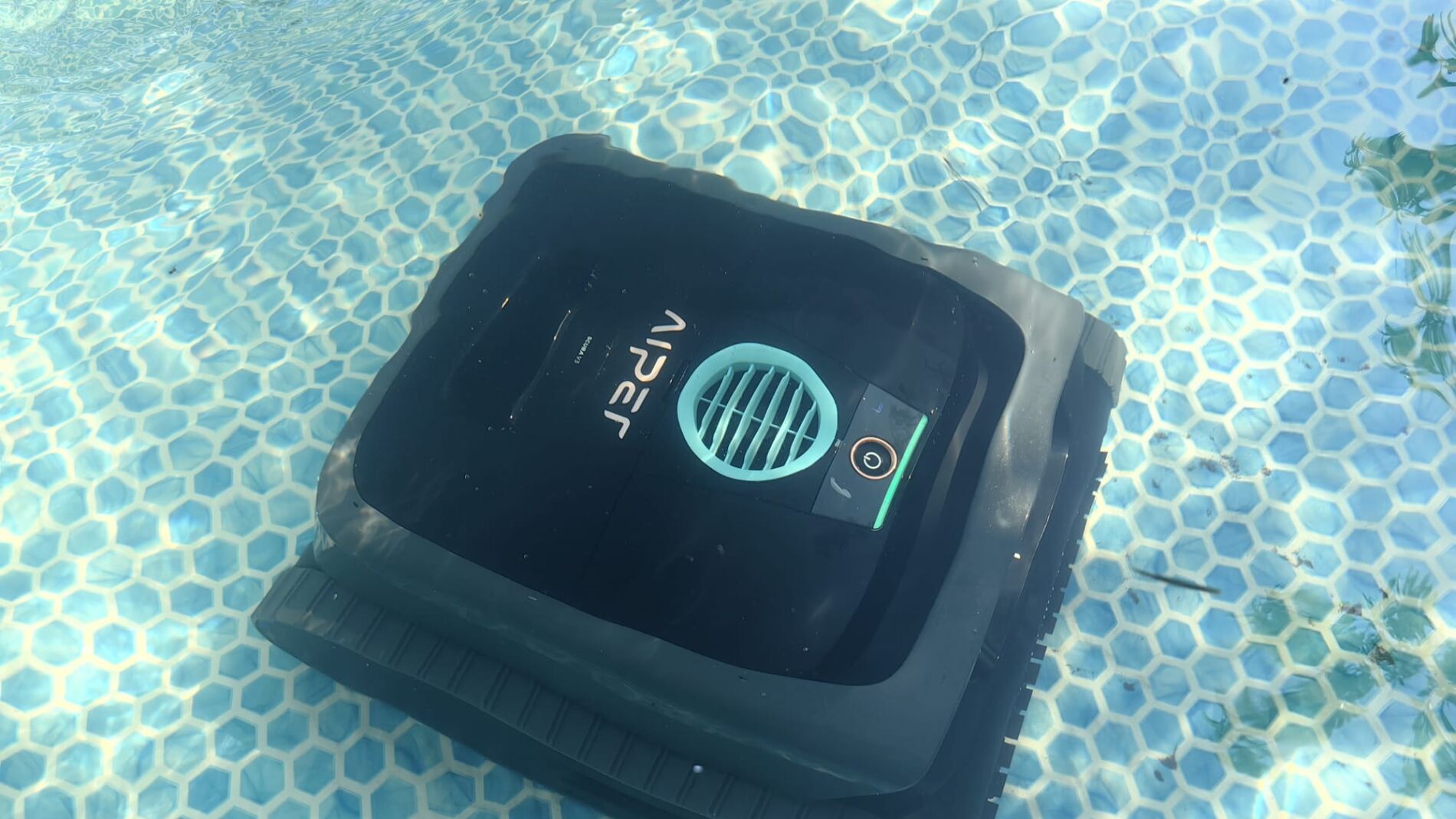
Underwater laser navigation
The robot calculates distances using direct time-of-flight technology, which measures how long a laser light pulse takes to travel to an object and return to the sensor. A camera, sensors, and artificial intelligence algorithms work together to evaluate surroundings and modify travel paths.
To overcome optical challenges under water, Aiper replaced standard red lasers with a green laser module. The onboard microprocessor is programmed with the refractive index of water, applying speed compensation algorithms to account for light traveling slower underwater and ensure accurate measurements.
VisionPath and waste detection
Aiper named its route planning system VisionPath, combining sensor measurements with camera inputs to build a detailed picture of the pool environment. The camera does not stream live underwater video to the companion mobile application, but it actively identifies submerged objects.
The artificial intelligence system is trained to recognize more than 20 types of waste, distinguishing dirt and organic matter from structural pool obstacles. Instead of following a fixed circuit, the robot actively searches for debris across pool surfaces.
Mobile application and cleaning modes
Mobile app data remains minimal while the robot is underwater because wireless signals cannot travel through water. The app displays only an operational status indicator, omitting live battery levels or surface coverage percentages while the device works.
The Scuba V3 includes an AI Patrol Cleaning mode that independently hunts for debris. A second program, Cognitive AI Navium, builds custom cleaning plans based on pool size, weather forecasts, and historical cleaning records, allowing users to schedule specific execution times, routine lengths, and targets across pool floors, walls, or waterlines.
Track movement and water drainage
Rubber caterpillar tracks allow the robot to move across pool floors and climb vertical side walls during active routines.
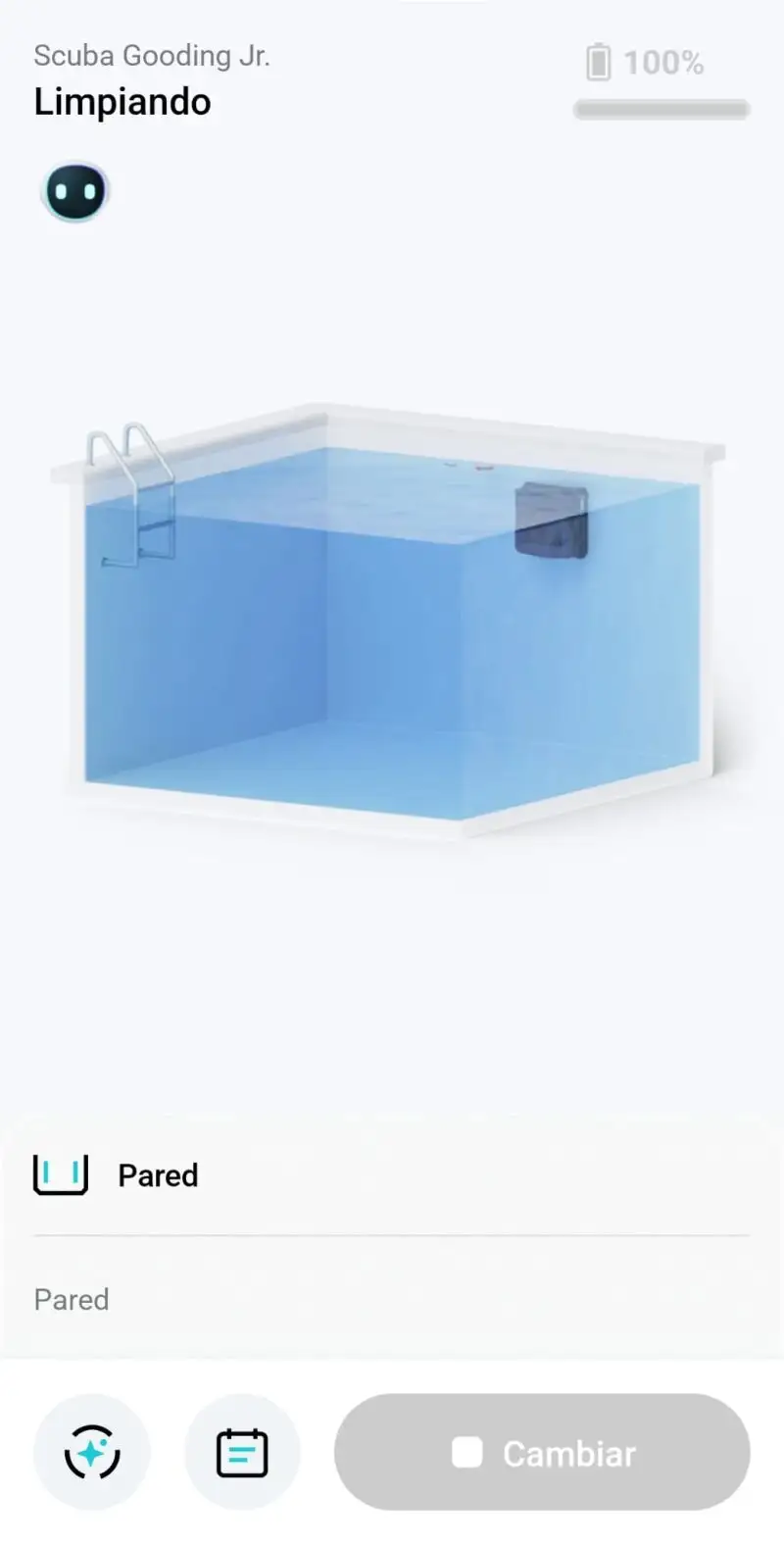
The robot does not drive itself back to a charging station after completing its work. When a routine finishes, the device moves to the waterline, sends a mobile notification, and automatically drains internal water from its body to reduce weight before manual removal.
Battery capacity and night cleaning
The internal battery provides nearly three hours of operation depending on the active cleaning program, requiring five hours to recharge fully to 100 percent. Scaliter recommended setting routines by sectors, cleaning pool floors first and walls second, to maximize battery performance.
Two LED lights mounted alongside the vision system illuminate pool paths, allowing the camera to locate waste at night or in low-light conditions. Aiper designed the Scuba V3 for pools holding at least 7,000 liters, and the unit operates across most standard pool surfaces, including many removable above-ground pools.


