

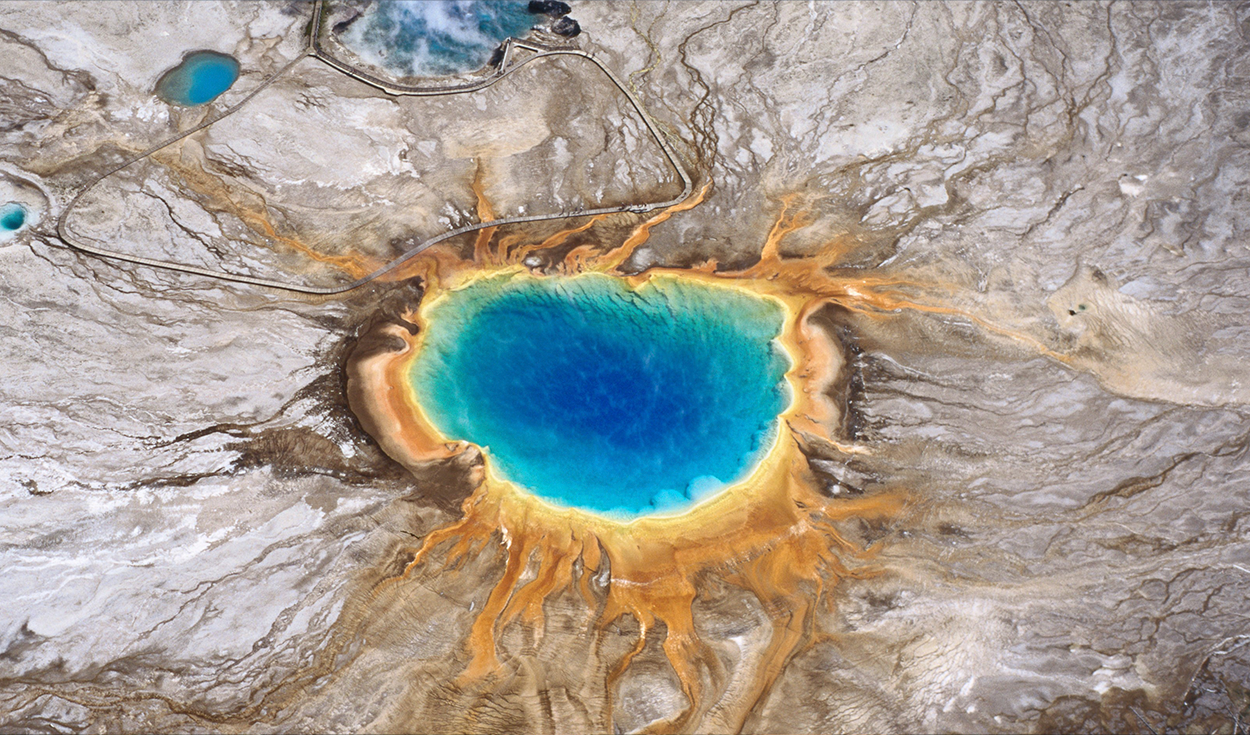
Scientists have used artificial intelligence to detect more than 86,000 earthquakes hidden beneath the Yellowstone supervolcano, far more than the roughly 8,600 events recorded there over 15 years of conventional monitoring.
The research, published in Science Advances, was carried out by scientists from the Universidad de Santander in Colombia and the United States Geological Survey. They analyzed seismic activity recorded between 2008 and 2022 and found hidden seismic swarms along young, irregular geological faults beneath the Yellowstone caldera.
Bing Li, a professor of engineering at Western University, said the team now has a much more robust seismic catalog beneath the Yellowstone caldera. The expanded database is expected to help experts improve predictions and management strategies for potential volcanic hazards.
86,276 earthquakes identified
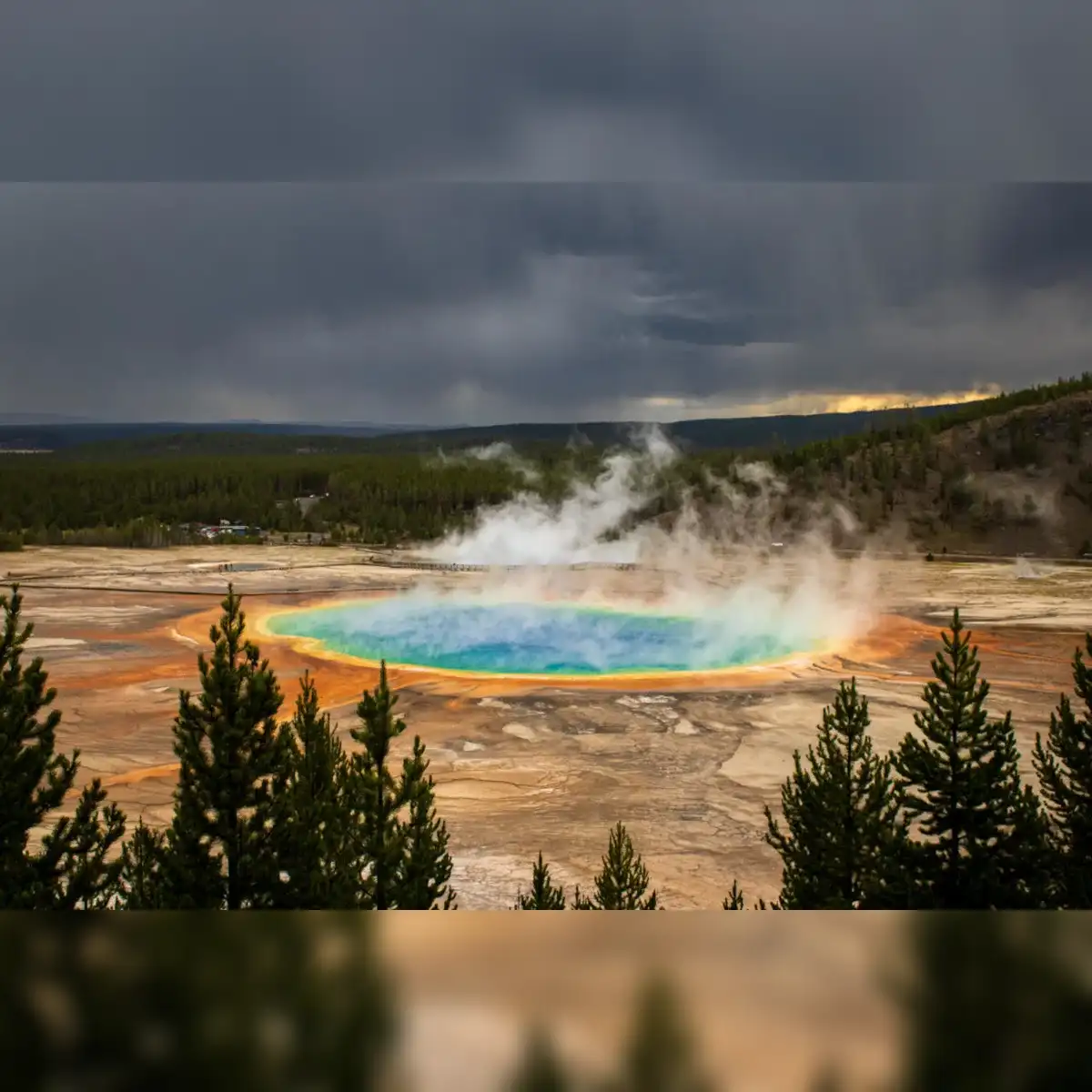
Yellowstone, located in Wyoming, sits atop a large caldera formed by the collapse of the ground following past eruptions. Historical records had counted just over 8,600 seismic events across 15 years. Machine learning applied to the same period identified exactly 86,276 earthquakes, revealing swarms that had previously gone undetected.
According to the study, more than 50% of these quakes occurred in swarms, groups of small, connected tremors concentrated in limited areas over short periods. Unlike conventional aftershocks, these events tend to spread along immature, rougher and more irregular faults, in contrast to the mature faults that dominate outside the caldera or in California.
Detecting molten material
The discovery relied on machine learning models that reanalyzed historical seismic waves, a process experts previously had to carry out manually, a slow and limited method. With artificial intelligence, machines processed large volumes of data and detected events imperceptible to the human eye.
The study found that these seismic swarms are linked to complex underground fluid movements, mixtures of hot water and high-pressure liquid eruptions. The machines allowed researchers to visualize the seismic activity as fractals, geometric patterns that repeat at different scales, similar to tree branches or irregular coastlines.
According to the researchers, this fractal approach combined with machine learning allows precise characterization of the roughness of active faults beneath Yellowstone. Li said that doing this manually would be impossible, since it simply is not scalable.


